LSU Research Discovers New Option For cleaning Spray Tanks
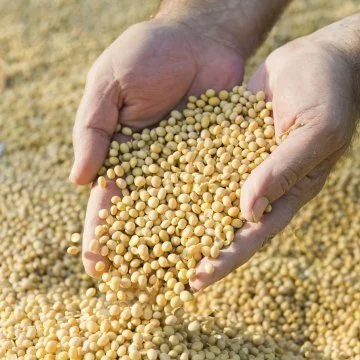
Herbicide-tolerant soybeans expand weed control options to include dicamba, 2,4-D and more. Yet many soybean varieties are still sensitive to herbicides that other varieties have been bred to tolerate. That means herbicide residue left in spray tanks and booms from a previous application can damage crops much like herbicide drift.
A new potential cleaning solution may be available from an unlikely source.
“While researching medicinal plants, I discovered natural ingredients that can solubilize a wide range of substances, or force oil and water to mix,” says Zhijun Liu, professor in the School of Renewable Natural Resources at Louisiana State University.
Read More
LA Master Farmer Program Recognizes Graduates, Award Winner
The Louisiana Master Farmer Program recognized three new graduates, two people who have completed recertification and the winner of the Outstanding Master Farmer Award at a ceremony Jan. 12.
The event was held in Baton Rouge in conjunction with the Louisiana Association of Conservation Districts annual meeting.
Read More
LSU AgCenter Livestock Show Set For February 11-18
Louisiana youth from Ruston to Raceland and everywhere in between will gather in February for the 88th annual LSU AgCenter Livestock Show at the Lamar-Dixon Expo Center in Gonzales.
AgCenter officials expect more than 2,000 4-H and FFA exhibitors to bring thousands of animals for competition during the week of Feb. 11 to 18.
Read More
Christmas Freeze Puts Damper On Record Sugarcane Season
In his 33 years of farming sugarcane, Ricky Gonsoulin had never had as good of a crop as the one he saw growing in his fields in 2022. And in 33 years, he had never lost so much as a stalk of sugarcane to a freeze.
But that unlikely scenario came to pass in late December when an arctic blast sent temperatures below freezing for three days across Louisiana.
Read More
LA Governor To Address Mid-South Agriculture Conference
Gov. John Bel Edwards will give the keynote address as he joins 20 researchers, five farmers and six certified crop advisors, all from Louisiana, who will speak at the upcoming Conservation Systems Conferences on Jan. 31 and Feb. 1 at the Crowne Plaza hotel conference center in Baton Rouge.
Read More
Borlaug Fellow Presents Findings On Philippine Corn Production
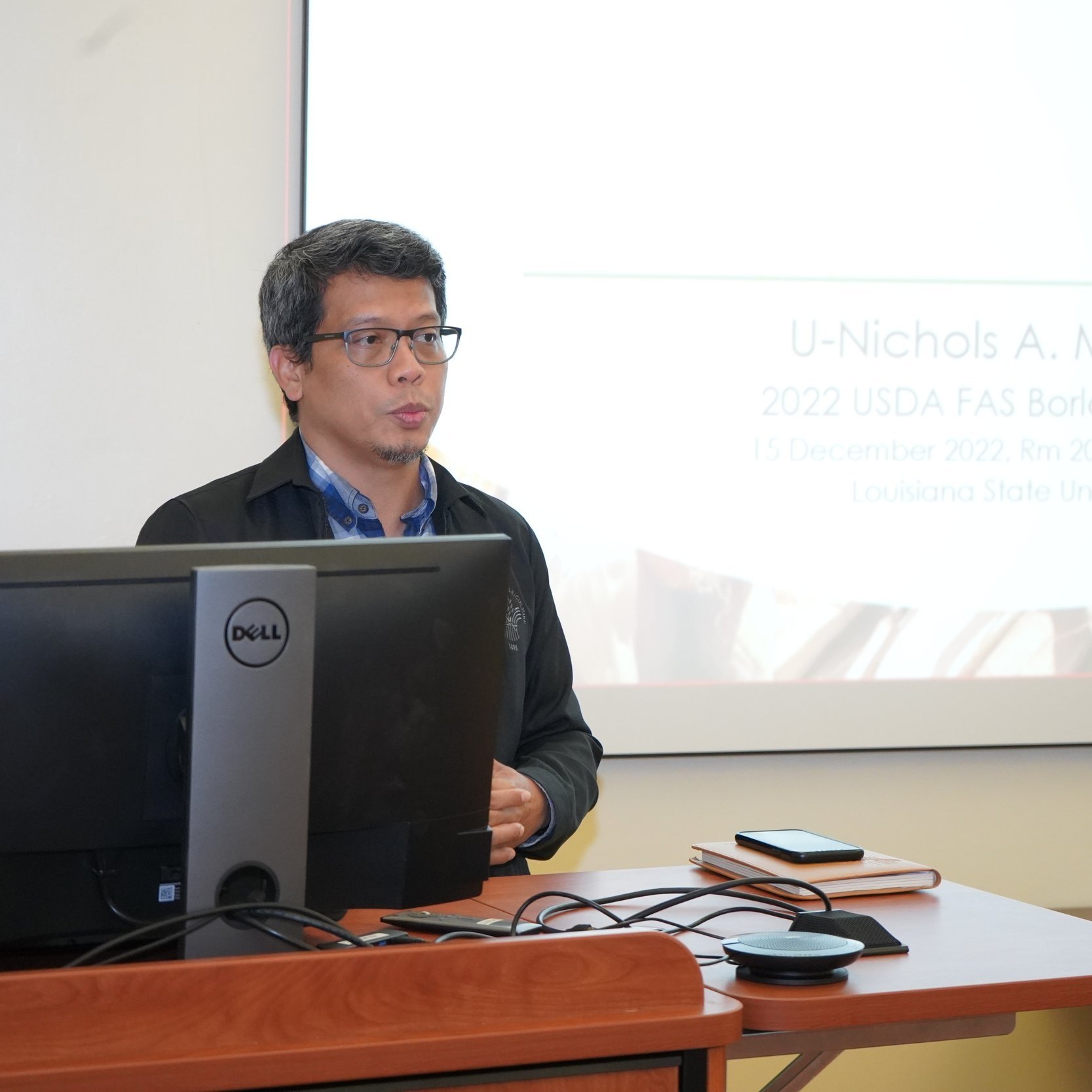
U-Nichols Manalo, director of the National Corn Program of the Philippine Department of Agriculture, recently gave a presentation detailing his research during his time at LSU working with LSU AgCenter economist Naveen Adusumilli.
Read More
This Idea Formed from a Thesis Project at LSU. Now It's a Full-Fledged Farmers Market.
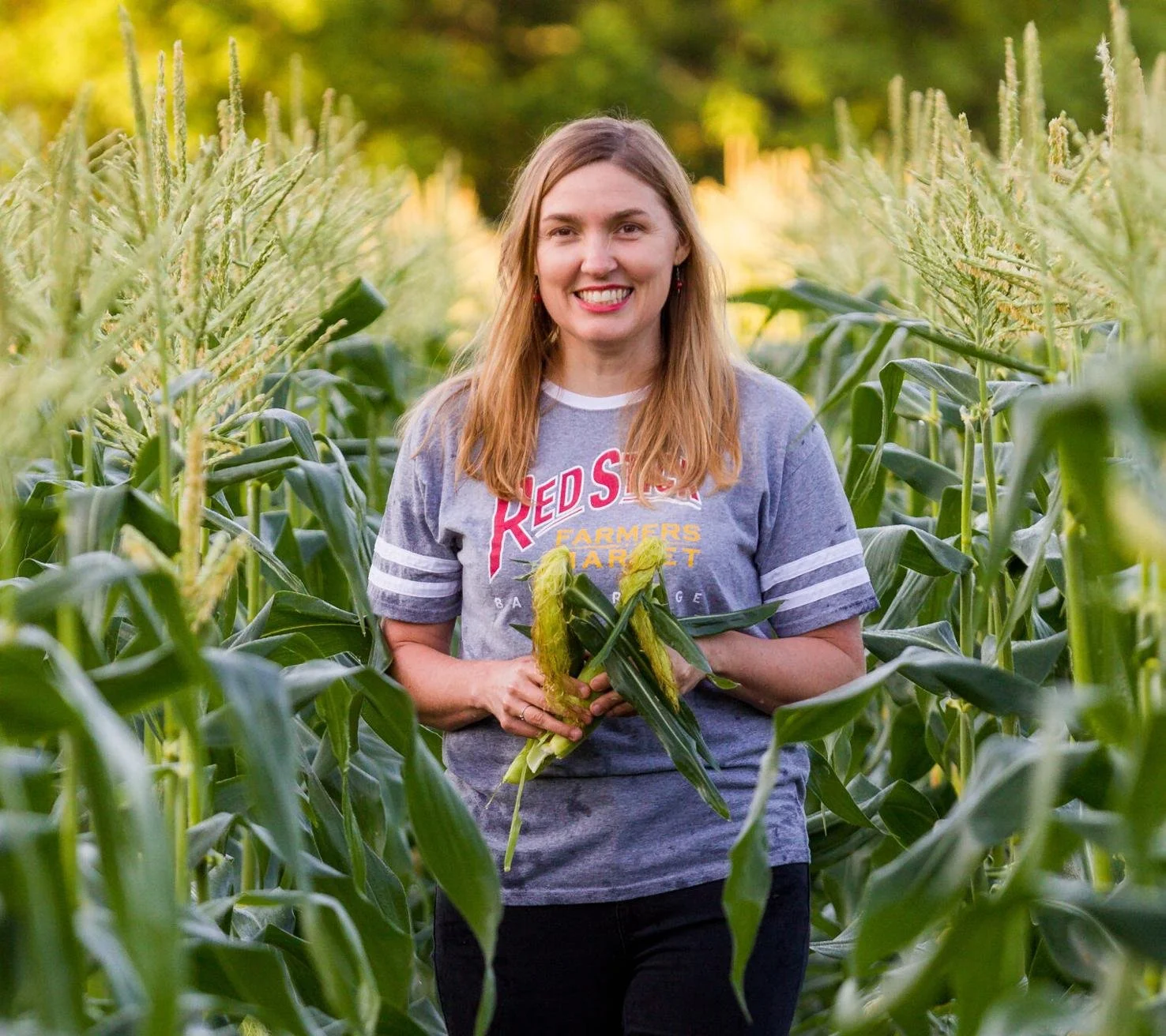
In her role as the executive director of Big River Economic and Agricultural Development Alliance, Darlene Adams Rowland oversees four locations of the Red Stick Farmers Market in Baton Rouge. Her background includes experience in marketing, fundraising, market management, farmer development, technical assistance and oversight of BREADA’s nutrition outreach programs.
Read More
Emerging Disease Issues In Cotton
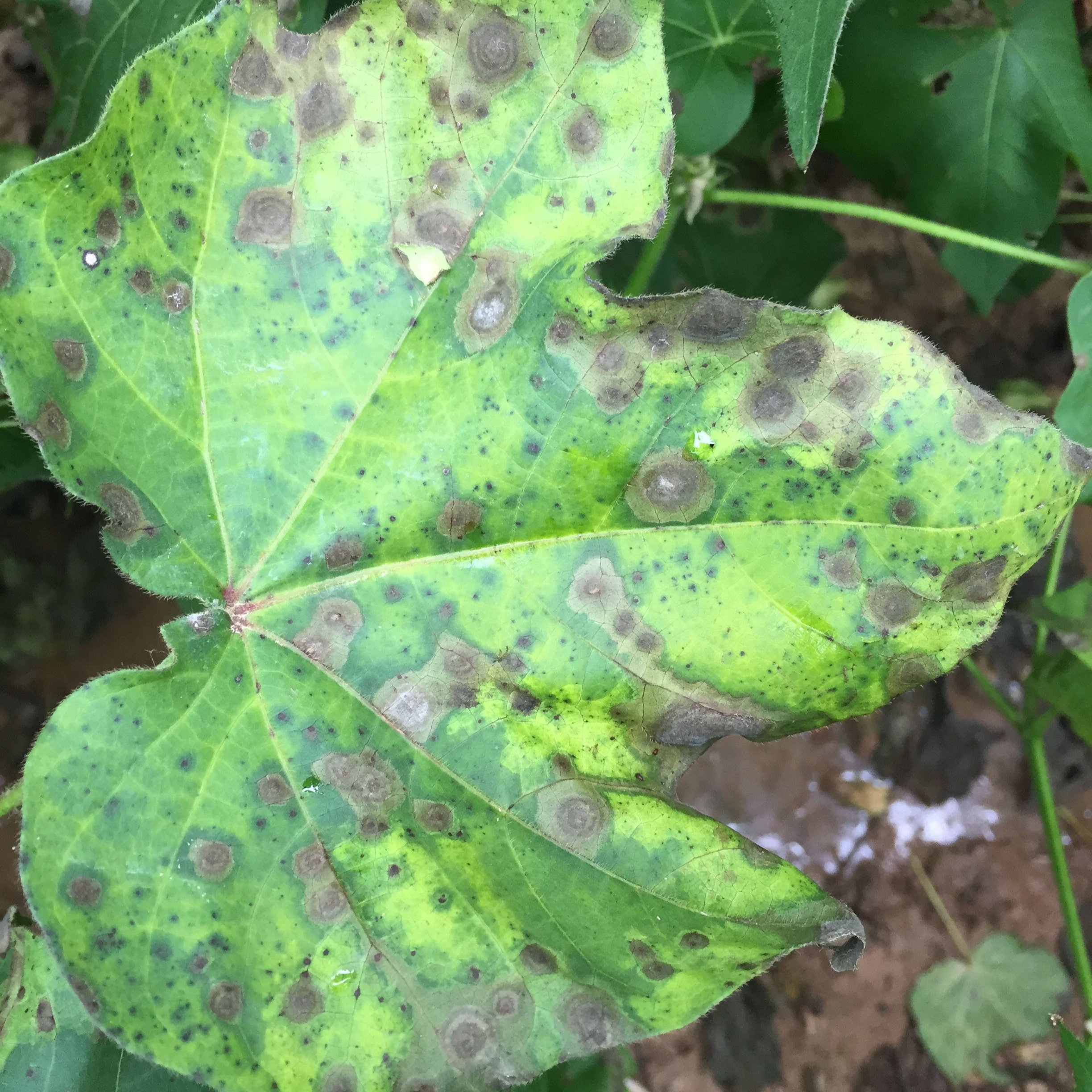
The cotton leafroll dwarf virus causes yellowing and distortion of leaves (Figure 1) and is believed to be vectored by the cotton aphid (Aphis gossypii) during feeding (Figure 2). A litany of other symptoms has been attributed to the virus including missing fruit and bolls, over-tall plants, reddening of veins, dwarfed plants and leaf cupping. In some situations in the southeast United States, significant yield losses have been attributed to the virus.
Read More
LSU Extension Program Improves Reproductive Efficiency In Beef Herds
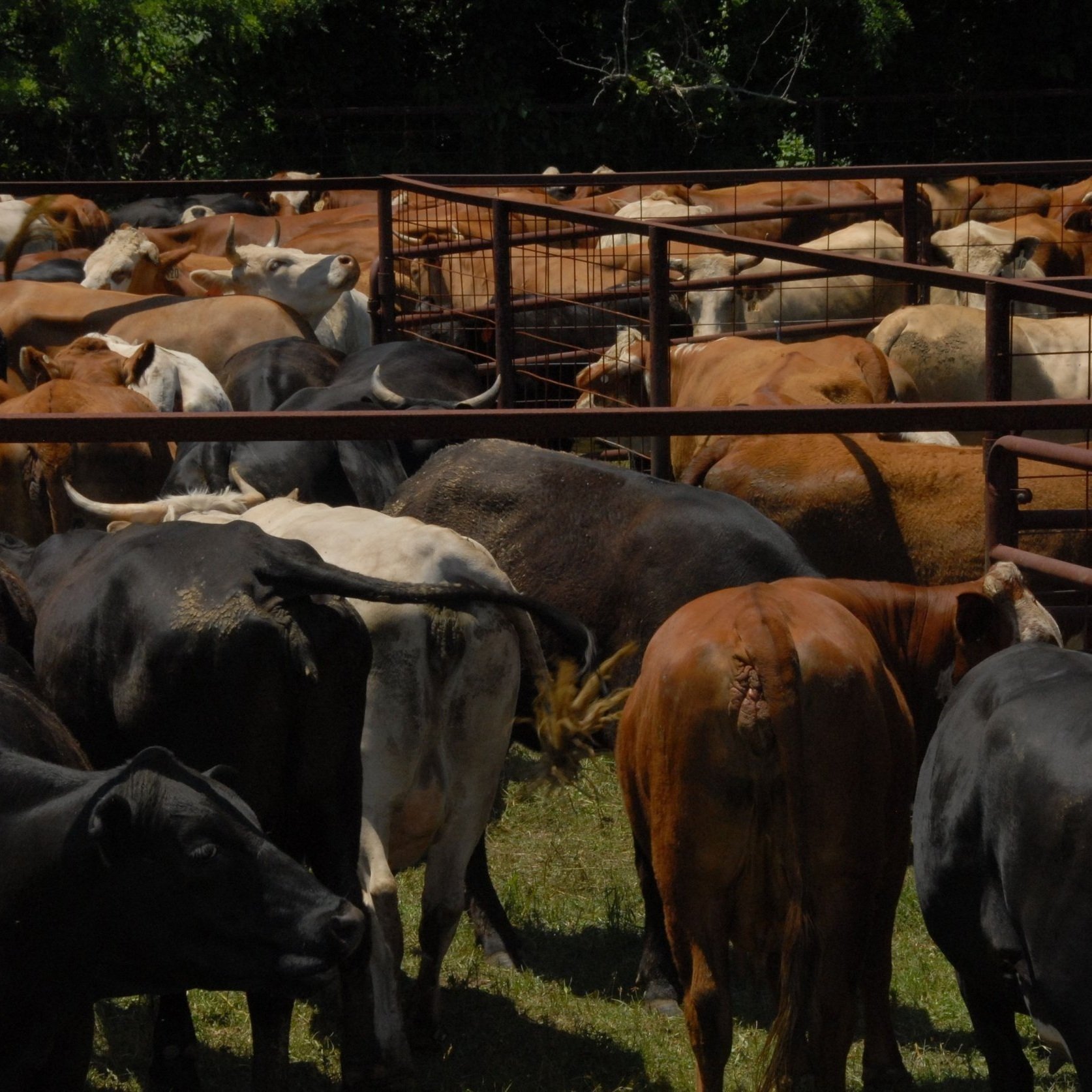
For many beef cattle producers, evaluating breeding soundness of their herd bulls is often an overlooked practice. Selection of bulls based on genetic potential is one of the most progressive ways to improve the beef herd. However, bulls that do not properly settle cows contribute to reproductive inefficiency and lost income — no matter how genetically superior they may be. Performing an annual bull breeding soundness exam (BBSE) on every bull in the herd is the only way producers can predict with relative certainty that their bulls can adequately service the cow herd during the breeding season.
Read More
Agricultural Policy and Market Situation Newsletter, January 2023
The House recently approved and sent to President Biden's desk a $1.7 trillion year-end spending bill that includes $3.7 billion in farm disaster aid, resolving some key unfinished business for agriculture, including measures to help producers take advantage of carbon markets.
Read More
Experienced Producers Learn From Master Cattleman Course
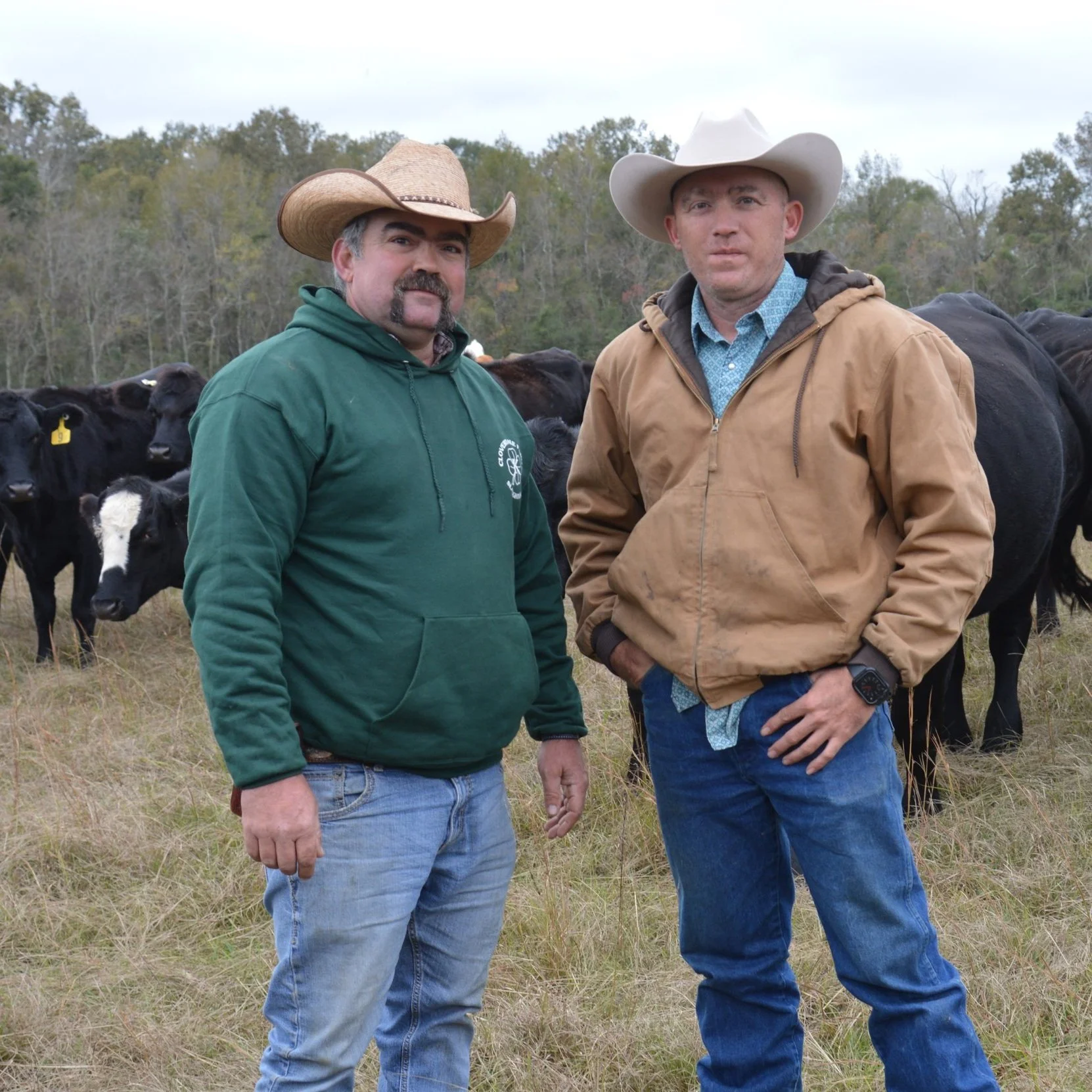
For cousins Adam and Jonathan Knight, the cattle business is a part of their heritage.
Their family once ran a dairy farm on hundreds of acres that straddled East Baton Rouge and East Feliciana parishes, and they grew up around beef cattle. Now the Knights both run small cattle operations on those pastures and on leased land adjacent to them.
Read More
LSU AgCenter Releases Projected 2023 Crop Costs
The 2023 Projected Costs and Returns (crop enterprise budgets) have been posted to the LSU AgCenter website. To access the enterprise budgets, please click on the desired “Crops” tab followed by the “Budget” icon. T
Read More
Lethal Bait May Lead To Solution Of Louisiana's Feral Hog Problem
In every parish of Louisiana, groups of feral pigs roam the countryside.
The packs of pigs, called sounders, are extraordinarily destructive. They devour crops, dig up trees and eat food that other animals depend upon for survival.
“They’re omnivores,” said Dr. Jim LaCour, state wildlife veterinarian with the Louisiana Department of Wildlife and Fisheries. “They’ll eat anything with a calorie.”
Read More
Proactive Research To Mitigate Mexican Rice Borer Impact
The invasive Mexican rice borer (Eoreuma loftini) has become increasingly problematic in Louisiana in recent years and threatens both rice and sugarcane, the two most important crops in the southern part of the state. Adult moths lay eggs on grasses and larvae feed internally within stems hindering plant growth and damaging crop yields.
Read More
Mitigating The Impact Of Invasive Apple Snails In Rice & Crawfish Production Systems
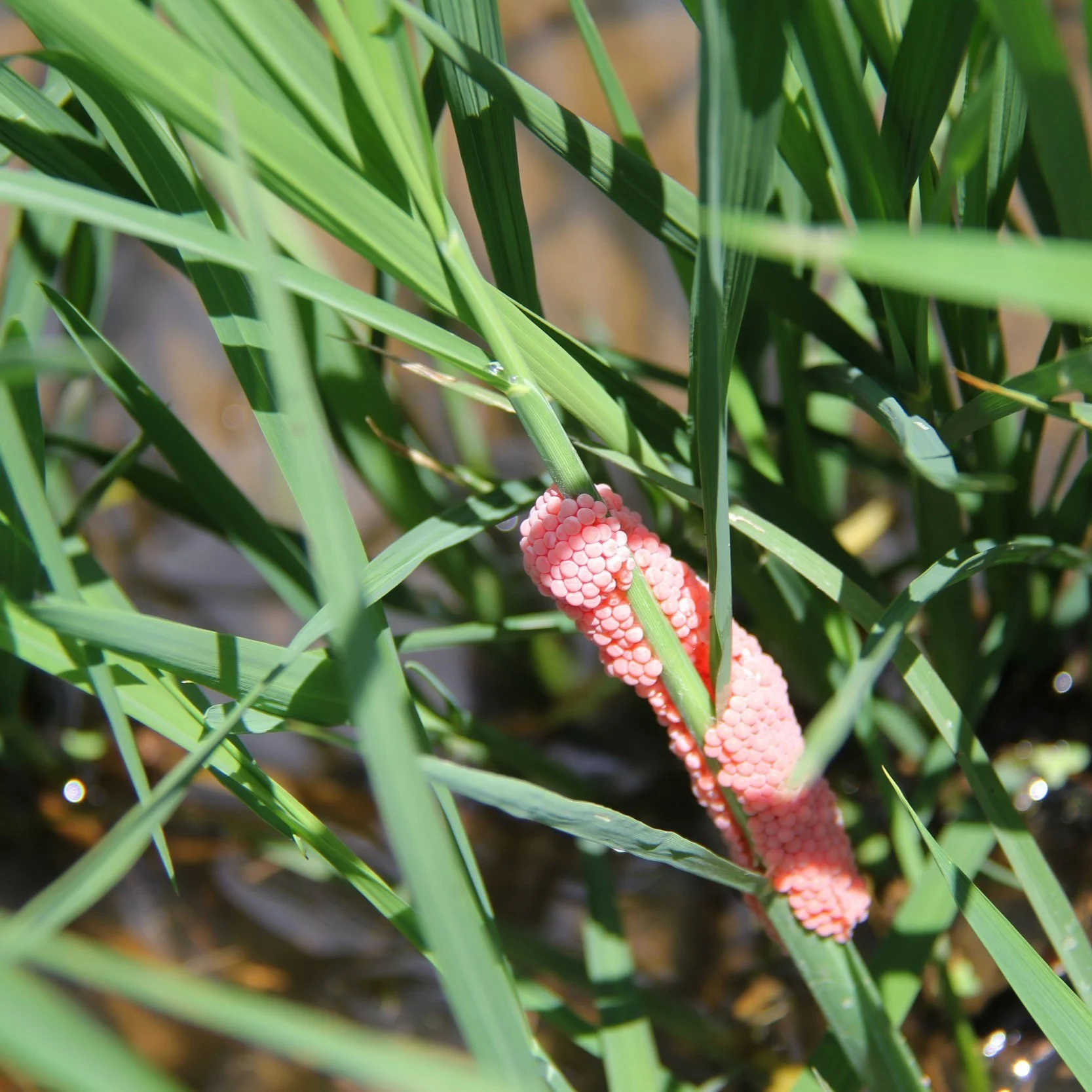
The apple snail, Pomacea maculata, is a global invasive rice pest. Within the past decade, the apple snail has established itself in Louisiana but has only recently begun infesting rice farms in the southwestern region. Adult snails have large brown-green or gold shells and lay large pink egg masses. Their fast-reproductive rate and voracious appetite allow the snails to reach high population densities in natural bodies of water as well as in rice and crawfish ponds.
Read More