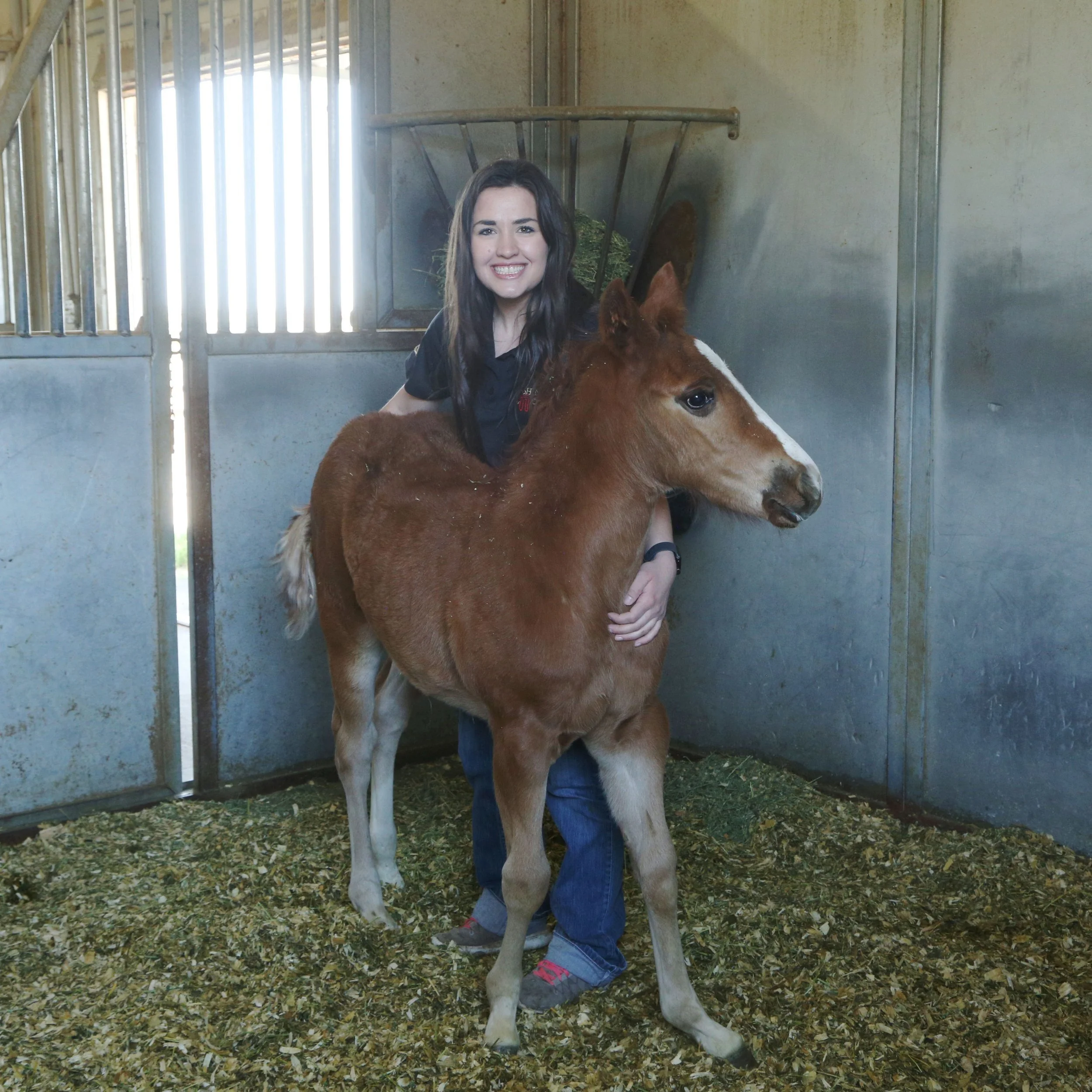
Research Milestone: Horses Treated To Ovulate Early Give Birth To Healthy Foals
For decades, LSU AgCenter researchers have sought to alter female horses’ reproductive cycles to help them become pregnant earlier and give birth at the beginning of the year to meet the needs of the competitive racing and show horse industry.
Read More
Open Source Devices To Help Protect The Genetic Resources Of Louisiana Fish & Shellfish
Oysters and fish represent the vibrant heritage of the Gulf Coast and a traditional way of life for the people of Louisiana. It is important to keep oyster and fish populations healthy and growing in the estuaries and along the Gulf Coast. The genetic resources of these fish and shellfish are what makes them suited for life here in Louisiana, and those genetic resources need to be protected.
Read More
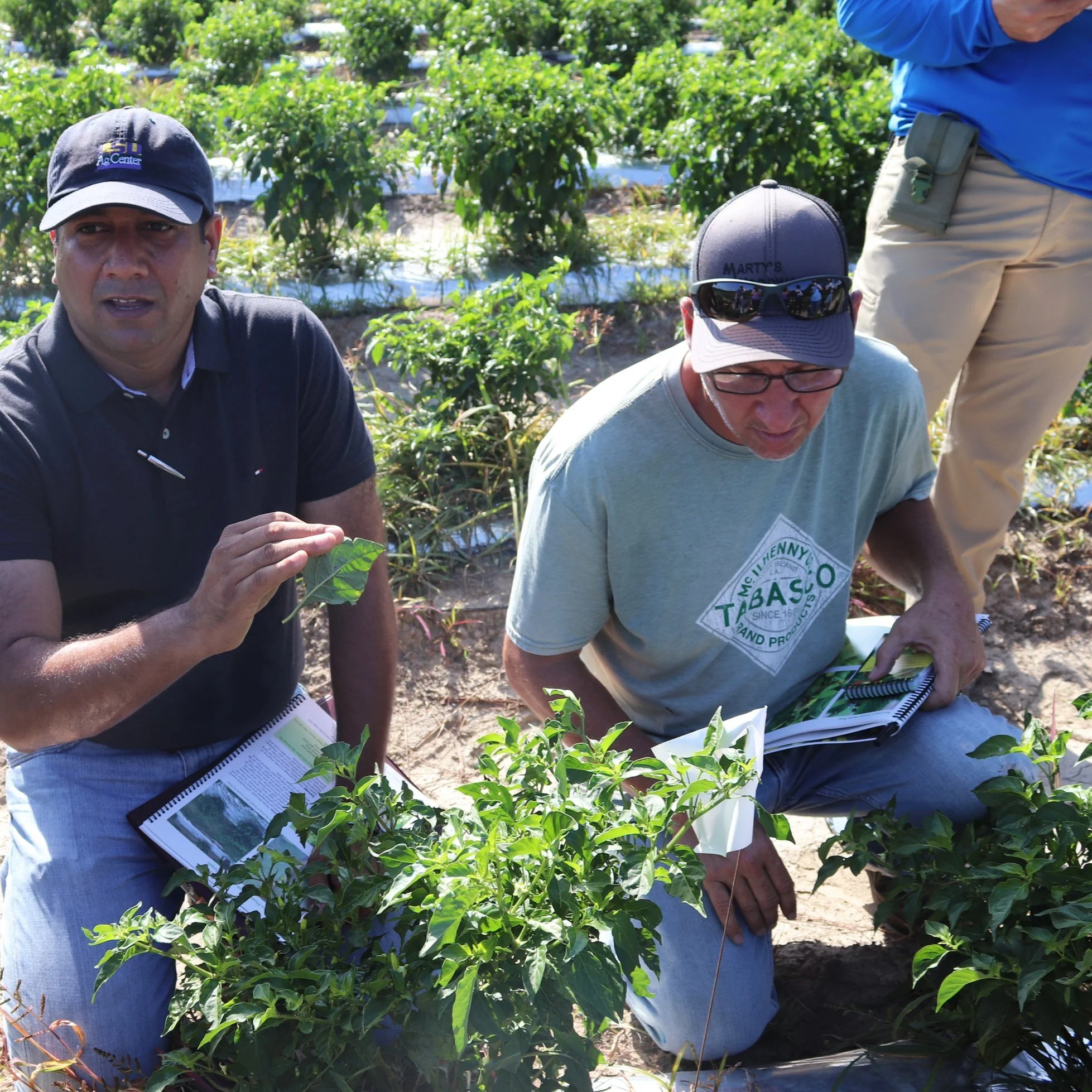
AgCenter Plant Diagnostic Center Marks 10 Years Of Solving Plant Health Problems
In the past 10 years, Raj Singh and his staff at the LSU AgCenter Plant Diagnostic Center have examined thousands of plant samples mailed to them by home gardeners and commercial growers in search of answers to their horticultural problems.
From fungal infections to insect pests to nutrient deficiencies, the Plant Diagnostic Center has seen it all.
Read More
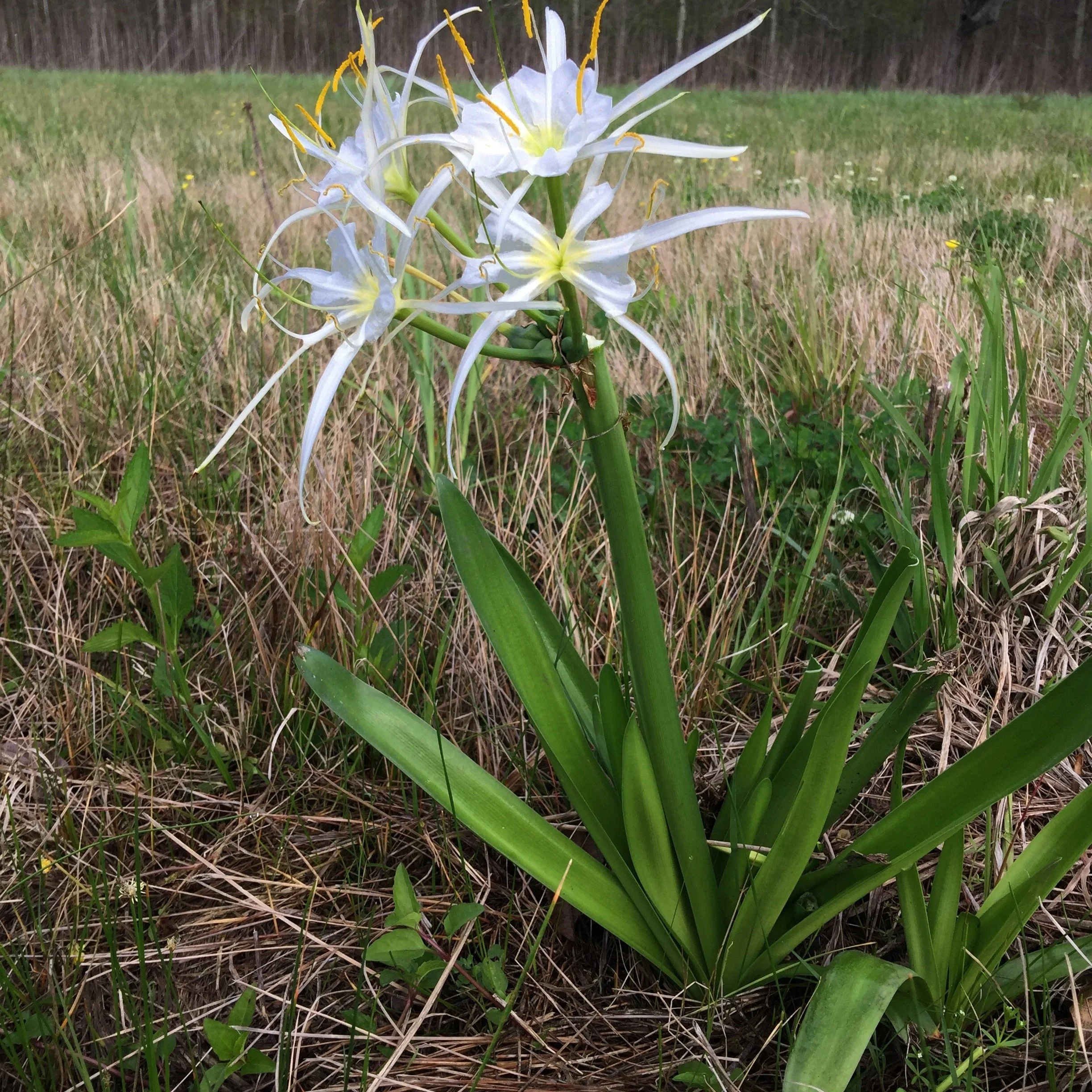
Improving Science And Management Of Louisiana's Forested Wetlands
Wetlands are a prominent part of Louisiana and managing them well is critical for the future. The School of Renewable Natural Resources has a leading role in supporting management of forested wetlands of the state through research, teaching and extension. Two recent events — establishment of the Forested Wetlands Observatory and the Louisiana Coastal Forest Workshop — promise to be landmarks in progress toward improving science and management in forested wetlands.
Read More
2021 Corn Official Hybrid Trial (OHT) Preliminary Results
2021 Corn Hybrid Trails For Louisiana growers.
Read More
On-Farm Research Identifies Options For Managing Fungicide-Resistant Aerial Blight Of Soybeans
In areas of Louisiana where rice and soybean rotations are common, aerial blight of soybean (Figure 1) is a major problem. The fungal pathogen Rhizoctonia solani also causes sheath blight of rice (Figure 2). Since the late 1990s, strobilurin fungicides, which are known as Qol fungicides, have been used extensively in rice and soybean production to combat many foliar diseases. During the 2010s, field failures using these materials to manage aerial blight and sheath blight began to occur, particularly in the southwest portion of the state where 70%-75% of Louisiana rice is produced.
Read More
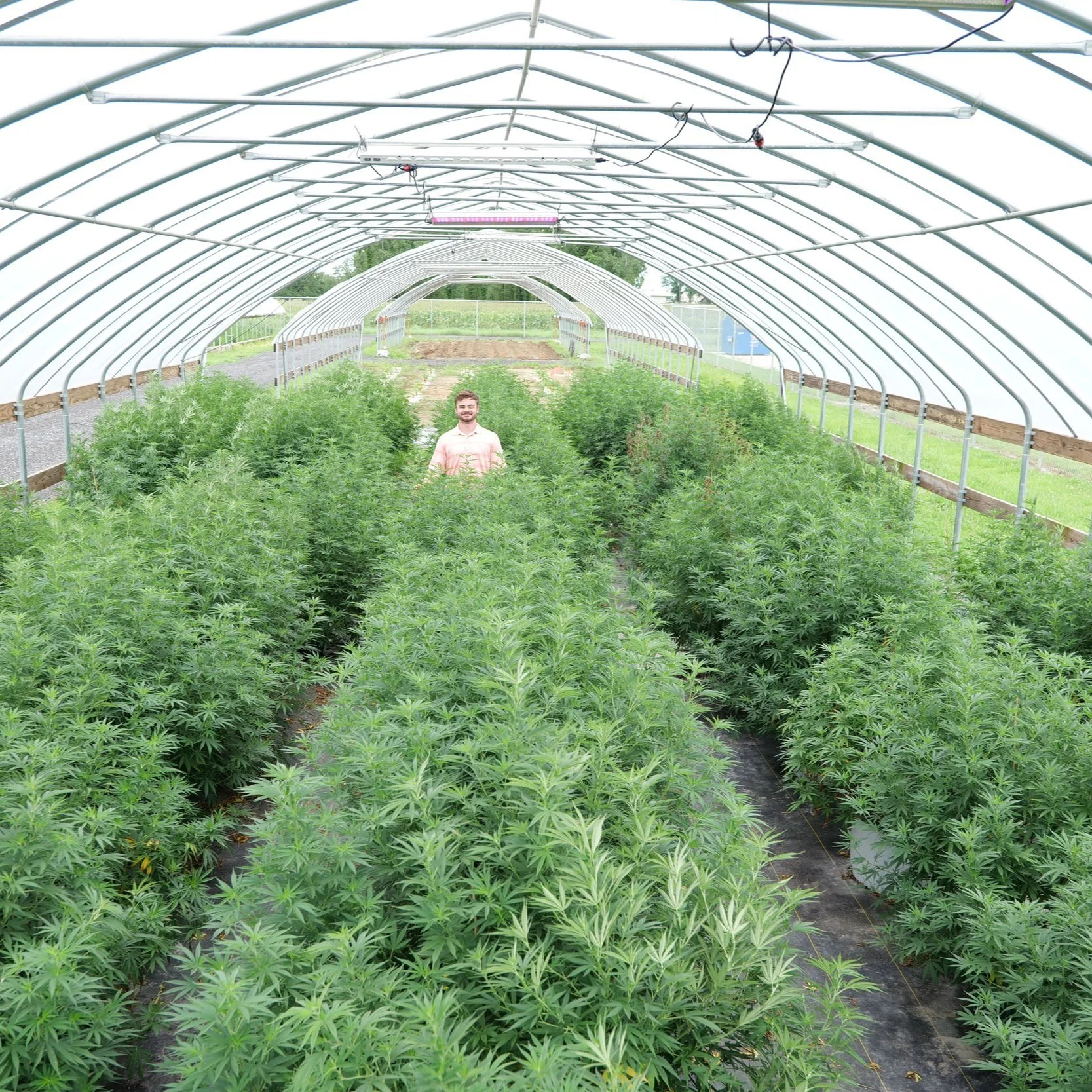
Budding Opportunities For Industrial Hemp In Louisiana
The 2018 Farm Bill cleared the way for the commercial production of hemp within the United States and, in so doing, established hemp as a row crop alternative with the potential to be economically lucrative for U.S. producers.
Within the provisions of the 2018 Farm Bill, each state that was interested in the cultivation of hemp had to submit an industrial hemp production plan to the U.S. Department of Agriculture for preliminary approval before any hemp-related activities could begin. Louisiana’s state industrial plan for the production of hemp was approved by the USDA in December of 2019.
Read More
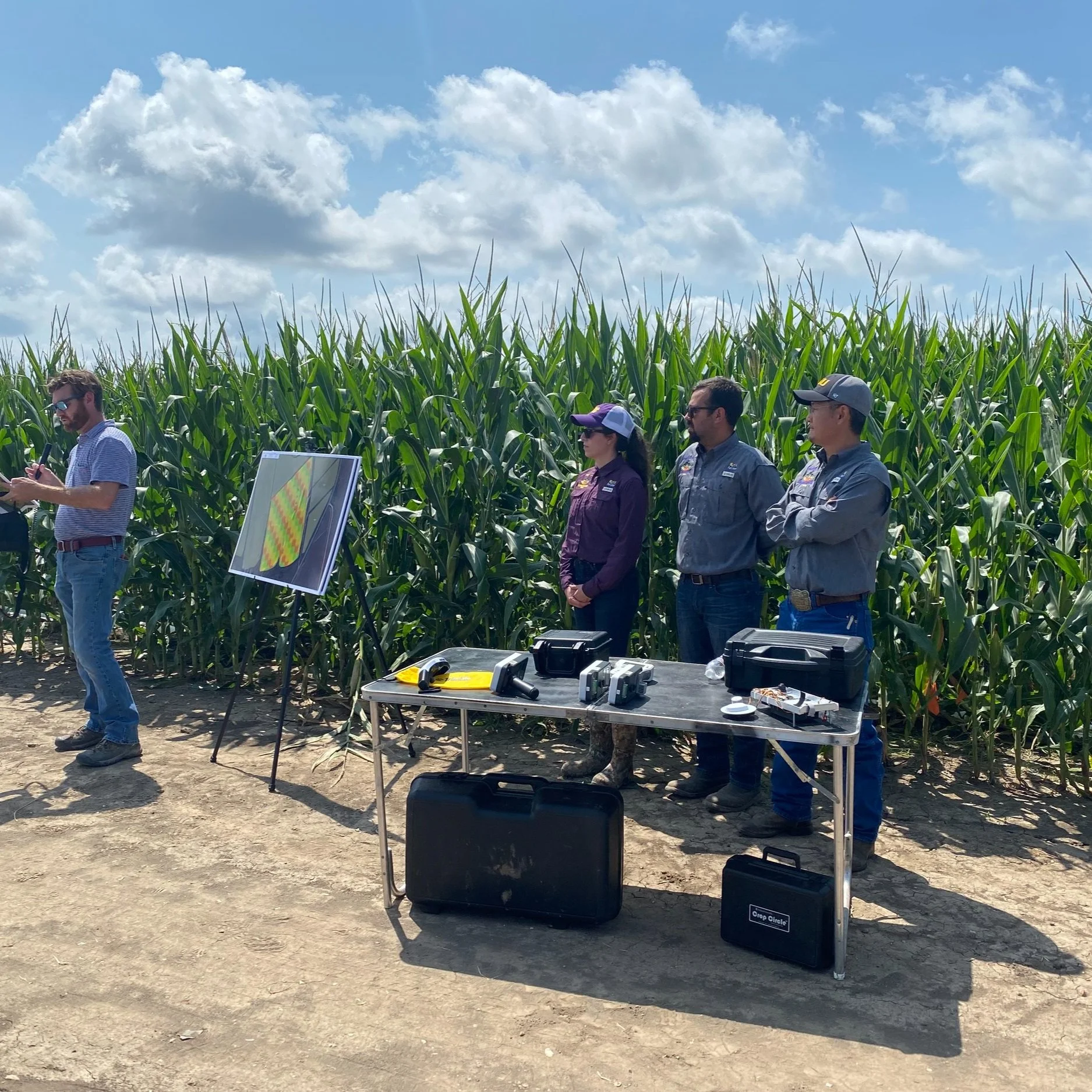
Grant-Funded Project Focuses On Conservation
Two model farms are demonstrating the benefits of using the best agricultural practices to address key issues in farming, a project resulting from a $1.4 million grant from the Patrick F. Taylor Foundation to the LSU AgCenter.
Scientists working on the grant are looking at grain crops, cotton and sugarcane, which represent 65% of the total acreage of agricultural production in Louisiana.
Through field days geared toward farmers from the region, the model farms will showcase the tools and practices that researchers have developed that can improve the economics and environmental outcomes of agricultural production.
Read More
Nomination Deadline For Louisiana Agriculture Hall Of Distinction Approaching
The Louisiana Agriculture Hall of Distinction is still accepting nominations through Dec. 3 for its induction ceremony, which will be held March 24, 2022, in Baton Rouge.
The nomination form can be found online at www.louisianaagriculturehallofdistinction.com or at any parish LSU AgCenter extension office.
The nomination form should include the nominee’s major contributions to Louisiana agriculture, any leadership roles, honors and awards received by the nominee, and significant civic and public service accomplishments performed by the nominee.
Read More
LSU AgCenter, College Of Agriculture Name Diversity Program Leader
The LSU AgCenter and College of Agriculture have named Monica Guient assistant vice president for diversity, inclusion and opportunity. Her start date is Feb. 1.
Guient has previously worked in roles overseeing diversity and academic programs at Binghamton University, which is part of the State University of New York system, and Xavier University of Louisiana.
Read More
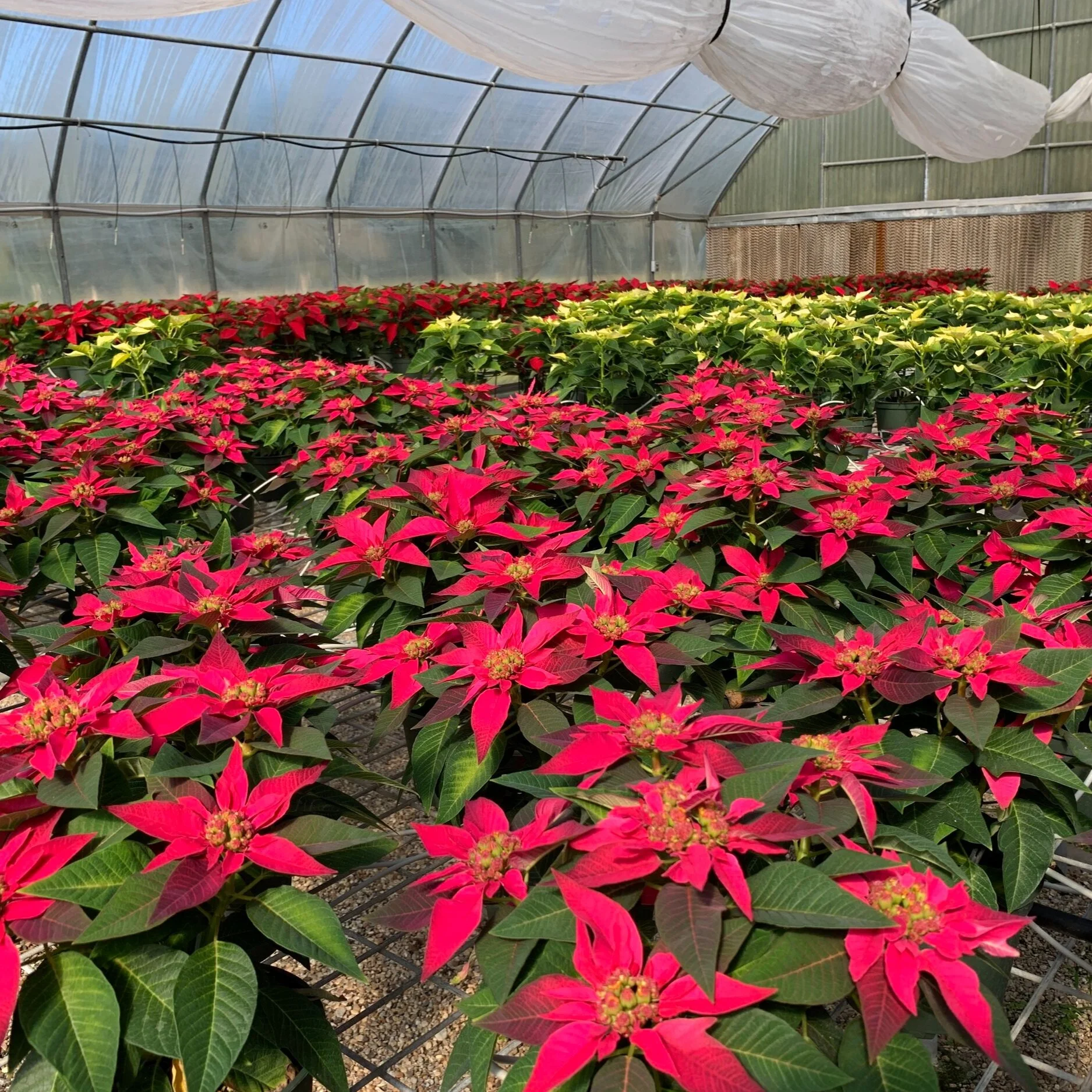
Enjoy Plants, Nature and History this Winter at Burden Museum & Gardens
From admiring beautiful flowers to getting your hands dirty in the woods to learning about historic art and lifeways, there’s something for everyone this winter at Burden Museum & Gardens.
Read More
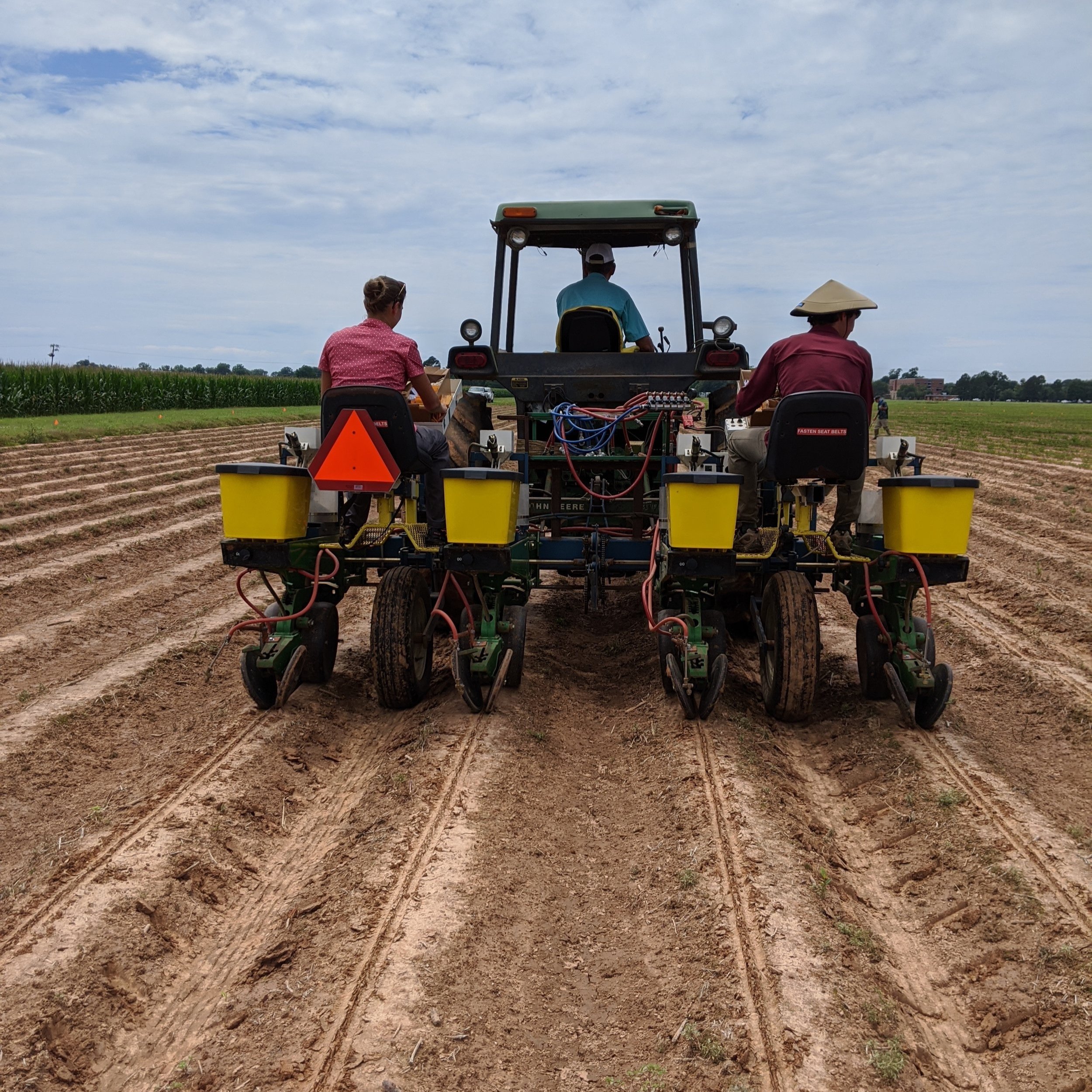
Variety Testing: A Critical Component For Sustainable Production Systems
New row crop varieties — soybeans, wheat, rice, corn, cotton, grain sorghum, sweet potatoes and sugarcane — are released annually by private companies and university breeding programs. Each variety can vary dramatically in yield potential, agronomic traits such as maturity, and resistance to insects, diseases and environmental stress factors. It is important to note a variety with high yield potential at one location may not be competitive in another location because of a lack of adaptability to different environments, including weather patterns, soil characteristics, disease pressure and cropping systems. Furthermore, a variety achieving a high yield or quality one year may not perform as well the next year at the same location because of yearly changes in the environment, such as rainfall or disease patterns.
Read More
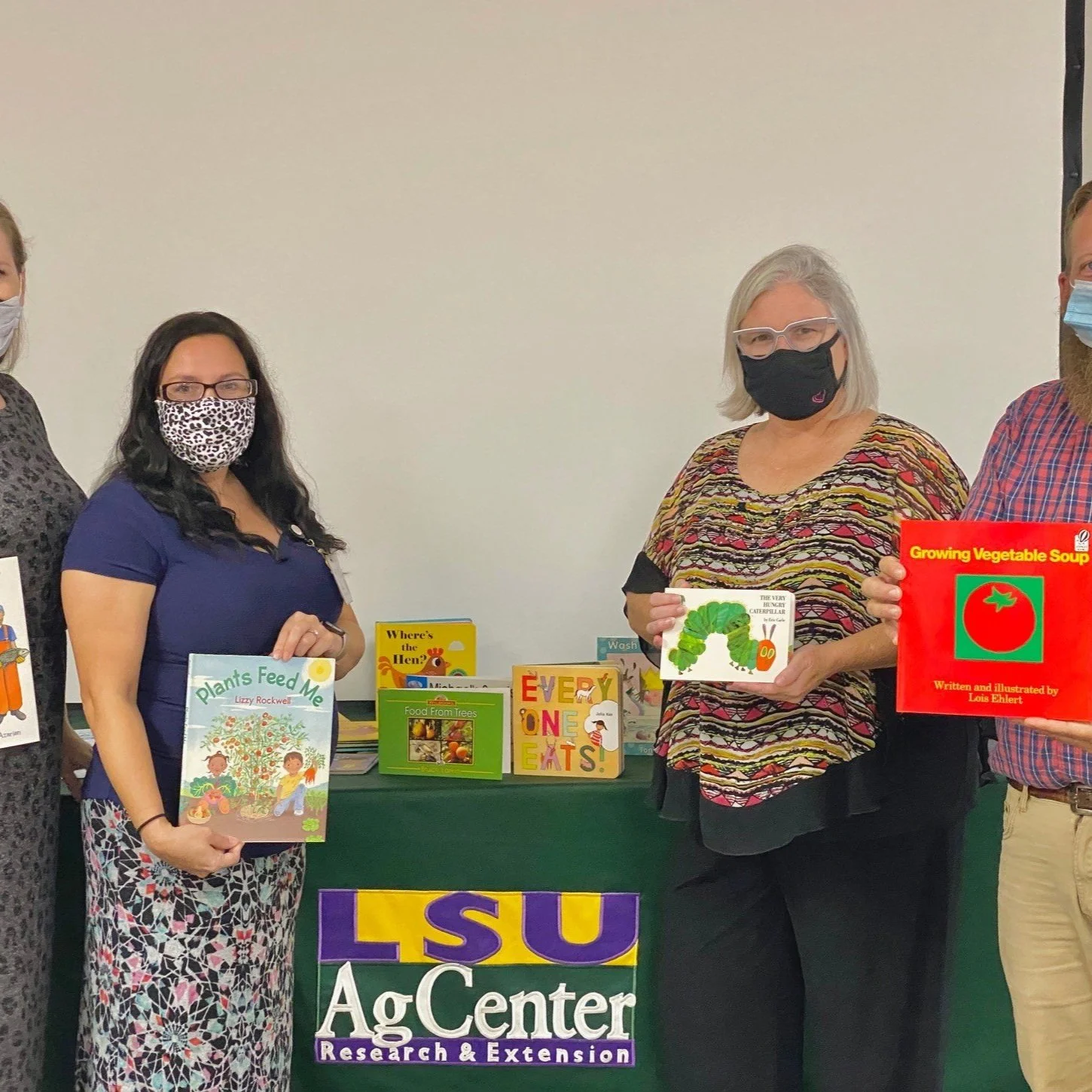
LSU AgCenter Initiative Aims To Teach Children About Healthy Living, Improve Literacy
The LSU AgCenter has launched Healthy Living Literacy, a program that provides children with books and other materials that teach about health, nutrition and gardening.
The program is being offered in St. Tammany and Washington parishes through a partnership with local pediatric clinics. It serves two purposes: to encourage children and their families to read and to make healthier lifestyle choices.
Read More
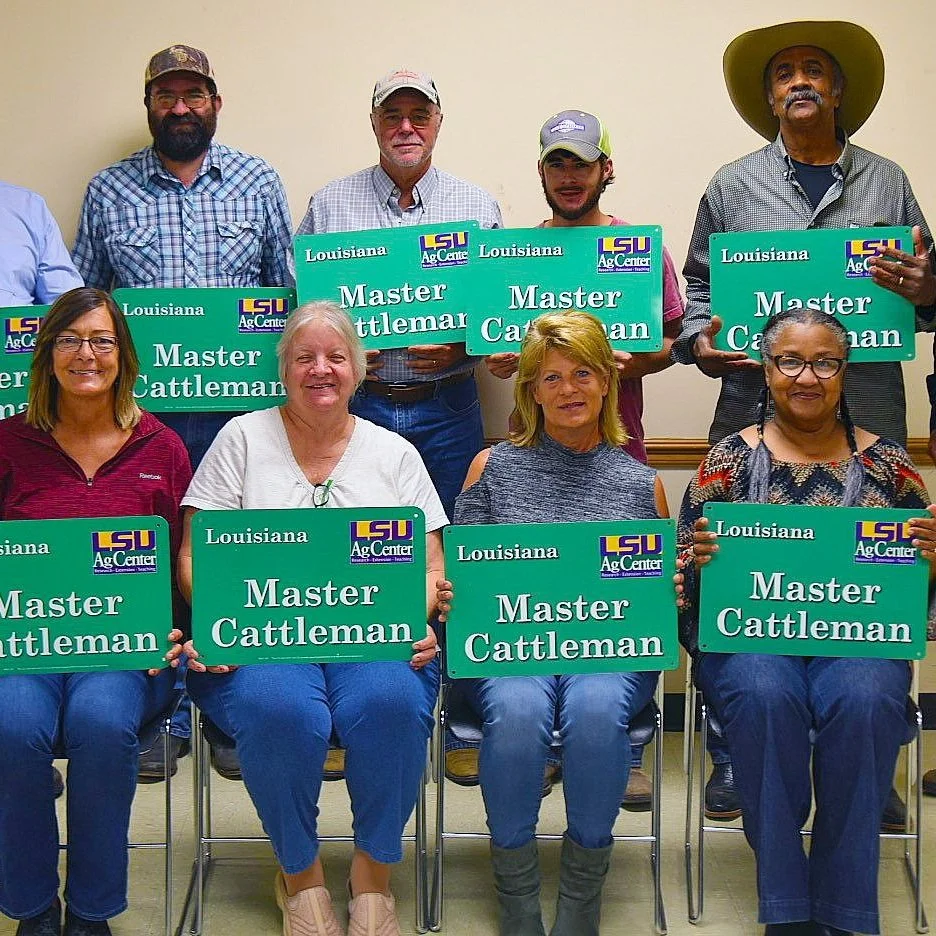
20 In Acadiana Earn Master Cattleman Distinction
The LSU AgCenter recognized 20 new graduates from the Louisiana Master Cattleman program at a ceremony Nov. 1.
The group of students who hailed from six Acadiana parishes participated in the 10-week program that included instruction in all aspects of beef production, including pasture management, animal handling, finance, marketing and Beef Quality Assurance (BQA) guidelines.
Read More
AgCenter Economists Offer Tools For Farmers To Monitor Their Bottom Line
With agricultural input costs on a rapid rise and the volatility of current commodity markets, farmers are having to tighten their belts to stay in the black.
To navigate the complicated economic nature of operating a profitable farming operation, the LSU AgCenter Department of Agricultural Economics and Agribusiness offers several tools designed for farmers to analyze and monitor what goes into — and out of — their farm accounts.
Read More