Soybean Planting Going Slow For Louisiana Growers
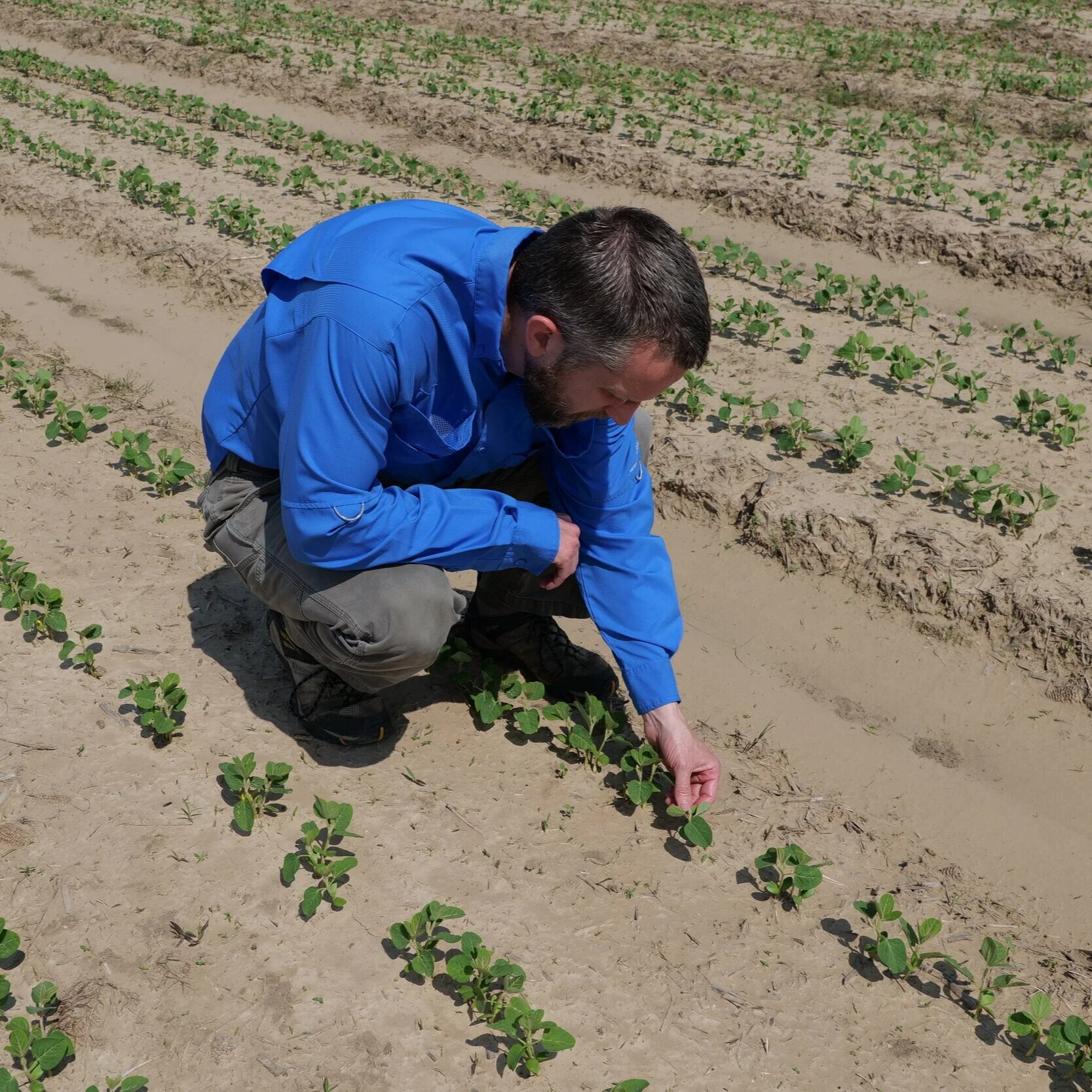
Wet weather and cooler temperatures have put Louisiana soybean planting behind schedule. The optimum planting date for soybeans in the state is mid-May, and growers will be hard pressed to meet this deadline. LSU AgCenter reporter Craig Gautreaux has the story.
Read More
Soybean Planting Well Behind Schedule
When they can, Louisiana soybean farmers have been busy planting as many acres as the weather allows. Unfortunately, many producers have not been able to get in their fields as often as they would like.
According to a May 3 report from the U.S. Department of Agriculture National Agricultural Statistics Service, approximately 24% of the state’s intended soybean acres had been planted. The five-year average for this date is 47%.
Read More
Planting Season Hampered by Rain
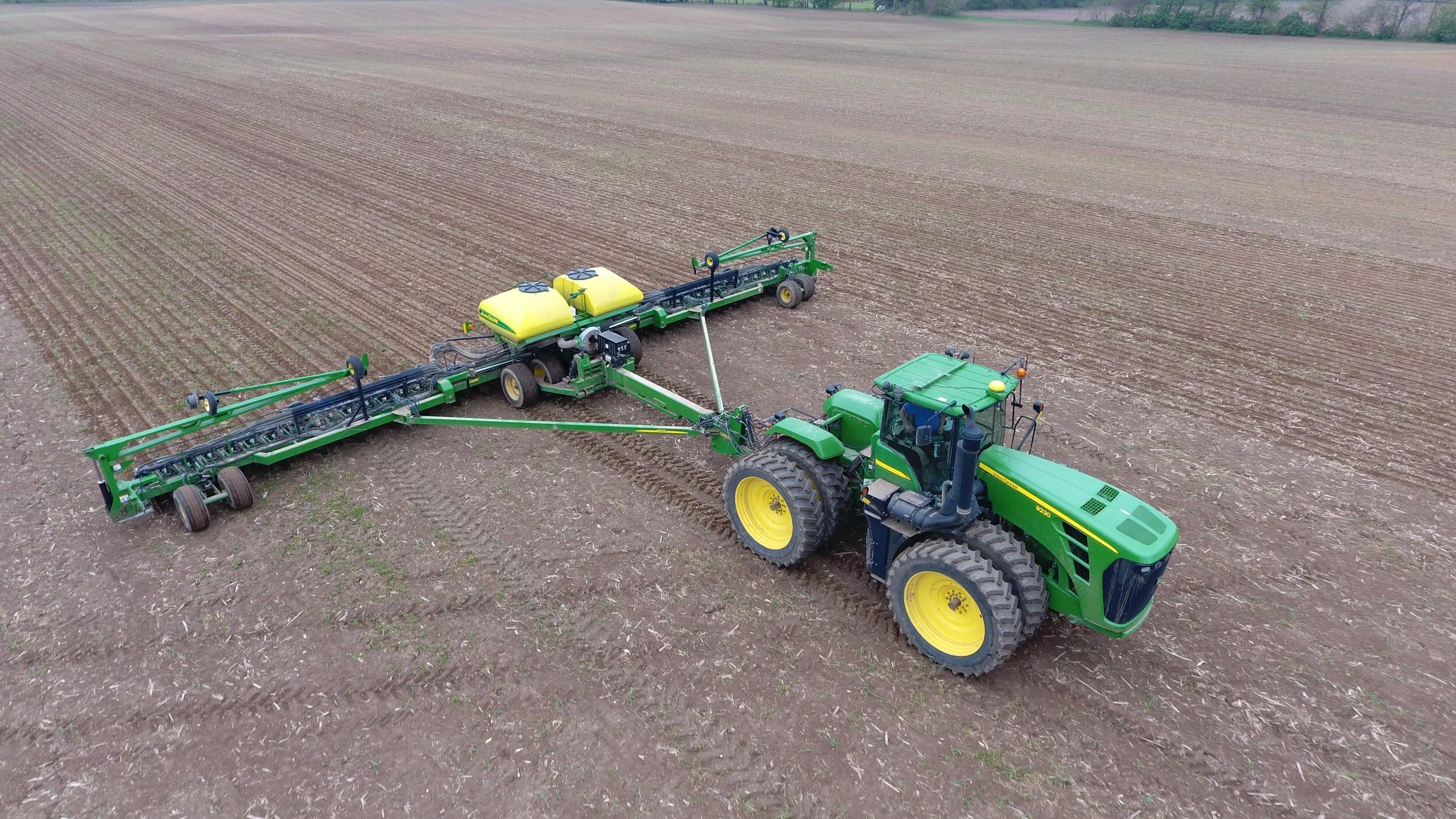
Planting season for area crops has been “hit and miss” due to uncooperative weather, said Carol Pinnell-Alison, LSU County Extension agent.
With corn planting season complete, farmers are busy fertilizing and performing weed control between rain showers on the crop.
Area farmers planted some 98,000 acres of corn last season, up from the previous year’s total of 72,000, according to Farm Service Agency (FSA) certified acreage numbers.
Read More
To Replant or Not to Replant? Consider the Economics
The economic impact on direct farm-level production costs from replanting soybeans can result in an increase in the number of bushels that will be required to offset the incurred production expenses associated with replanting field operations.
The severity of this will depend on the type of soybean technology employed, as differences in the prices for seed, seed treatments and seeding rate can influence the replanting costs and, hence, the number of additional bushels required at harvest to offset those costs.
Read More
Louisiana Rice: Early Season Challenges for 2021
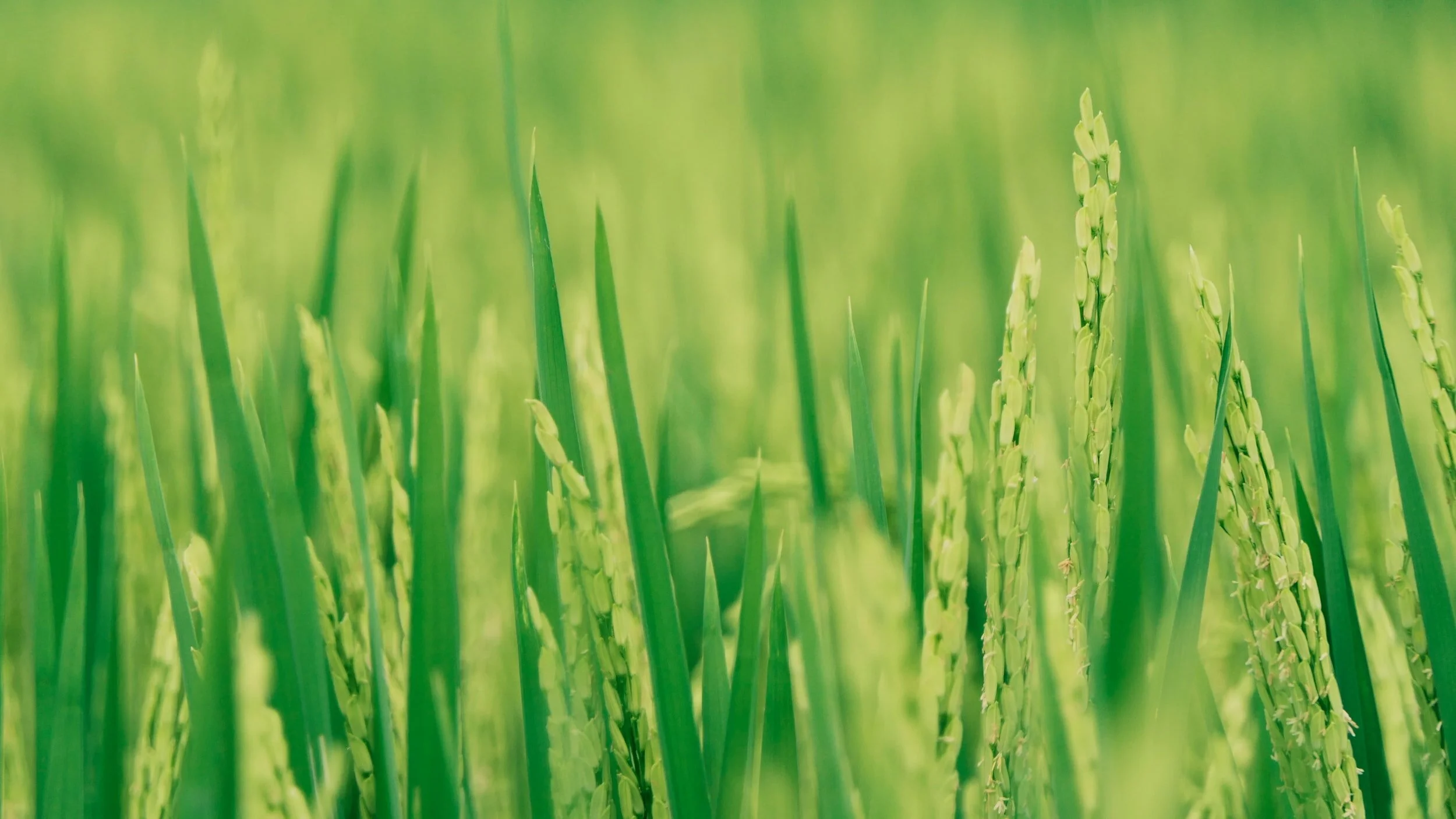
Every year is unique when it comes to the challenges that we face in a rice growing season and 2021 is no exception. The first few weeks of March were somewhat normal, and we were able to plant a significant amount of rice in southwest Louisiana in a short amount of time.
The last week of March and the whole month of April were much more challenging. The weather across the state during that time was either wet, overcast with little sunshine, cold, or a combination of the above.
Read More
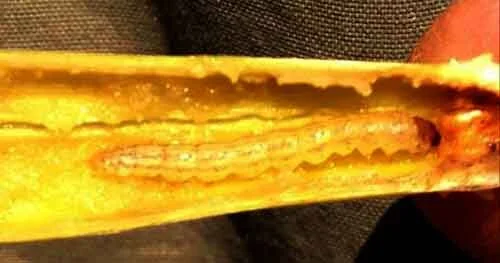
Louisiana Rice: Pest Concerns for Late-Planted Crops
The recommended planting dates for Louisiana rice are March 10–April 15 for southwest regions and April 1–May 5 in the north. In an ideal world, all rice would be planted within those windows to maximize yield potential. In the real world, weather delays, equipment failures, labor shortages, or other factors can prevent timely planting.
Some farmers may opt to plant fields following crawfish production, pushing planting to well outside the optimum window. Yield is often reduced in late-planted rice by the stress from high summer temperatures. Insect pests and diseases are often worse in late-planted fields. Here are some considerations on how to approach insect management if you’re behind in getting the crop in.
Read More
Equipment Donation Aids LSU AgCenter Research
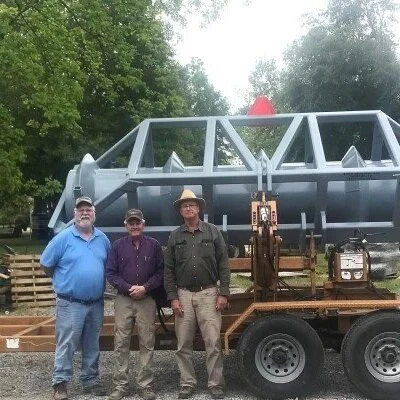
A piece of equipment recently donated to the LSU AgCenter will help advance crop research efforts, including projects on row rice, which has steadily gained interest among northeast Louisiana farmers in recent years.
Afton Groovers, a Tallulah business owned by Chase Noland and Kenneth Smith, donated a four-row groover to the AgCenter Northeast Research Station near St. Joseph. The equipment, valued at $25,000, is rolled across fields to create grooves.
Read More
It Could Soon Be Tea Time In Louisiana
Tea is a popular drink across the United States, but very little is grown in the U.S. Researchers with the LSU AgCenter are working with area growers to see if growing tea on a commercial scale is viable. LSU AgCenter correspondent Craig Gautreaux has the story from Tangipahoa Parish.
Read More
Louisiana 4-H Completes State Shooting Sports Competition
Louisiana 4-H held its annual state shooting sports event, and more than 650 youth participated in events ranging from archery to skeet. With a shot at nationals on the line, the competition was fierce, but everyone enjoyed the opportunity to test their skills. LSU AgCenter correspondent Craig Gautreaux has the story from West Baton Rouge Parish.
Read More
LSU Eunice Steps Into National Spotlight With New Initiative Focused on Workforce Development in Rural Regions
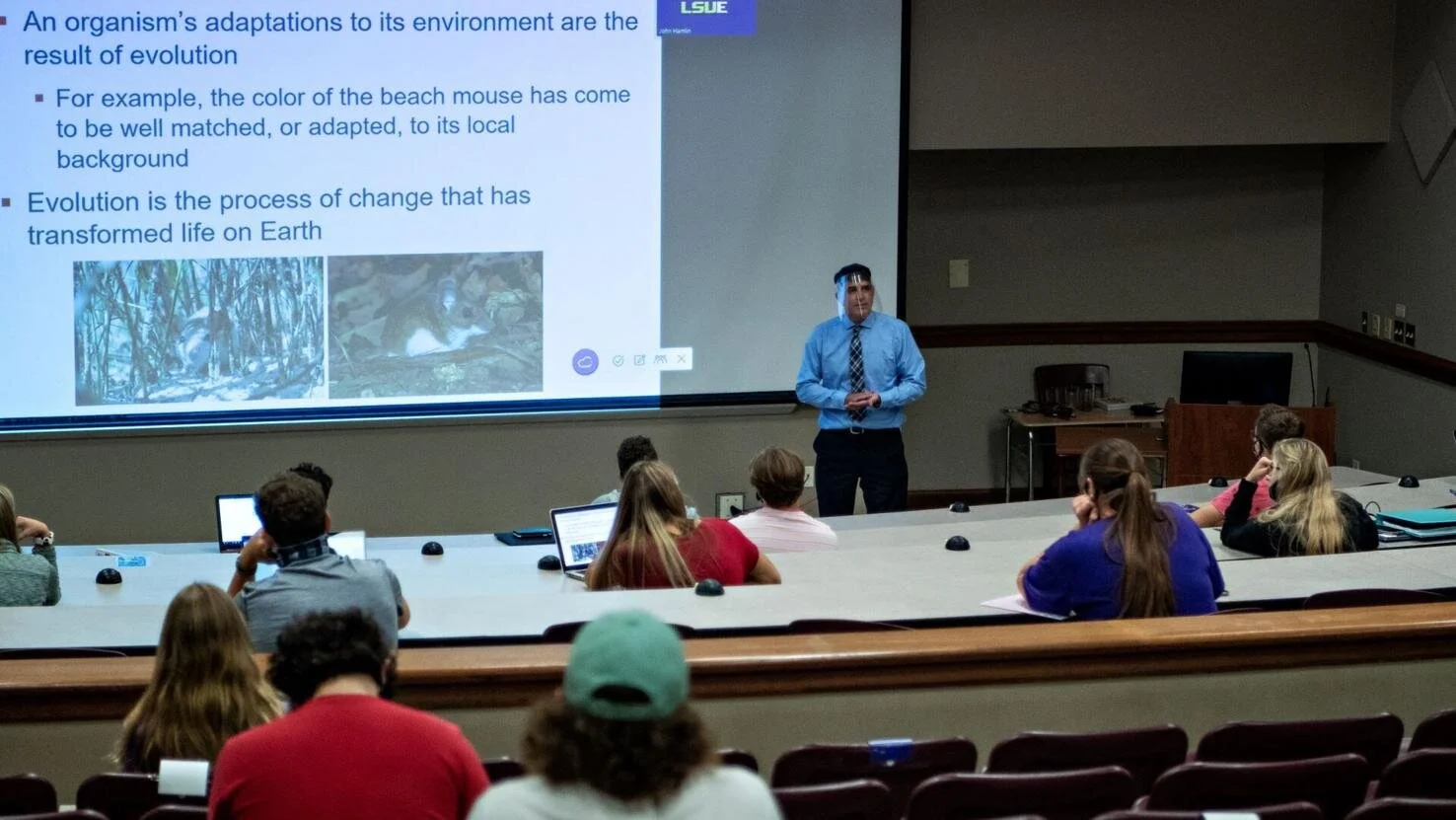
LSU Eunice is one of seven U.S. higher education institutions that have been selected to participate in a new Building Resiliency in Rural Communities for the Future of Work initiative.
The three-year initiative is led by Achieving The Dream, a nationwide network of more than 300 community colleges that works to help schools prepare students to be competitive in the workforce, with a particular focus on equity and institutional redesign.
Read More
Agriculture Unlocked Unknown Worlds For Tara Smith
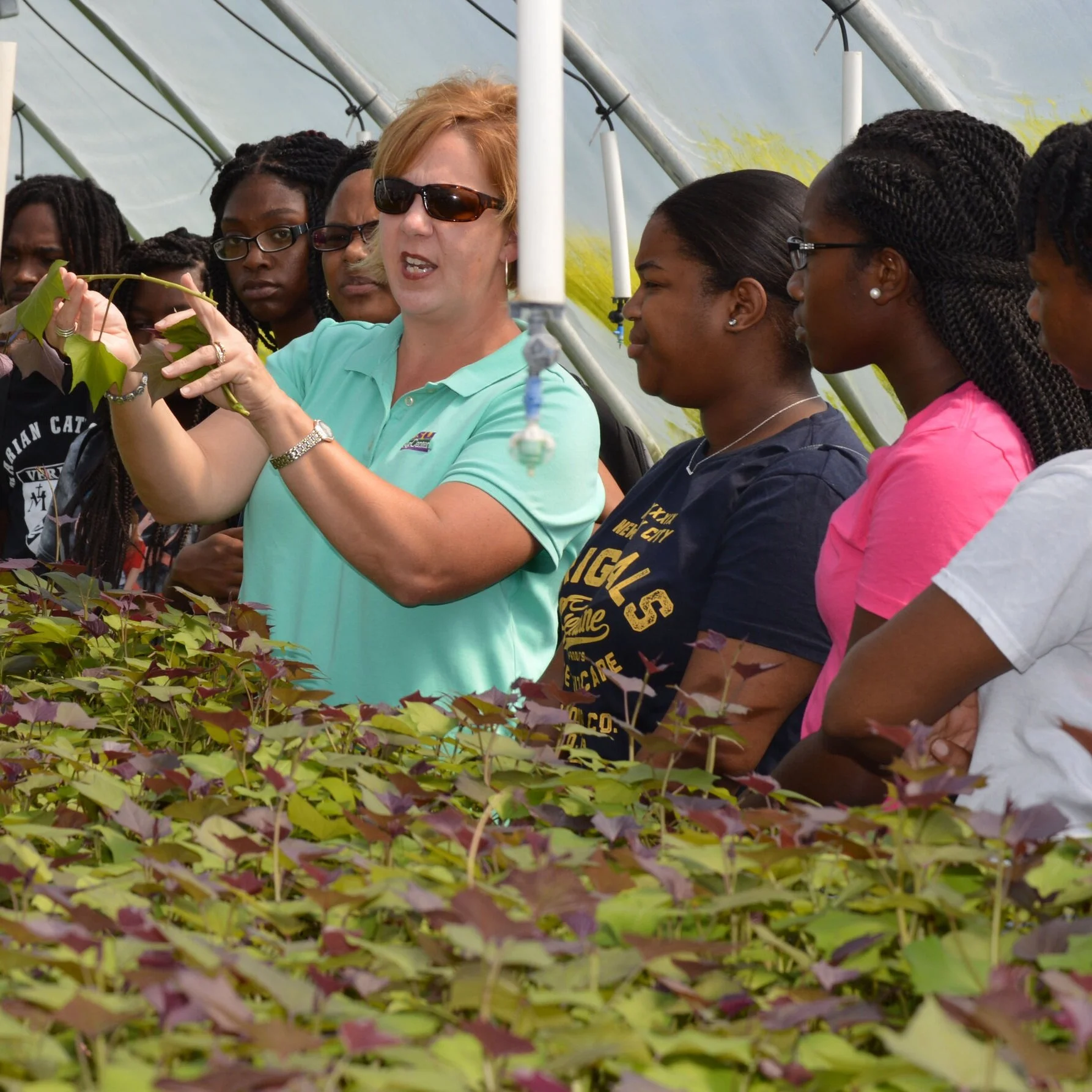
Tara Smith describes her career in agriculture as serendipitous.
Director of the Central Region, Smith has been an integral part of the LSU AgCenter since she was hired as the state sweet potato specialist in 2006.
Growing up in Alexandria, Smith wasn’t involved in 4-H, and she thought little about farming. During her undergraduate and graduate school experiences, mentors and professors saw Smith’s knack for science and encouraged her to pursue a degree in entomology and, later, study sweet potatoes.
Read More
New East Baton Rouge Parish Agent Is No Stranger To AgCenter
The LSU AgCenter has a new agent for East Baton Rouge Parish, and his name is Russell Harris.
If the name sounds familiar, it could be because Harris was the horticulture agent in New Orleans before taking a position in the landscape industry.
Read More
Demolition Progress Being Made At Tornado-Damaged AgCenter Facility
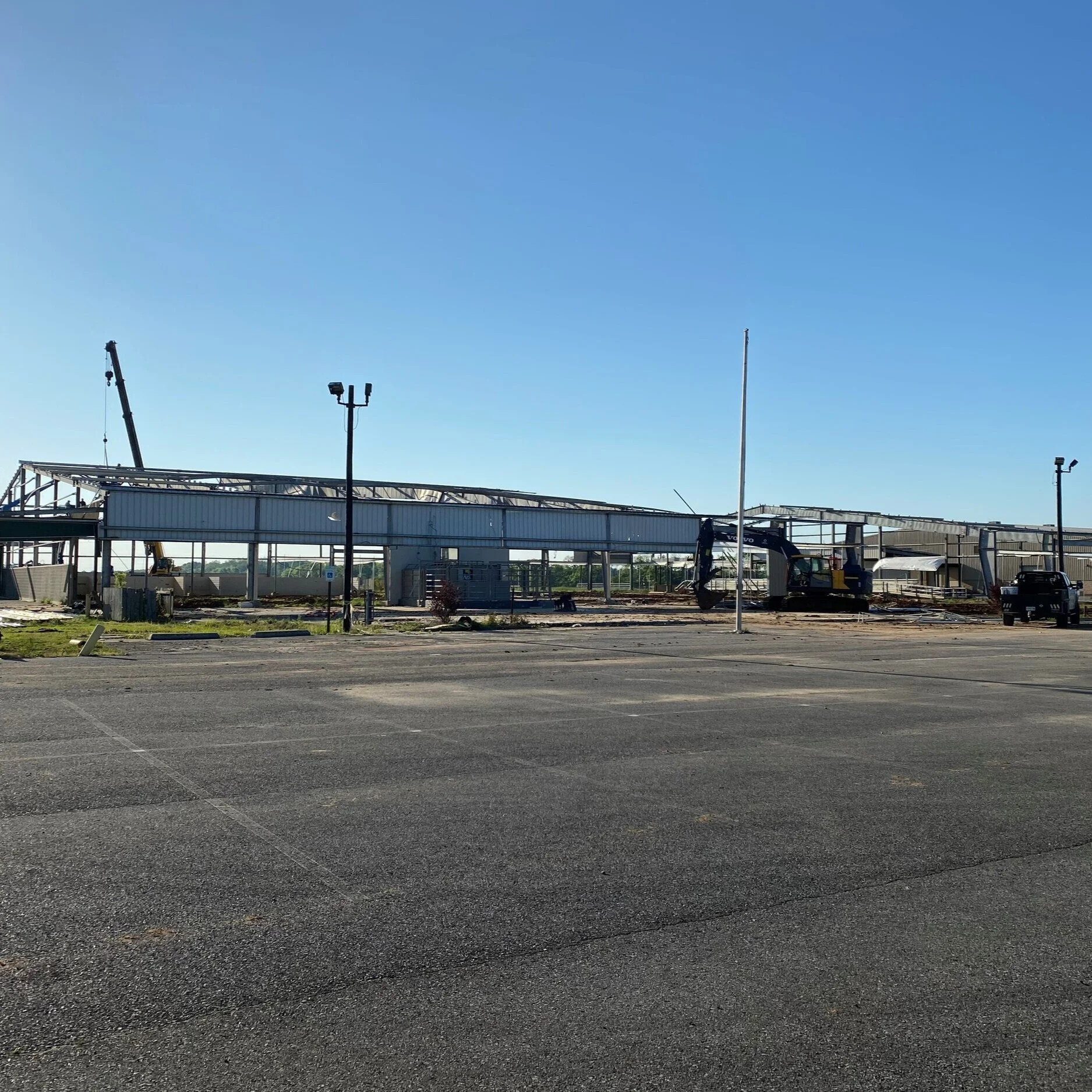
One year after a nighttime tornado destroyed several buildings at the LSU AgCenter Dean Lee Research and Extension Center near Alexandria, progress is being made to fully restore facilities.
AgCenter Central Region director Tara Smith said the storm heavily damaged the AgCenter DeWitt Livestock Show Facility and several other buildings on the research station.
Read More
Louisiana Champions Named At 86th Annual LSU AgCenter Livestock Show
Despite having to prepare their animals in the middle of a pandemic, hundreds of young people from across Louisiana were named state champions during the 86th annual LSU AgCenter Livestock Show held at the Lamar-Dixon Expo Center.
Read More