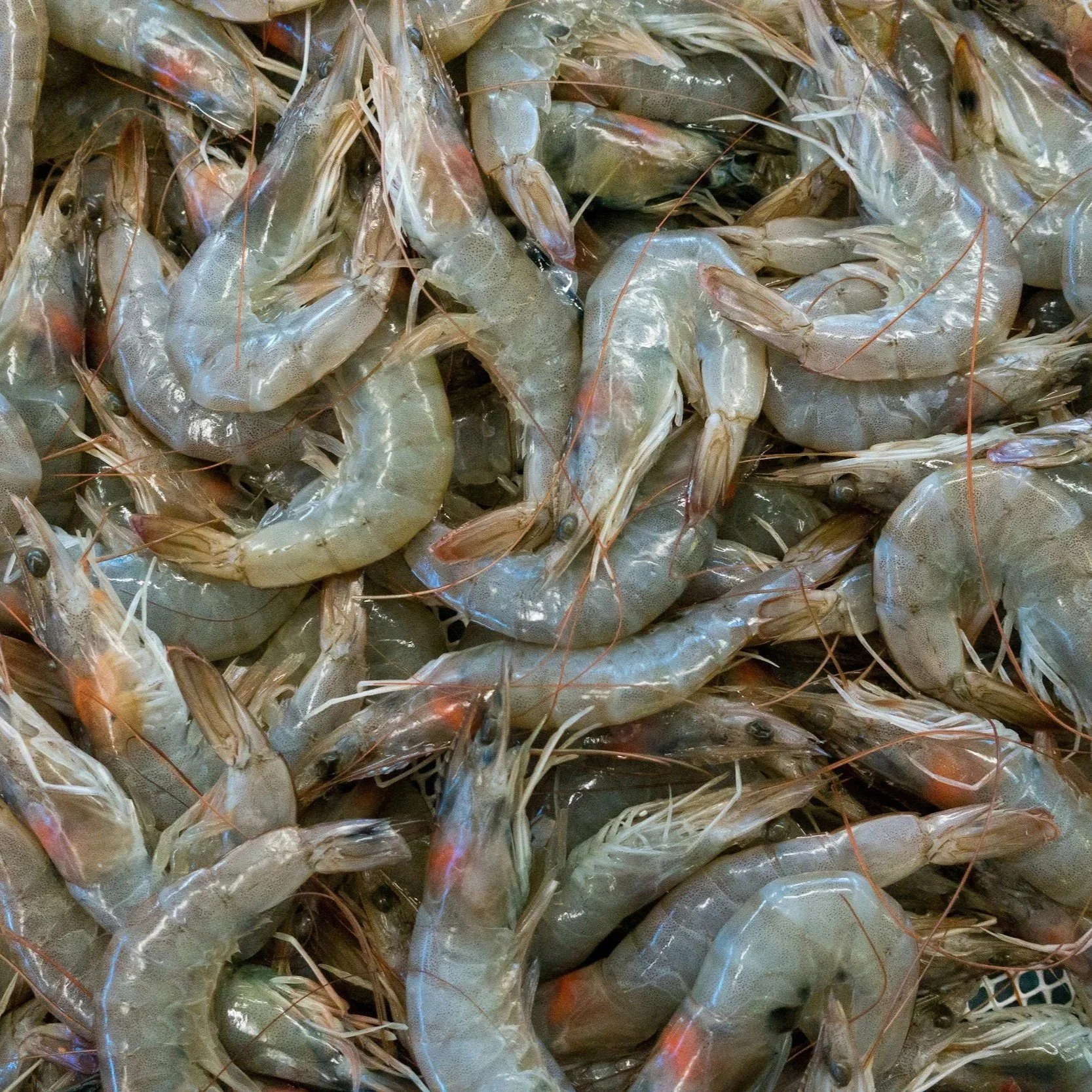
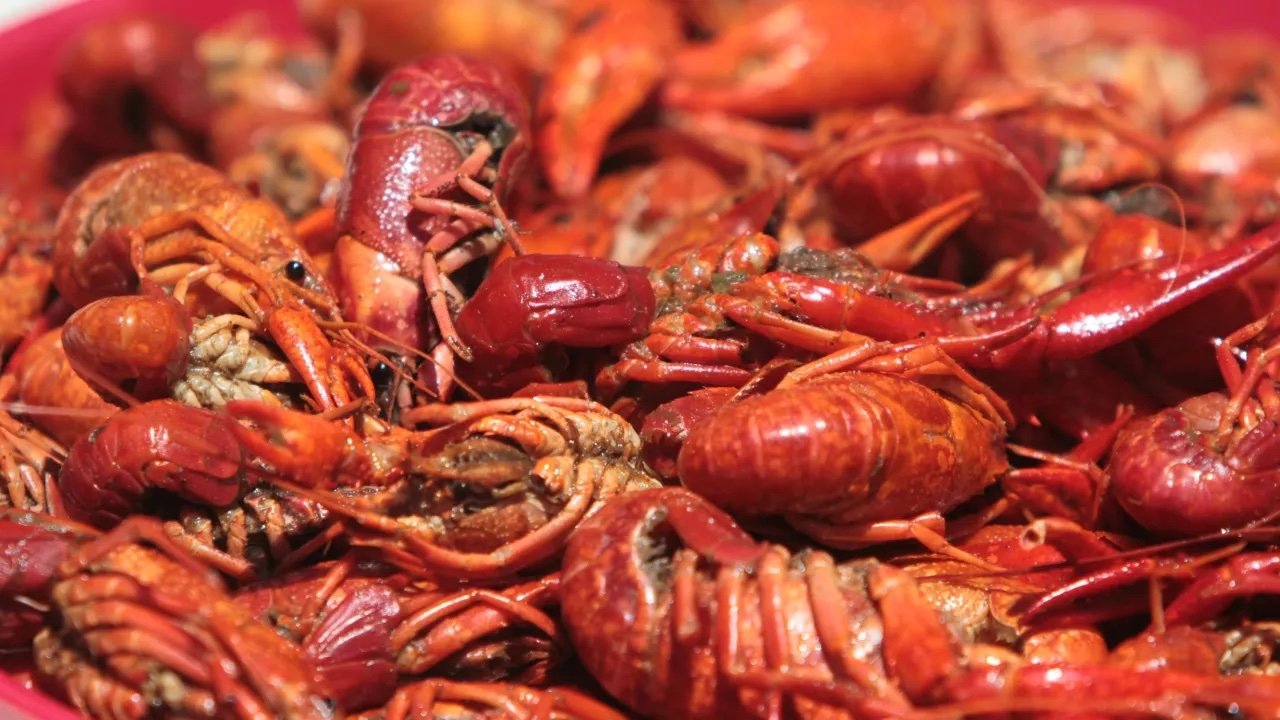
Tulane, Audubon Partner To Promote Sustainable Gulf Seafood
Louisiana’s $2.4 billion seafood industry is growing despite constant competition from international products, and a partnership between Tulane Hospitality and the Audubon Nature Institute is working to keep Gulf cuisine at the forefront by training the next generation of culinary professionals.
Read More
American Seafood Producers Express Strong Support for Proposed Additional Tariffs in Section 301 Investigation on Forced Labor
The Southern Shrimp Alliance, joined by the American Shrimp Processors Association, the Catfish Farmers of America, the Crawfish Processors Alliance, and the Crawfish Commodity Committee of the Louisiana Farm Bureau Federation, submitted comments expressing strong support in favor of the Office of the United States Trade Representative (“USTR”) proposal that additional tariffs of 12.5 percent be imposed on imported goods from China, India, Thailand, and Vietnam, including seafood, and additional tariffs of 10 percent be imposed on imported merchandise from Ecuador, Indonesia, and Mexico, including seafood.
Read More
Audit Reveals Alarming Increase in Number of New Orleans Restaurants Serving Imported Shrimp
A recent audit of New Orleans restaurants has discovered that the rate of shrimp authenticity has declined over the last year. SeaD Consulting diners ordered shrimp dishes at 44 restaurants, and of those, 11 served imported shrimp. Chief Operating Officer Erin Williams says of those 11, nine of them misrepresented the origins of their shrimp.
Read More
Aiding The Shrimp Industry
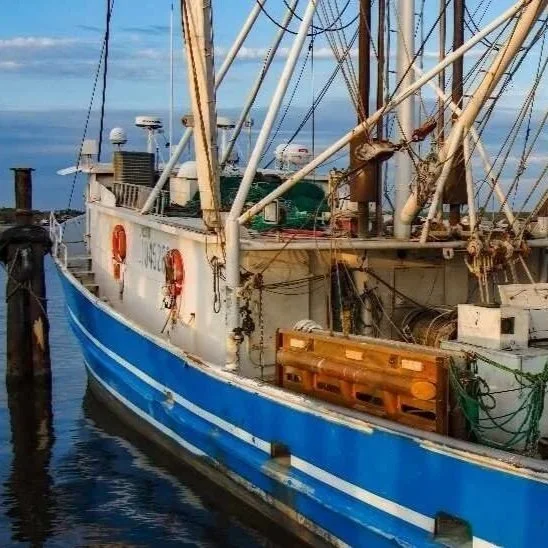
When Lance Nacio started out in the shrimping industry in the late 1990s, he had a bag phone. At the dock, he could get $4 a pound for shrimp, and he paid a lot less for diesel. Today, he has Starlink satellite internet, navigation technology and an iPhone on his shrimping boat, the Anna Marie.
Read More
Louisiana Expands Red Snapper Limits for Fourth of July Weekend
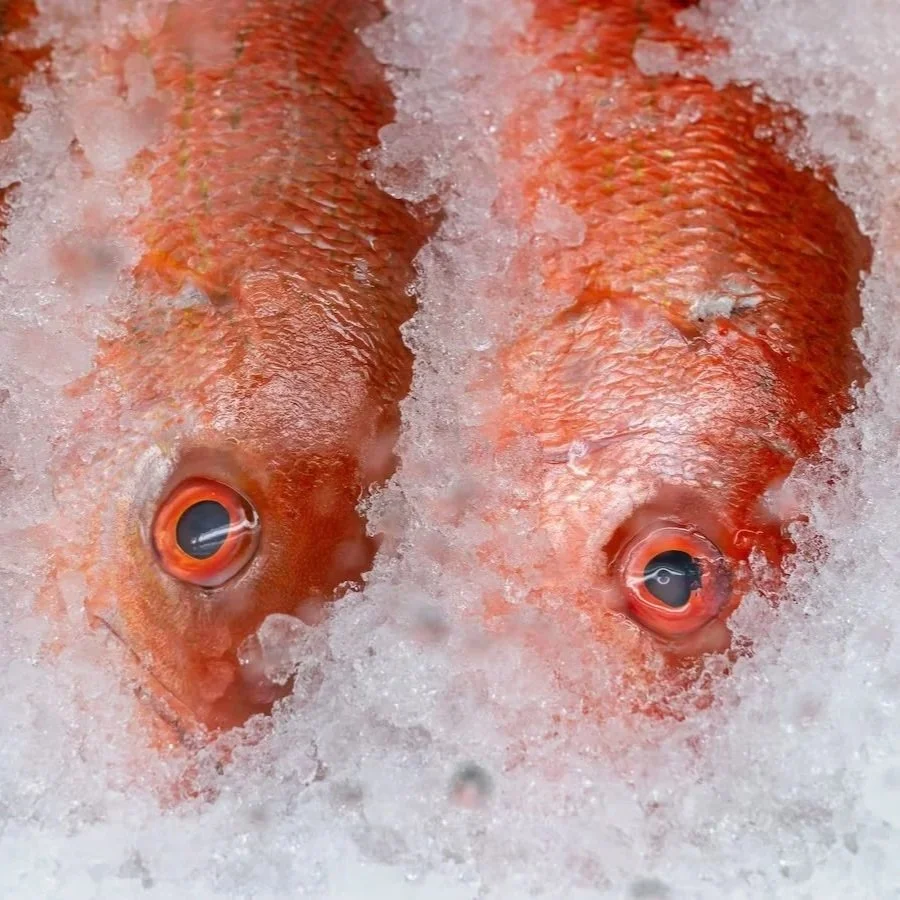
State officials will temporarily expand the number of red snapper recreational anglers can take home in Louisiana for the Fourth of July holiday.
The Louisiana Department of Wildlife and Fisheries will allow those fishing in state coastal waters for red snapper to take home five fish per person per day, increased from the typical four-fish limit, Thursday through Sunday.
Read More
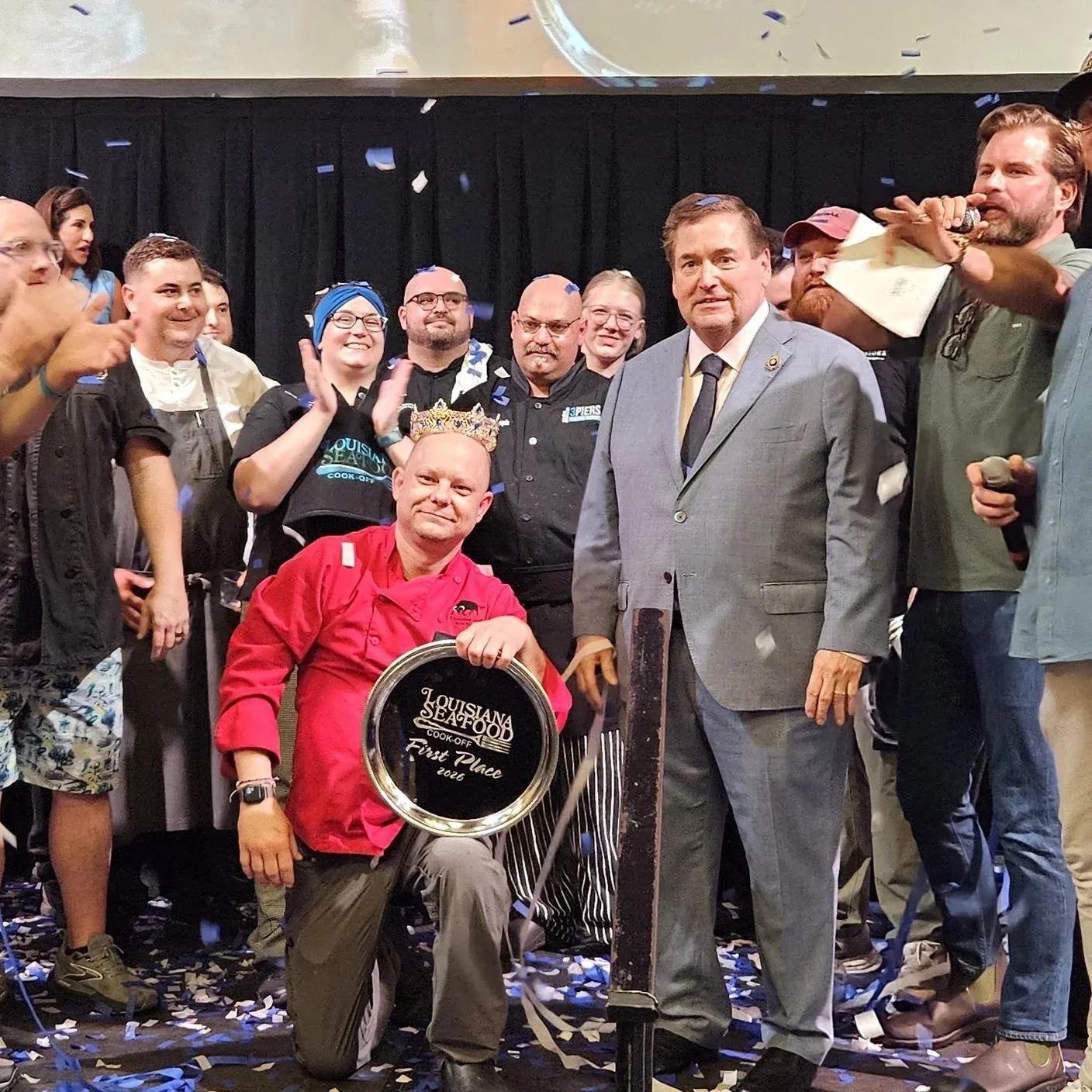
Lafayette chef Kris Allen Crowned King of Louisiana Seafood at 19th Annual Louisiana Seafood Cook-Off
Lafayette chef Kris Allen was named the new King of Louisiana Seafood at this year’s Louisiana Seafood Cook-Off earlier this week. To win the crown, Allen used modern techniques to highlight a classic crab-stuffed flounder. Allen says seafood has always been part of his life.
Read More
US Senators Request USDA Support for Farm-raised Catfish
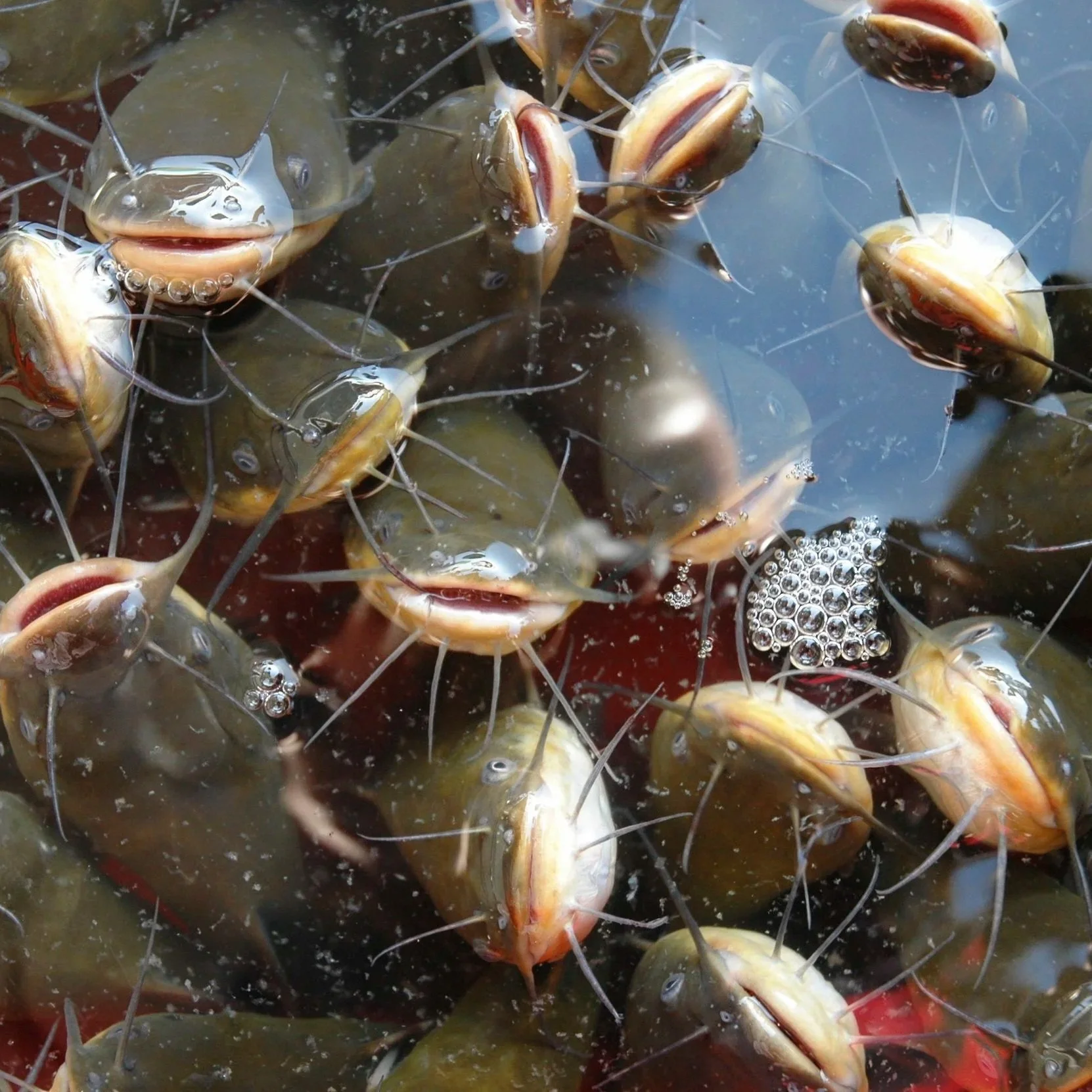
U.S. Senator Cindy Hyde-Smith (R-Miss.) and several of her colleagues endorsed a request made by the U.S. farm-raised catfish industry for the U.S. Department of Agriculture to help the industry by purchasing surplus catfish products.
In a letter to Agriculture Secretary Brooke Rollins, the senators asked her to approve a request to purchase U.S. farm-raised catfish products through the Agricultural Marketing Service Section 32 Program.
Read More
Shrimp Mislabeling Rate Rises in New Orleans Restaurant Testing
Imported shrimp is still being sold as American wild-caught at New Orleans restaurants despite a series of Louisiana laws aimed at forcing seafood transparency, according to new genetic testing commissioned by the Southern Shrimp Alliance.
SeaD Consulting tested shrimp dishes from 44 randomly sampled New Orleans restaurants in May, according to a release from the company. The testing found 33 restaurants served authentic American wild-caught shrimp, while 11 served imported shrimp.
Read More
Cassidy to Introduce Bill to Protect Louisiana Seafood, Rice Producers from Unfair Imports
U.S. Senator Bill Cassidy, M.D. (R-LA) will introduce the Home Market Restoration Act of 2026 to protect Louisiana crawfish, shrimp, rice, catfish, and other American producers from unfair foreign competition. The legislation would establish tariff-rate quotas (TRQs) on import-sensitive food and agricultural products to stop import surges, restore fair prices, and keep American producers in business without shutting down lawful trade.
Read More
CRAW Act Seeks to Reclassify Crawfish Processors in Order to Obtain Uncapped Work Visas
Louisiana lawmakers from both sides of the aisle are sponsoring legislation that would reclassify those who work on crawfish farms. Congressmen Troy Carter, Cleo Fields and Clay Higgins are joining forces in proposing what’s known as the CRAW (Crawfish Reclassification for Agricultural Workforce) Act. Andy Brown with the Louisiana Farm Bureau says Congress had gotten it wrong by not classifying crawfish processors as agricultural workers.
Read More
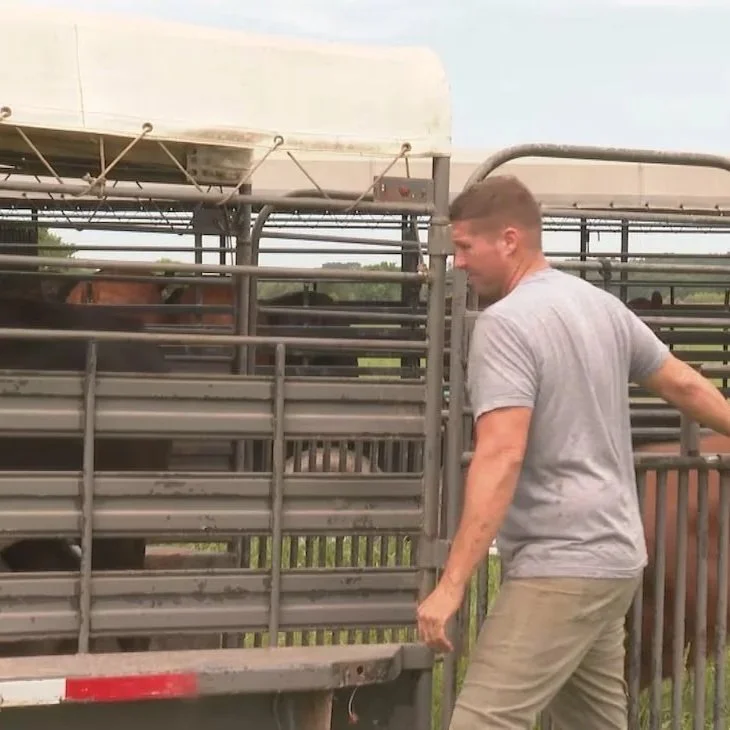
Flooding Forces Cottonport Farmer to Move Cattle, Assess Crawfish Ponds
Flooding on a Cottonport farm forced cattle to higher ground and left crawfish ponds underwater after days of rain and rising water.
With parts of his property flooded, James Bernard, owner of J. Bernard Seafood Inc., said one of the biggest priorities was moving cattle to higher ground until conditions improved.
Read More
Louisiana Crawfish Farmers Hope CRAW Act Fixes Worker Shortage that Hurt 2026 Season
A one-page bill sponsored by an unlikely team of U.S. congressmen could hold the key to stabilizing the crawfish industry.
As we previously reported, several processing plants across the state were left without H2B visa workers to peel crawfish. Farmers say it sent shockwaves across the industry.
Read More
Congressmen Carter, Higgins, Fields Introduce CRAW Act
Congressmen Troy A. Carter, Sr. (D-LA), Clay Higgins (R-LA), and Cleo Fields (D-LA) introduced the bipartisan Crawfish Reclassification for Agricultural Workforce (CRAW) Act. This bill amends the Immigration and Nationality Act to explicitly classify crawfish‑processing work—such as washing, sorting, grading, whole‑boiling, peeling, and transporting—as “agricultural labor or services.” By recognizing these tasks as agricultural, the legislation makes crawfish‑processing employers eligible to use the H‑2A visa program, which is designed for temporary agricultural labor and is not subject to the annual caps that restrict the H‑2B program.
Read More
Seafood Processors Who Mix Domestic, Imported Seafood and Sell It as Local to be Penalized
Starting Aug. 1, there will be stricter penalties for businesses caught mixing domestic and foreign seafood and selling it as locally sourced.
The law's author, State Representative Timothy Kerner (R-Lafitte), says that the law, signed by Governor Jeff Landry a week ago, will help out the Louisiana seafood industry.
Read More
Crawfish Season Winds Down After Unpredictable Year in Louisiana
As crawfish season enters its final stretch in Louisiana, farmers and restaurant owners are reflecting on a year they say played out differently than expected, with shifting catches, unpredictable weather and mixed results across the industry.
Read More