Lafayette chef Kris Allen Crowned King of Louisiana Seafood at 19th Annual Louisiana Seafood Cook-Off
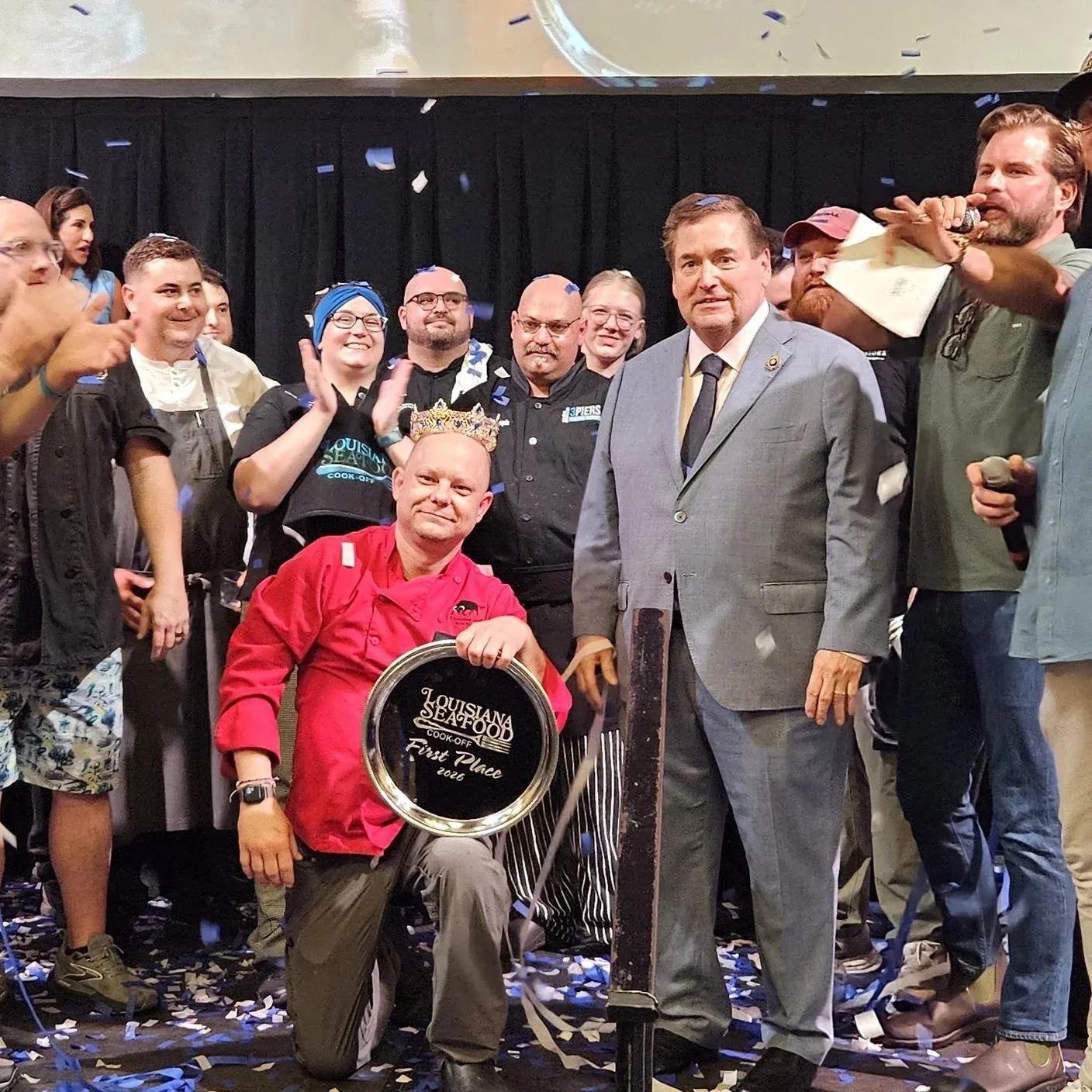
Lafayette chef Kris Allen was named the new King of Louisiana Seafood at this year’s Louisiana Seafood Cook-Off earlier this week. To win the crown, Allen used modern techniques to highlight a classic crab-stuffed flounder. Allen says seafood has always been part of his life.
Read More
US Senators Request USDA Support for Farm-raised Catfish
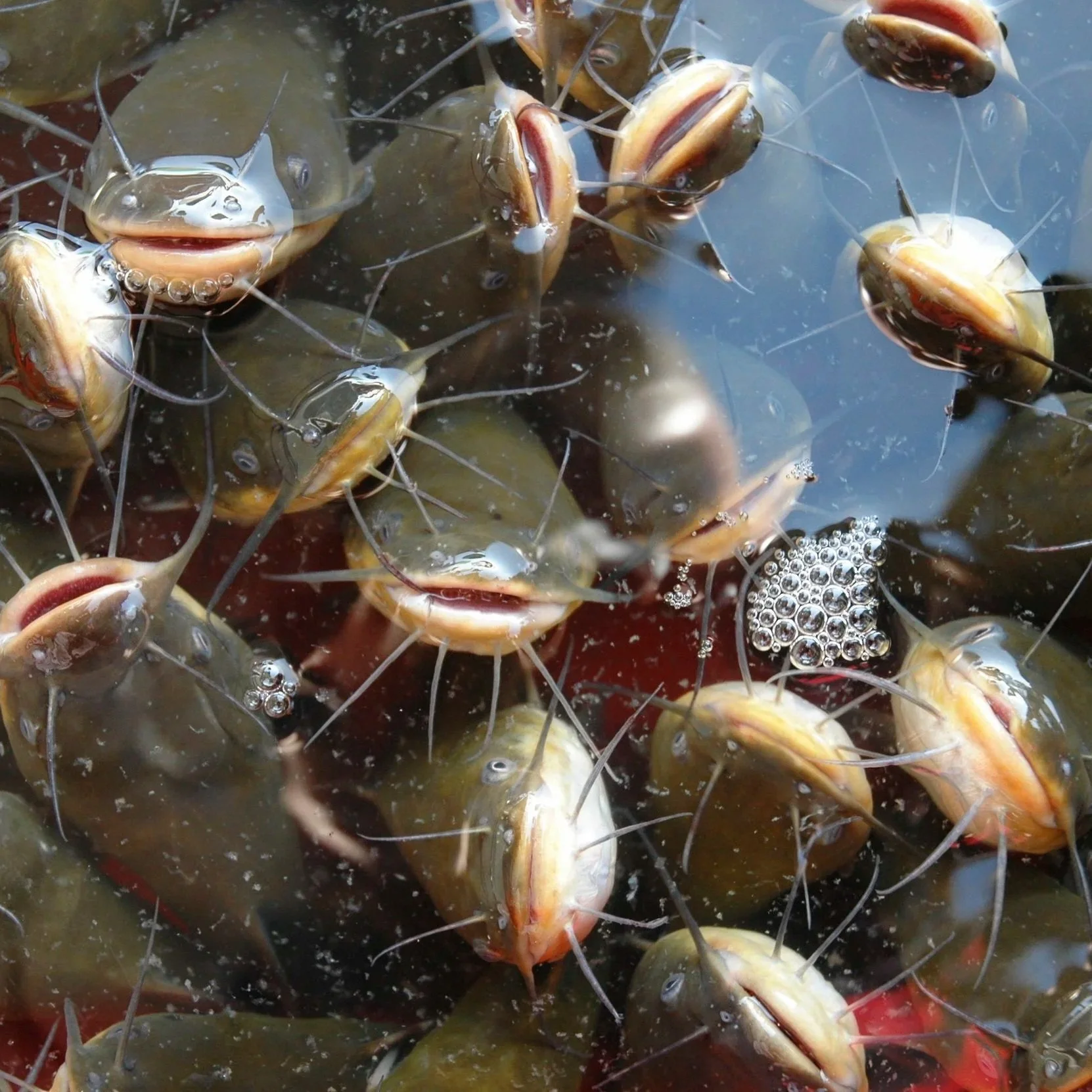
U.S. Senator Cindy Hyde-Smith (R-Miss.) and several of her colleagues endorsed a request made by the U.S. farm-raised catfish industry for the U.S. Department of Agriculture to help the industry by purchasing surplus catfish products.
In a letter to Agriculture Secretary Brooke Rollins, the senators asked her to approve a request to purchase U.S. farm-raised catfish products through the Agricultural Marketing Service Section 32 Program.
Read More
Shrimp Mislabeling Rate Rises in New Orleans Restaurant Testing
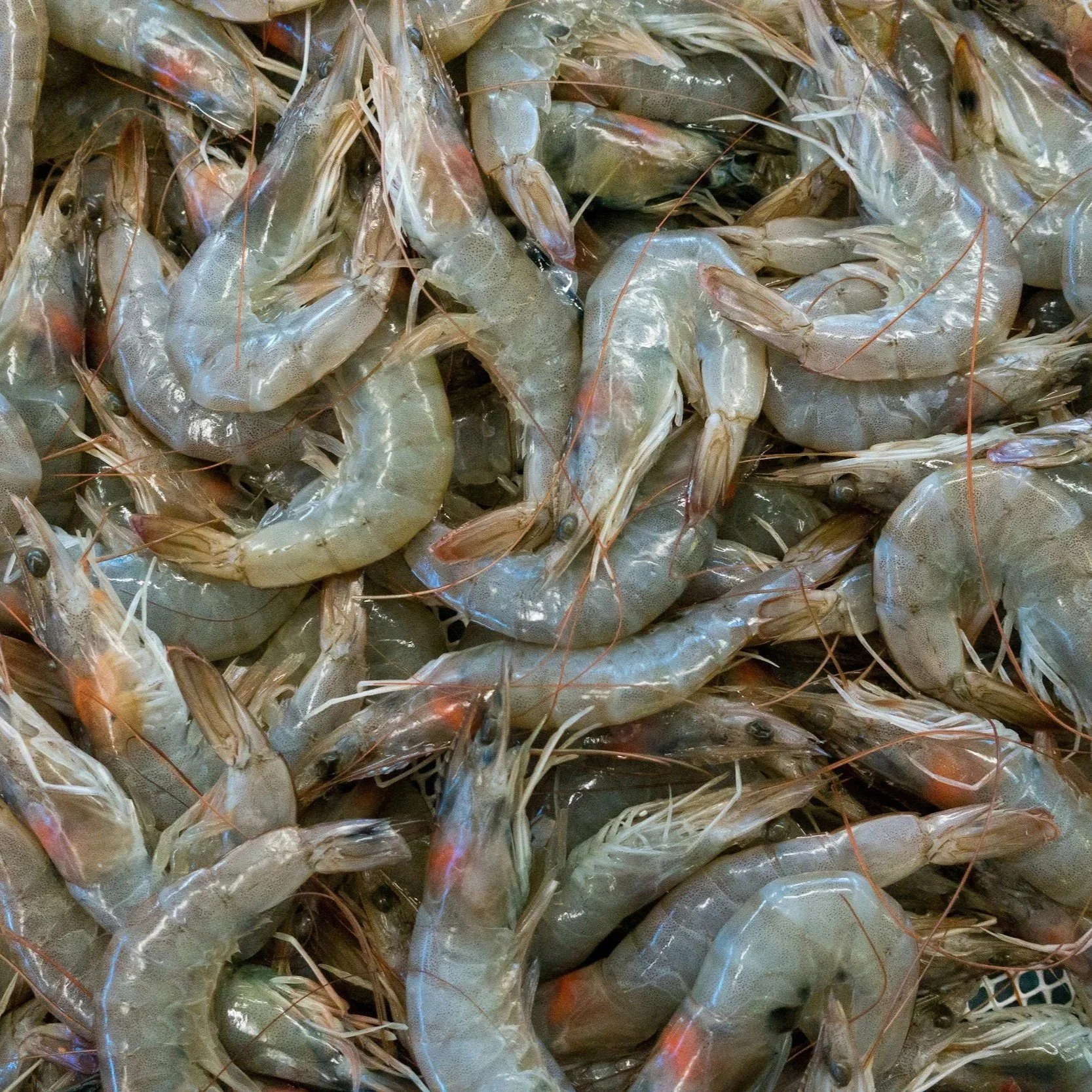
Imported shrimp is still being sold as American wild-caught at New Orleans restaurants despite a series of Louisiana laws aimed at forcing seafood transparency, according to new genetic testing commissioned by the Southern Shrimp Alliance.
SeaD Consulting tested shrimp dishes from 44 randomly sampled New Orleans restaurants in May, according to a release from the company. The testing found 33 restaurants served authentic American wild-caught shrimp, while 11 served imported shrimp.
Read More
Cassidy to Introduce Bill to Protect Louisiana Seafood, Rice Producers from Unfair Imports
U.S. Senator Bill Cassidy, M.D. (R-LA) will introduce the Home Market Restoration Act of 2026 to protect Louisiana crawfish, shrimp, rice, catfish, and other American producers from unfair foreign competition. The legislation would establish tariff-rate quotas (TRQs) on import-sensitive food and agricultural products to stop import surges, restore fair prices, and keep American producers in business without shutting down lawful trade.
Read More
CRAW Act Seeks to Reclassify Crawfish Processors in Order to Obtain Uncapped Work Visas
Louisiana lawmakers from both sides of the aisle are sponsoring legislation that would reclassify those who work on crawfish farms. Congressmen Troy Carter, Cleo Fields and Clay Higgins are joining forces in proposing what’s known as the CRAW (Crawfish Reclassification for Agricultural Workforce) Act. Andy Brown with the Louisiana Farm Bureau says Congress had gotten it wrong by not classifying crawfish processors as agricultural workers.
Read More
Flooding Forces Cottonport Farmer to Move Cattle, Assess Crawfish Ponds
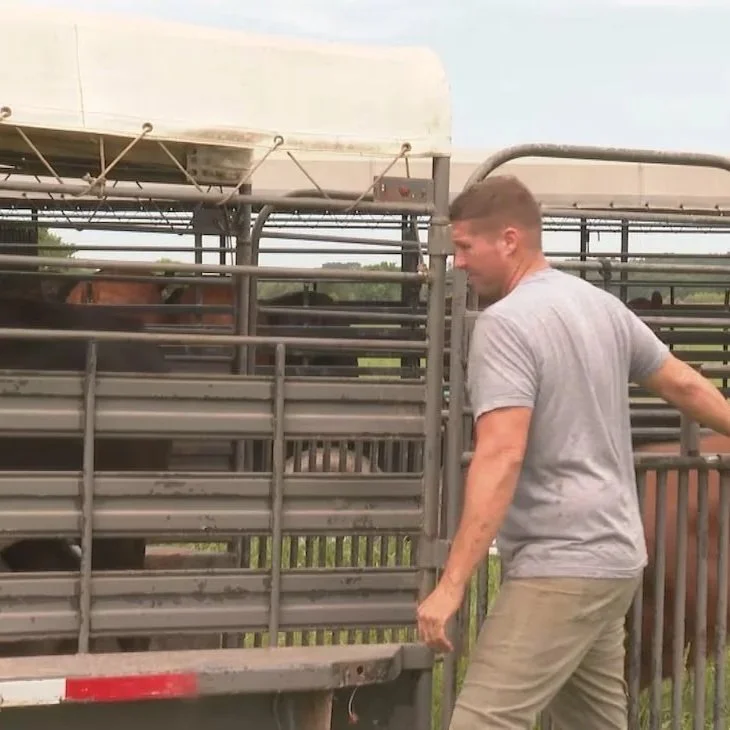
Flooding on a Cottonport farm forced cattle to higher ground and left crawfish ponds underwater after days of rain and rising water.
With parts of his property flooded, James Bernard, owner of J. Bernard Seafood Inc., said one of the biggest priorities was moving cattle to higher ground until conditions improved.
Read More
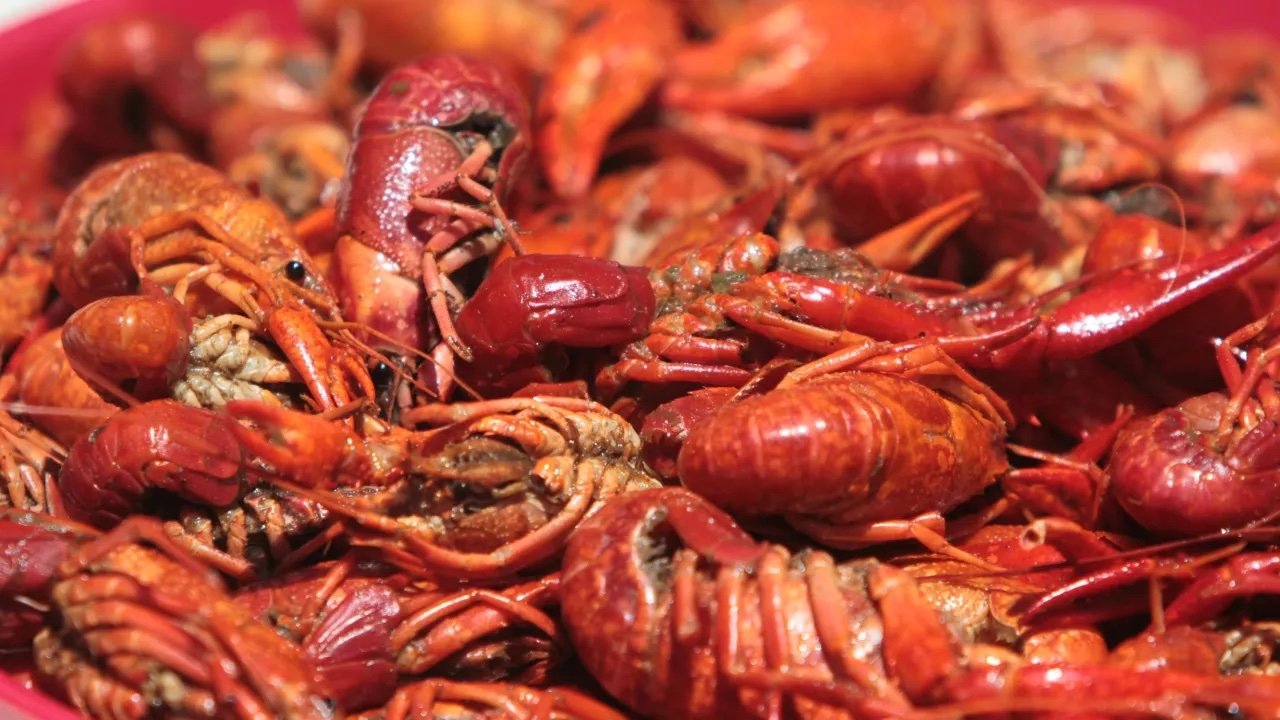
Louisiana Crawfish Farmers Hope CRAW Act Fixes Worker Shortage that Hurt 2026 Season
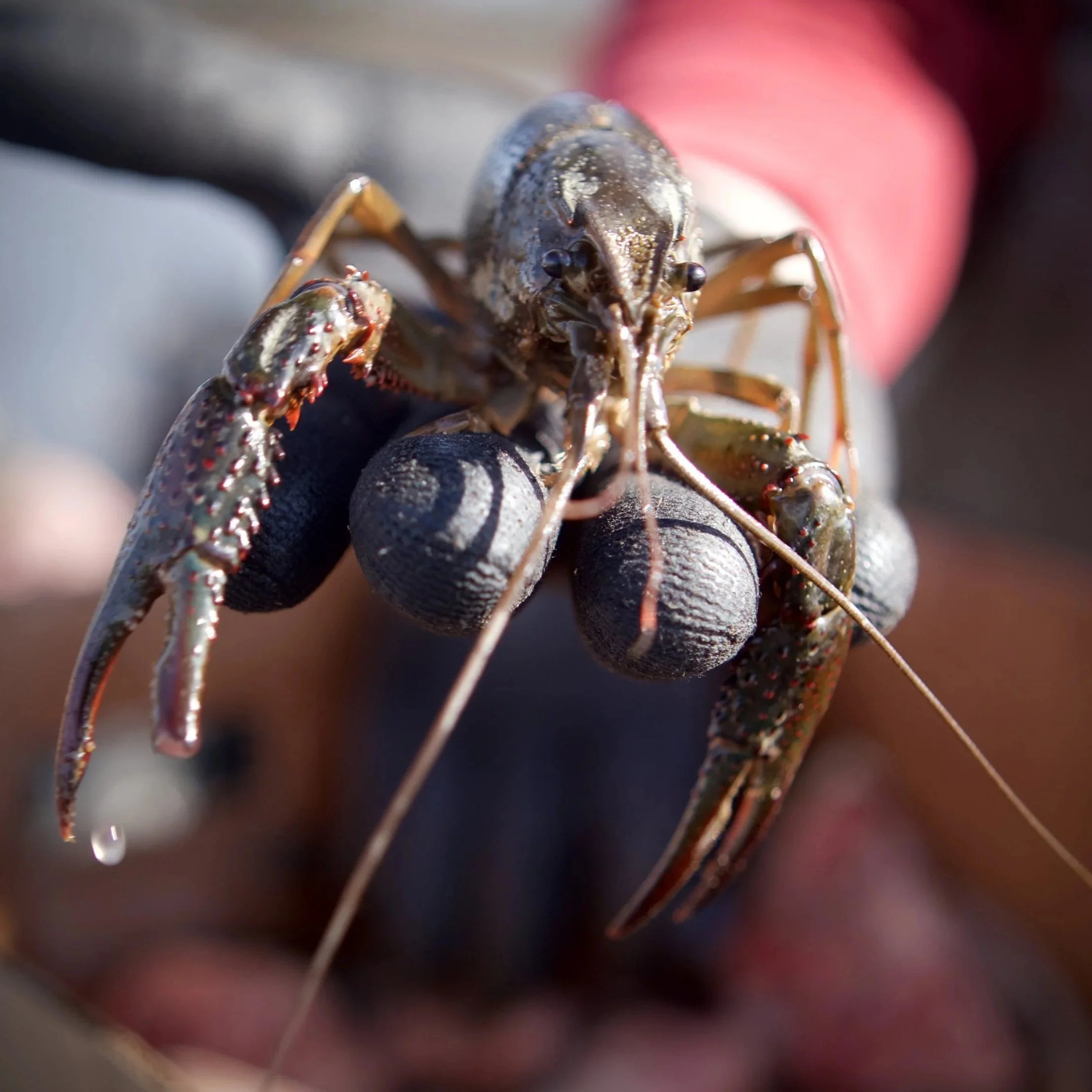
A one-page bill sponsored by an unlikely team of U.S. congressmen could hold the key to stabilizing the crawfish industry.
As we previously reported, several processing plants across the state were left without H2B visa workers to peel crawfish. Farmers say it sent shockwaves across the industry.
Read More
Congressmen Carter, Higgins, Fields Introduce CRAW Act
Congressmen Troy A. Carter, Sr. (D-LA), Clay Higgins (R-LA), and Cleo Fields (D-LA) introduced the bipartisan Crawfish Reclassification for Agricultural Workforce (CRAW) Act. This bill amends the Immigration and Nationality Act to explicitly classify crawfish‑processing work—such as washing, sorting, grading, whole‑boiling, peeling, and transporting—as “agricultural labor or services.” By recognizing these tasks as agricultural, the legislation makes crawfish‑processing employers eligible to use the H‑2A visa program, which is designed for temporary agricultural labor and is not subject to the annual caps that restrict the H‑2B program.
Read More
Seafood Processors Who Mix Domestic, Imported Seafood and Sell It as Local to be Penalized
Starting Aug. 1, there will be stricter penalties for businesses caught mixing domestic and foreign seafood and selling it as locally sourced.
The law's author, State Representative Timothy Kerner (R-Lafitte), says that the law, signed by Governor Jeff Landry a week ago, will help out the Louisiana seafood industry.
Read More
Crawfish Season Winds Down After Unpredictable Year in Louisiana
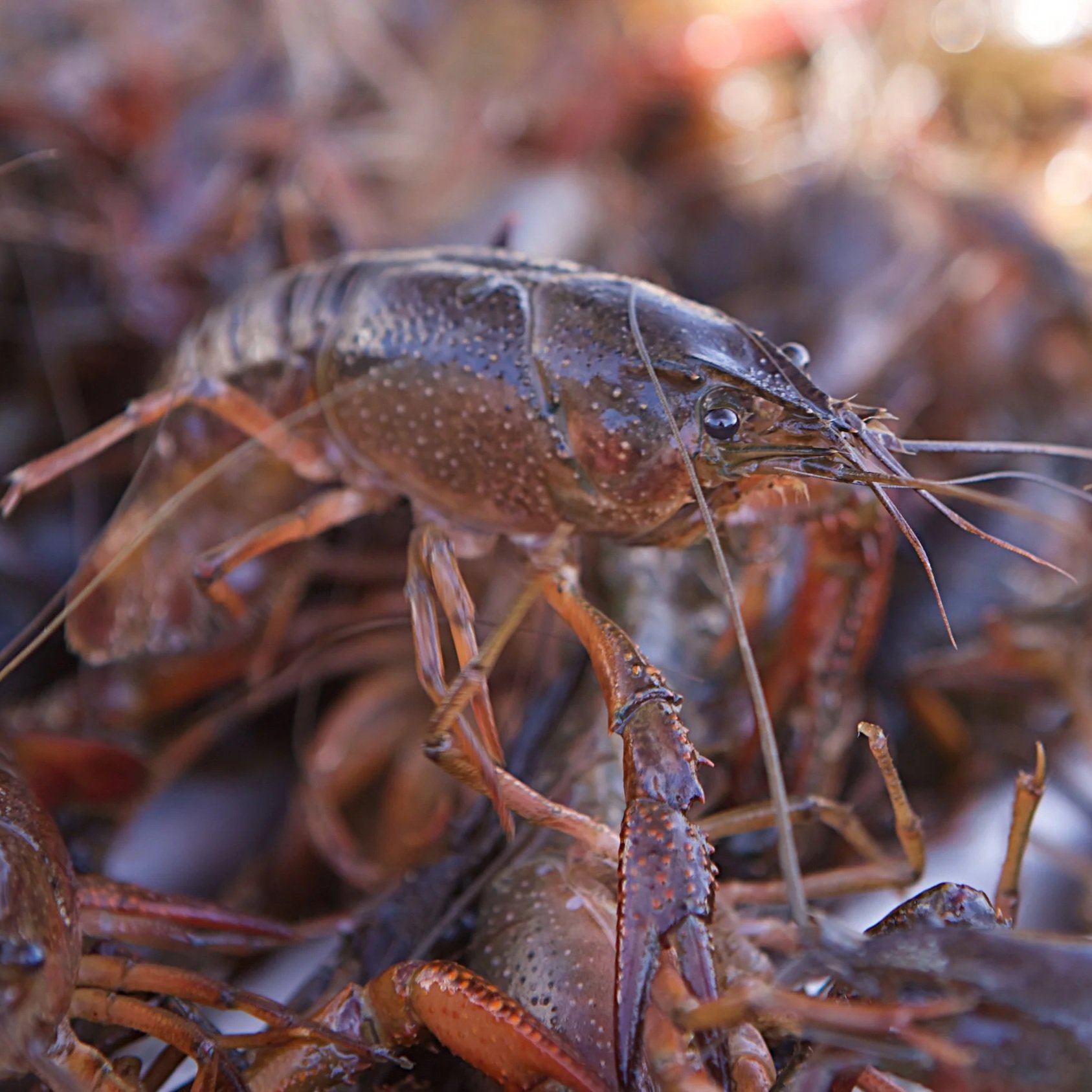
As crawfish season enters its final stretch in Louisiana, farmers and restaurant owners are reflecting on a year they say played out differently than expected, with shifting catches, unpredictable weather and mixed results across the industry.
Read More
New Louisiana Laws Target Unlabeled Foreign Seafood. Will Local Shrimpers Benefit?
Louisiana will soon see tougher regulations on imported seafood with the passage of a slew of laws designed to support the state’s shrimpers, whose industry has struggled for decades to compete with cheap foreign imports.
Read More
USDA Announces June 2026 Lending Rates For Agricultural Producers
The U.S. Department of Agriculture (USDA) announced loan interest rates for June 2026, which are effective June 1, 2026. USDA Farm Service Agency (FSA) loans provide important access to capital to help agricultural producers start or expand their farming operation, purchase equipment and storage structures or meet cash flow needs.
Read More
How Is U.S. Immigration Policy Hurting a Key Louisiana Industry?
Louisiana leads the country in crawfish production, bringing more than $300 million to the state each year. What happens when there aren't enough employees to get them to buyers?
Read More
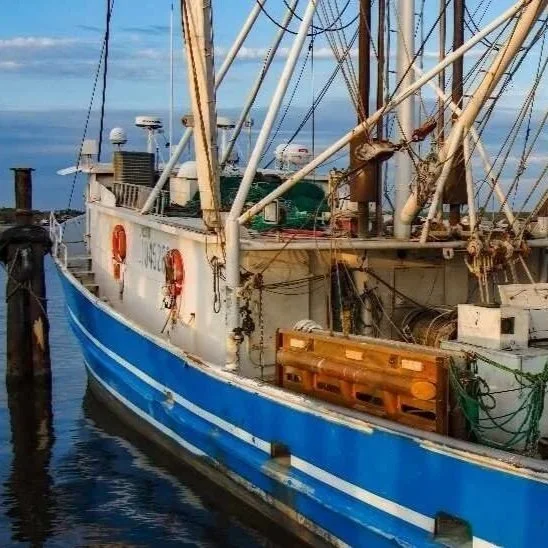
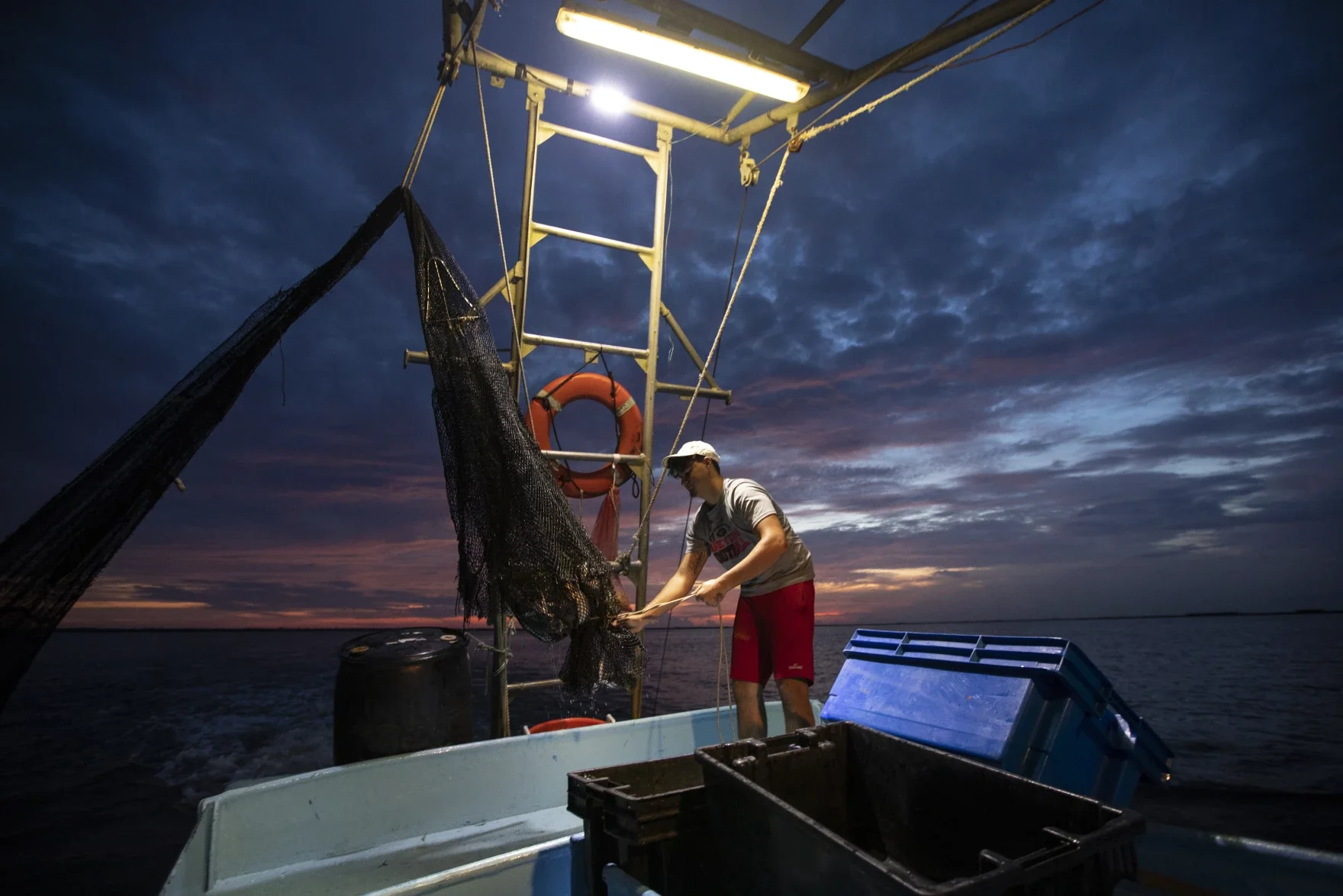
Gulf Shrimpers Want Help From Congress as Fuel Costs Climb
Diesel prices jumped from roughly $3.50 a gallon to more than $5 by spring, driven by the war with Iran and the closure of the Strait of Hormuz. For a shrimper already operating on slim margins, that's not just an inconvenience. It's an existential threat.
Read More
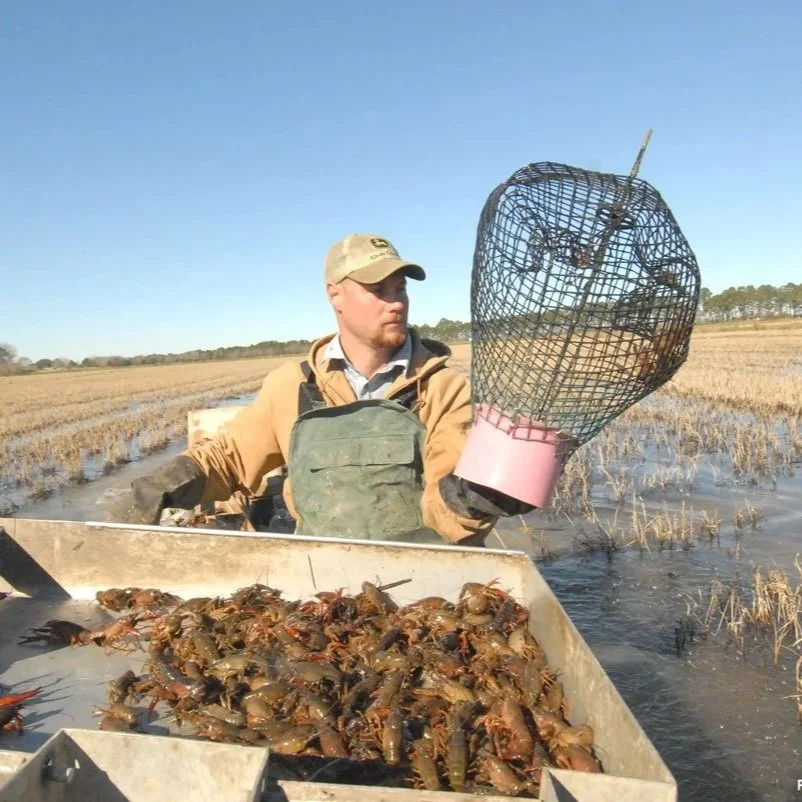
Louisiana Crawfish Farmers Are Wrapping up a Tough Season as They Shift Focus to Next Year’s Crop
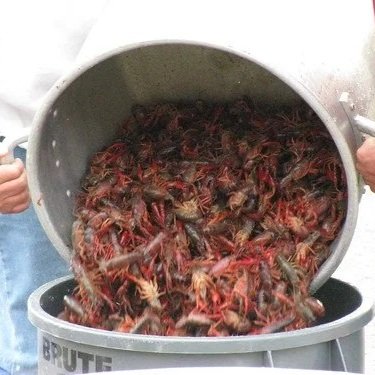
Crawfish farmers in south Louisiana are wrapping up the season on a subdued note, with many saying catches never reached the levels they had hoped for — and now turning their attention to restocking for next year.
Read More