
Second-Chance Corn: Northeast Louisiana Farmer Harvests Replanted Crop
By: Karl Wiggers
Louisiana Farm Bureau News
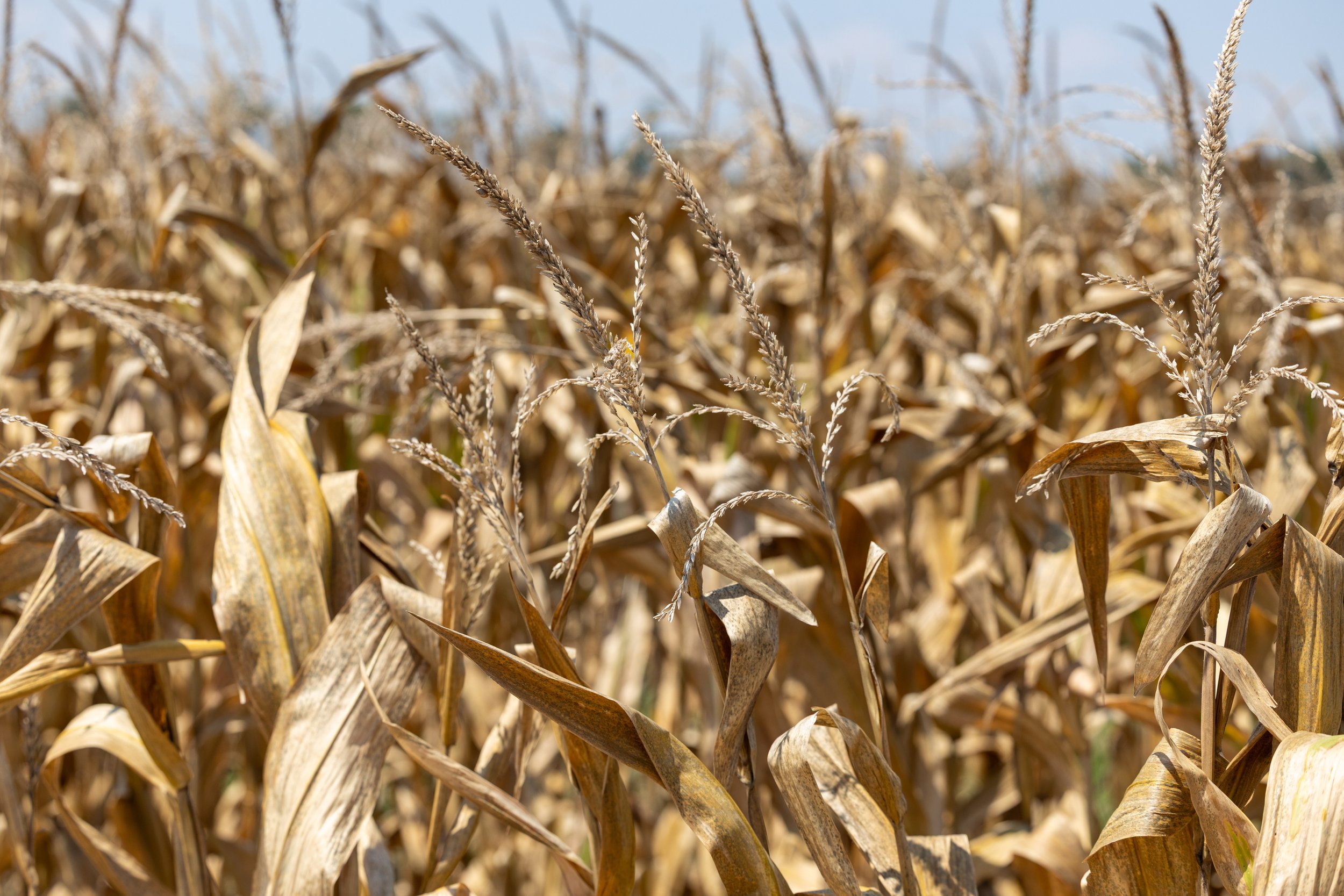
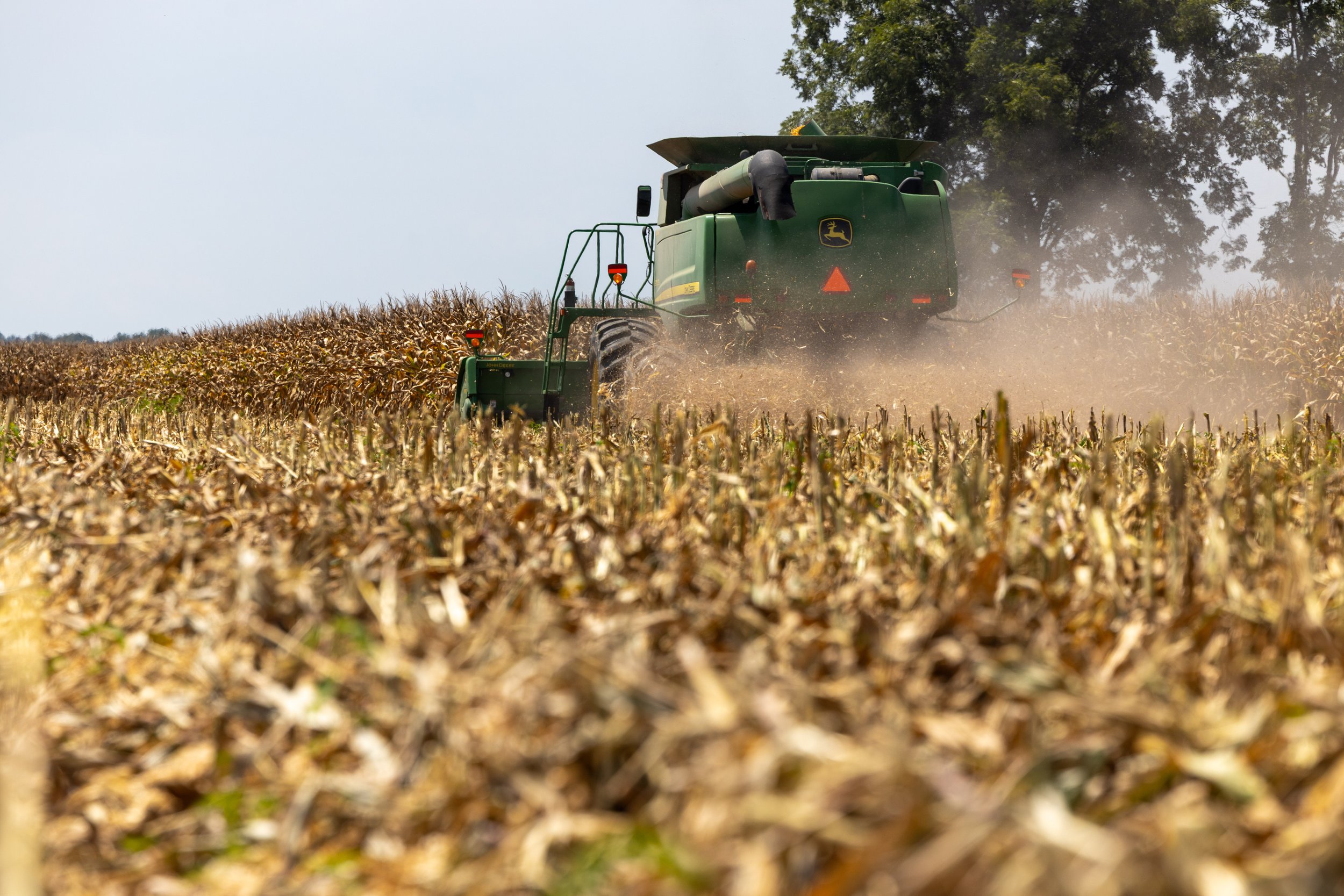
Corn harvest is rolling across Louisiana, but for Kam Harper, getting a combine into the field this year took two plantings and months of uncertainty.
Harper, owner-operator of Macon Ridge Planting Company in northeast Louisiana, is harvesting his second crop since taking over the operation. After working the same ground for several years, he eventually had the opportunity to rent and operate the farm himself.
One of his first major decisions as an operator came with a costly setback. Harper planted corn in early March after favorable weather. Then a mid-March freeze dropped temperatures into the upper 20s and damaged much of the young crop.
“We watched it really close for about a week,” Harper said. “It killed a lot of corn. We made a decision to kill the corn that was left standing and replanted everything.”
The second planting pushed harvest later into the summer.
“Combines are going everywhere--it feels like it’s corn harvest time,” Harper said. “But the freeze that happened back in March has pushed back the whole season.”
By early August, Harper was checking grain moisture while other combines were already moving across the region. The delay also brought another challenge: soybean harvest was getting closer.
“The longer we wait on the corn, the closer we’re getting to bean harvest,” Harper said. “And then, if I’m being honest, you start getting antsy when you see everybody else rolling.”
Farther south, the picture has been more favorable.
Grayson Close, grain marketing specialist with the Louisiana Farm Bureau Marketing Association, said much of the corn moving through the association this summer has come from south of Alexandria, including farms along the Red and Mississippi River corridors.
“The corn crop is looking pretty good,” Close said. “I think we are ahead of where we normally are at this point in the year.”
Close said the association recorded its second-largest July corn handle during his tenure, with some growers reporting strong yields.
That statewide optimism does not necessarily reflect what growers farther north experienced after the March freeze.
Harper said the replanted corn never looked quite as strong as he believed the original crop could have been. Ultimately, he said, the true measure would not come until harvest.
“You don’t really know until you get it in the machine and get it across the scale,” Harper said.
His expectations are modest.
“I’m hopeful for an average crop,” Harper said. “It’s not going to be what it could have been if Mother Nature wouldn’t have banged us. But I’m still hopeful that it’s going to be an average crop, and I’m not down and out yet.”
In the current farm economy, an average crop can still carry a lot of weight. Harper said high production costs have forced him and his employees to watch expenses closely.
“I’d love to cut bumper yields and, you know, coffee-table yields that you can brag on,” Harper said. “But at the end of the day, we’re trying to feed our families, and we’re trying to make ROI — return on our investment.”
Along with corn and soybeans, Harper planted about 100 acres of cotton on his roughly 1,100- to 1,200-acre operation. He grew up on a family cotton farm and said he misses seeing the crop across the region.
“I miss it, and I miss seeing it around,” Harper said. “I miss being in it. I miss when this was cotton country.”
For now, however, his focus is on corn. After losing the first planting and putting a second crop in the ground, harvest is finally providing the answer he has been waiting for.
The crop may not be what Harper originally hoped for, but after the season he has had, getting it into the combine still feels like progress.