
Southern University Demonstration Farm Reconnects Visitors to Agriculture
By: Karl Wiggers
Louisiana Farm Bureau News
BATON ROUGE, La. — Behind Southern University’s greenhouse building, rows of tomatoes, peppers, flowers and other seasonal crops are helping reconnect people with agriculture one garden bed at a time.
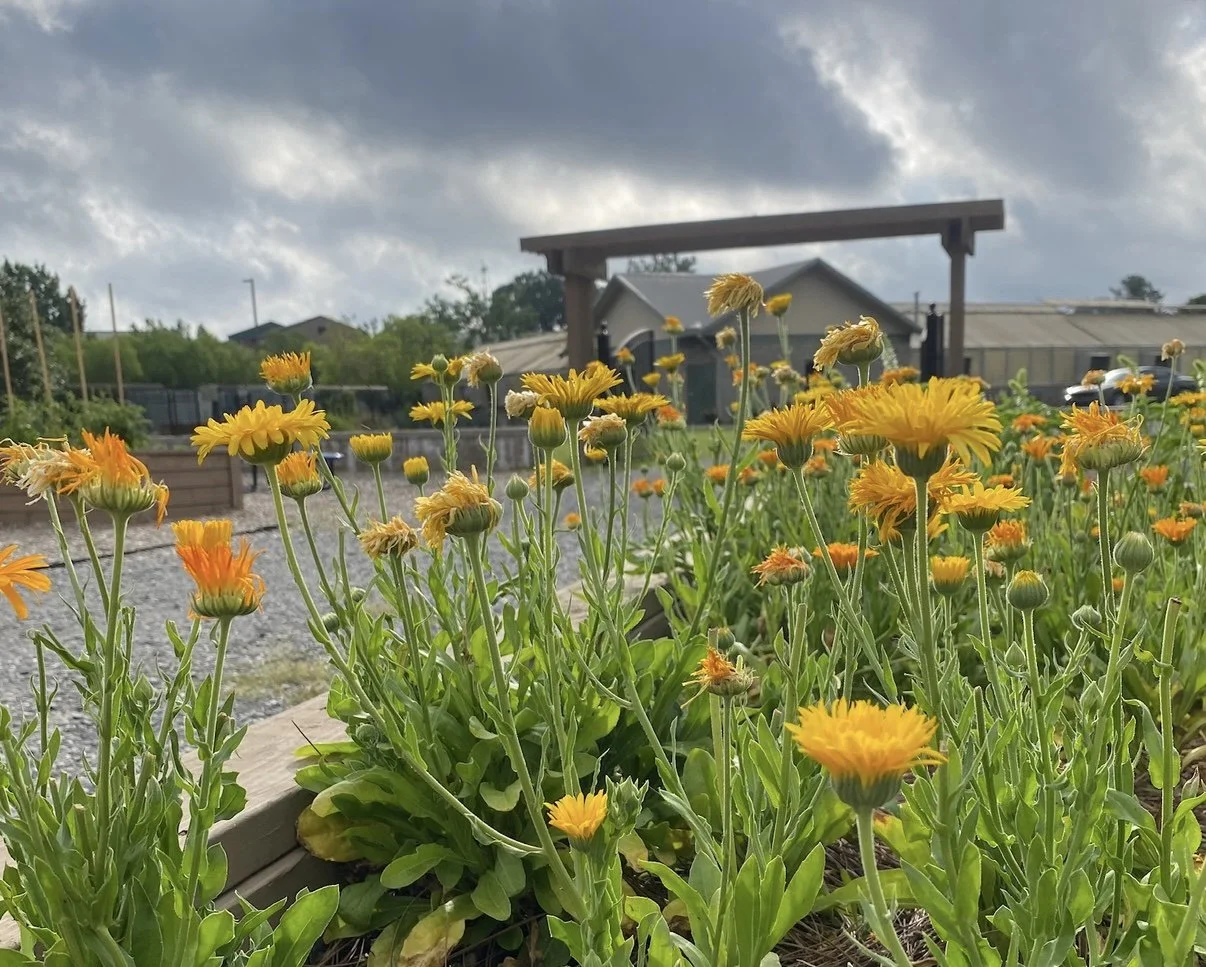
The Southern University Ag Center officially opened its Demonstration Farm on July 1. Designed as a living classroom, the farm gives students, extension agents and community members hands-on experience growing food while demonstrating techniques that can be adapted for backyards, schools, churches and neighborhood gardens.
“This is a space where people can come and learn, ‘Hey, I want to do something at my house. I want to do something at my church. I want to do something in my neighborhood. How can I go about it?’” said Stephanie Elwood, the Ag Center’s Agriculture and Natural Resources program leader and horticulture specialist. “Well, you have options. You can do raised beds. You can do in-ground.”
During its first spring planting, students and staff grew tomatoes, cucumbers, bell peppers, squash, onions, hibiscus roselle, serrano peppers, sunflowers, zinnias and other seasonal crops while teaching visitors about planting techniques, soil preparation and crop care.
The Demonstration Farm also supports Southern University’s land-grant mission by providing space for student research, workshops, tours and field trips. The farm trains extension agents who carry research-based information to farmers and gardeners throughout Louisiana.
“We have a small but mighty staff right now, but we do have a reach throughout the state of Louisiana,” Elwood said. “The more that we can know, the more equipped they can be going out into the field and giving confident advice.”
For garden instructor Yasmyne Wells, the farm is also a place to introduce young people to an experience many of them have never had.
Wells helps oversee planting, watering, weeding and harvesting while working with the Ag Center’s Out the Mud program, which uses gardening and greenhouse activities to engage adjudicated youth.
She said many students arrive hesitant because of the heat, insects or the thought of getting dirty, but that quickly changes once they begin working.
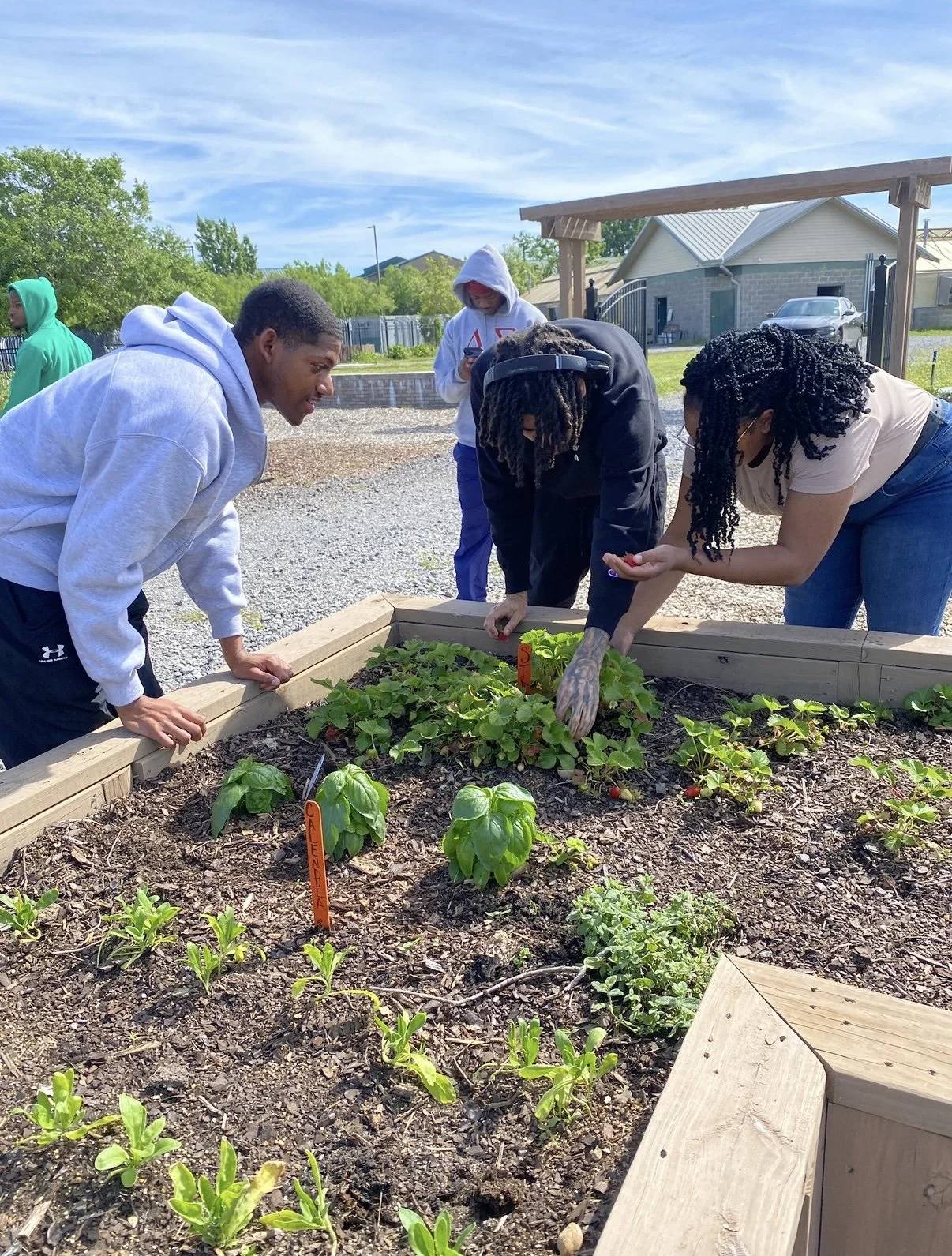
“It’s like they just open up and kind of just let loose, and they literally have no problem with getting their hands in the dirt, and they don’t care about the bugs anymore,” Wells said. “It’s very, very rewarding to bring them out of their comfort zone and bring them in a space that they may not be very familiar with.”
Elwood said she has seen similar transformations in students throughout her nearly 15 years with the Ag Center. The farm provides young people an opportunity to learn about gardening, fresh food and the natural world around them.
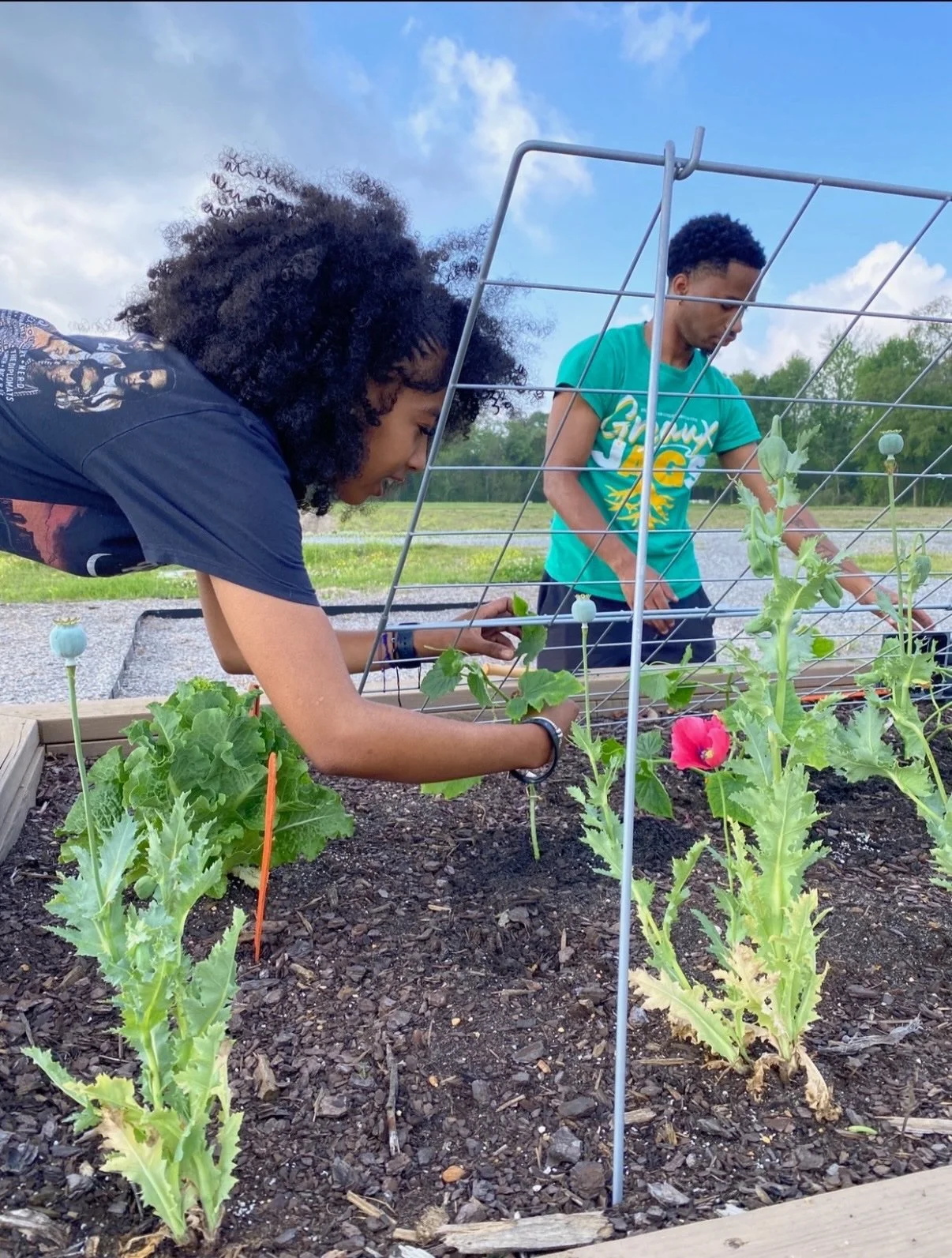
“I think it is such a beautiful thing to introduce a child, a young person, to a garden because a garden has so many benefits,” Elwood said. “I think it is one of the greatest tools that we have that we can introduce to young people, particularly young people in the city that may not have that connection with nature as much as a young person in the country.”
For Elwood, the Demonstration Farm is about more than teaching planting dates or production methods. It’s about helping people reconnect with the land and understand where their food comes from.
“At some point, all of our ancestors grew their own food, and we’ve become so disconnected from that,” Elwood said. “So we invite people to come out here and remember that.”
The Demonstration Farm is open to visitors, with educational tours and field trips available by appointment and was developed with funding from the U.S. Department of Agriculture’s National Institute of Food and Agriculture.