
Where Agriculture Runs Deep: Amelia Kent’s Story
By Anna Holmes
Louisiana Farm Bureau News
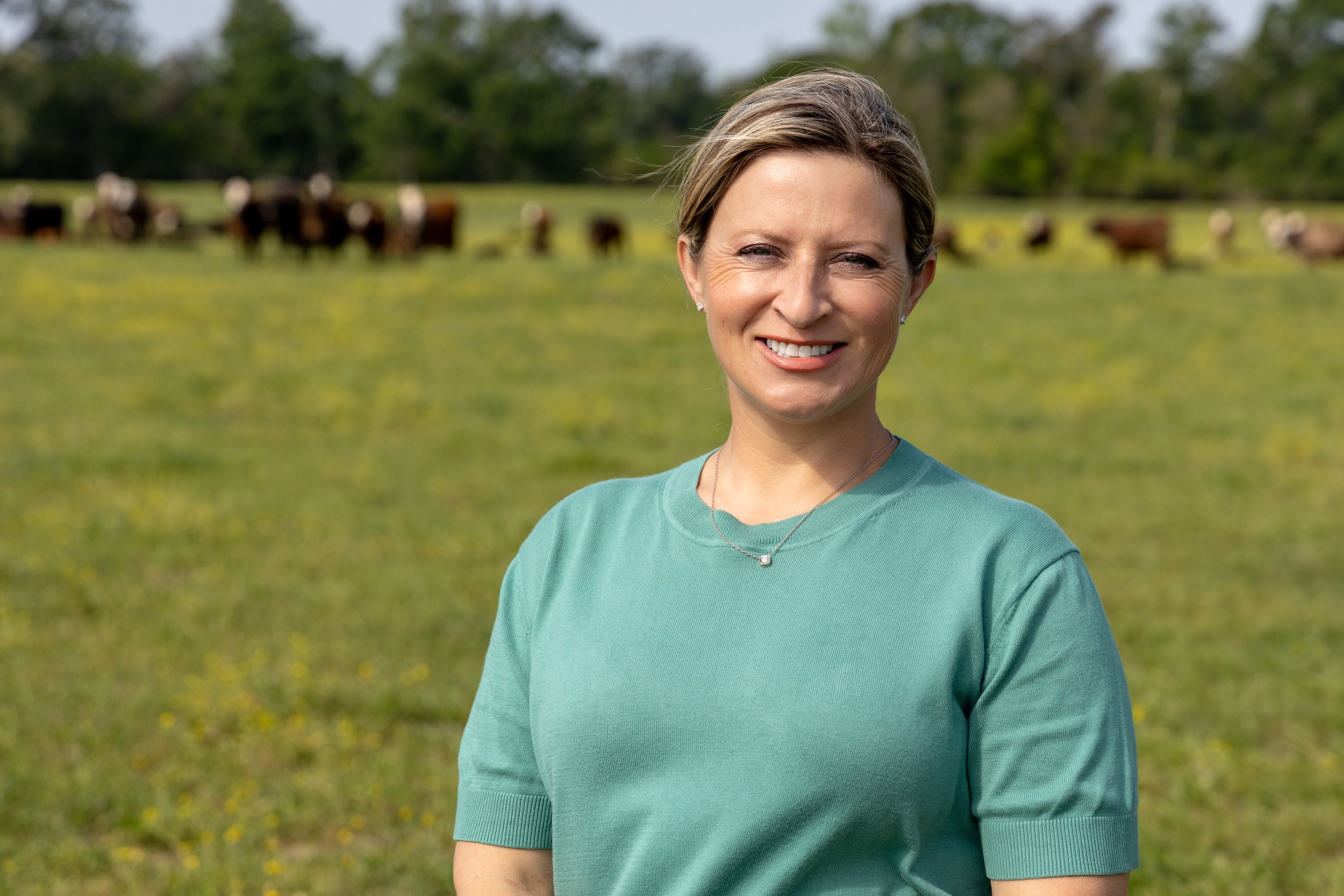
For Amelia Kent, agriculture has never been just a career. It is a way of life shaped by family, cattle and a lifelong connection to the people who grow and raise the food that ends up on our tables.
Today, Kent and her husband, Russell, raise beef cattle in and around Clinton, Louisiana, where she manages their cattle operation while also serving as the third vice president of the Louisiana Farm Bureau Federation.
But Kent’s connection to agriculture began long before she started her own cattle operation. Her childhood was divided between two very different agricultural worlds: ranching in Colorado and farming in Louisiana.
“My interest in agriculture really started when I was a small child,” Kent said. “My parents were a first-generation ranching business in Colorado.”
Growing up, Kent was surrounded by ranching. She recalls helping with ranch activities as a child, from loading semis to spending time around feed yards. After college, she originally planned to return to Colorado and raise cattle with her father. When those plans did not work out, she returned to Louisiana, where she continued raising cattle with her family and eventually built an operation of her own.
“I cannot pinpoint when my interest in agriculture started,” Kent said. “It kind of sounds like I was born into it.”
That upbringing also shaped Kent's perspective on the role women can play in production agriculture. She grew up watching her mother and grandmother work in the industry and remembers seeing women take hands-on roles in ranching.
In Louisiana, her grandmother was involved in the family’s wholesale plant nursery and became well-known as a propagator. She later became the first woman inducted into the Louisiana Agriculture Hall of Distinction, another example of the women who helped shape Kent’s view of agriculture from an early age.
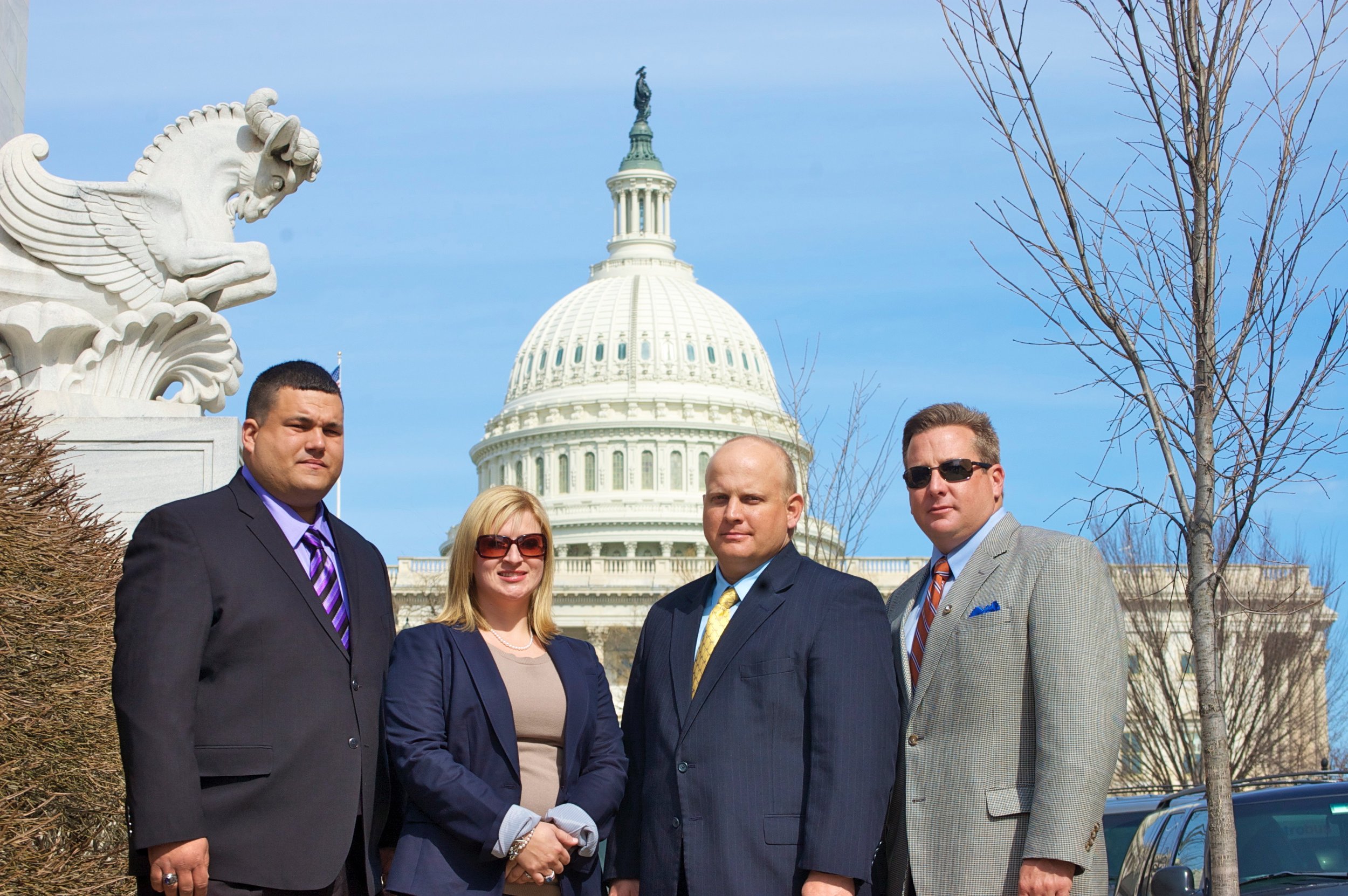
Those experiences helped guide Kent’s own path as a producer and advocate. Through her cattle operation and involvement with Farm Bureau, she has found opportunities to represent producers and bring their perspectives to conversations about agriculture.
“I recognize I have a unique perspective,” Kent said. “I can be in a pasture or sitting on a tractor and have a dialogue with Congress or their staff about whatever legislative topic of the day is bothering me.”
For Kent, advocacy is about making sure the people making decisions understand the realities facing those who produce food. Her motivation grew in part from recognizing that many people, even those with little connection to agriculture, do not understand what happens before food reaches the grocery store.
That truth continues to guide her involvement with Farm Bureau, where she works alongside farmers and ranchers representing commodities and communities across Louisiana.
And while Kent spends much of her time advocating for agriculture today, she is also watching the next generation discover the same way of life. Her daughter, Avery, already enjoys spending time on the farm and chasing cows on horseback alongside her family.
“If this is something that keeps her interest into adulthood, then we’ll do everything we can to make a way for her,” Kent said. “And if she wants nothing to do with agriculture and wants to do something completely unrelated, we’re happy with that, too.”
Whether she is working cattle, serving fellow producers or introducing her daughter to life on the farm, Kent continues a family tradition that spans generations and geography.
For her, agriculture is not just about what happens on the farm. It is about understanding where food comes from, giving producers a voice and helping ensure that the next generation knows there is a place for them in agriculture, too.