
Growing More Than Crops: Allen McLain Builds a Future in Louisiana Agriculture
By Anna Holmes
Louisiana Farm Bureau News
For Allen McLain Jr., farming is about more than producing a crop. It is about caring for the land, feeding communities and building a future rooted in agriculture.
A rice farmer and crawfish producer in Abbeville, McLain has built an operation that reflects both tradition and innovation. Alongside his wife, Erin, he manages the challenges of farming in South Louisiana while finding new ways to connect consumers with the products they grow.
“I am a person that cares for the land. I enjoy what I do. We feed local communities,” McLain said.
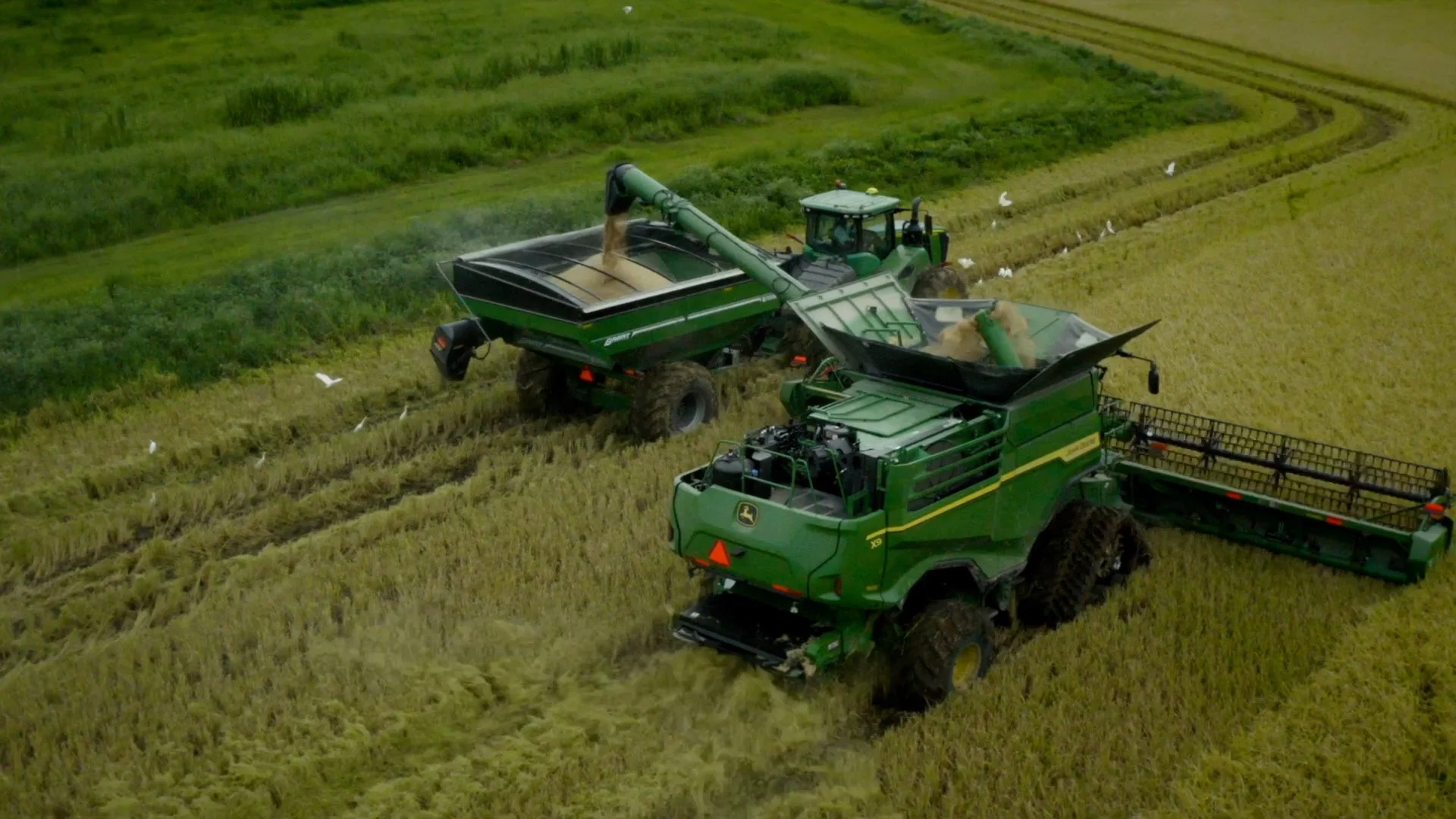
Like many farmers, McLain knows each growing season brings its own challenges. For South Louisiana rice farmers, much of that uncertainty comes from something beyond their control: the weather.
“The hardest thing about growing rice in South Louisiana is really Mother Nature,” McLain said. “You don't know what she's going to throw at you. One day there can be a forecast that says it's clear blue skies, and next thing you know, you're getting an inch of rain.”
McLain has experienced seasons at both ends of the spectrum. One year brought drought conditions that caused rice to dry quickly in the fields, while another brought more typical conditions, with timely rainfall and wet weather that slowed harvest.
“This is a completely different harvest than we had last year where we were in a drought,” McLain said. “We were just blowing and going straight through. Rice was almost burning up in the fields because it was so dry and it was ripening so fast.”
Despite the uncertainty, McLain said rice is a resilient crop that can withstand challenging conditions during certain stages of the growing season.
“The rice is a very tough crop that can handle a lot of rain in certain times of the growing season,” he said.
Throughout the season, McLain monitors his fields to ensure the crop remains healthy. Before harvest, farmers scout fields for disease and evaluate plant conditions to determine how the crop is progressing.
Once the rice is ready, combines move through the fields, separating the grain from the plants before it is transported for drying and milling.
For McLain, the process represents a connection between Louisiana farms and consumers across the country.
“As a consumer, what you need to be looking for in grocery stores is where does your rice come from,” McLain said. “It’s real important to us that you eat local rice.”
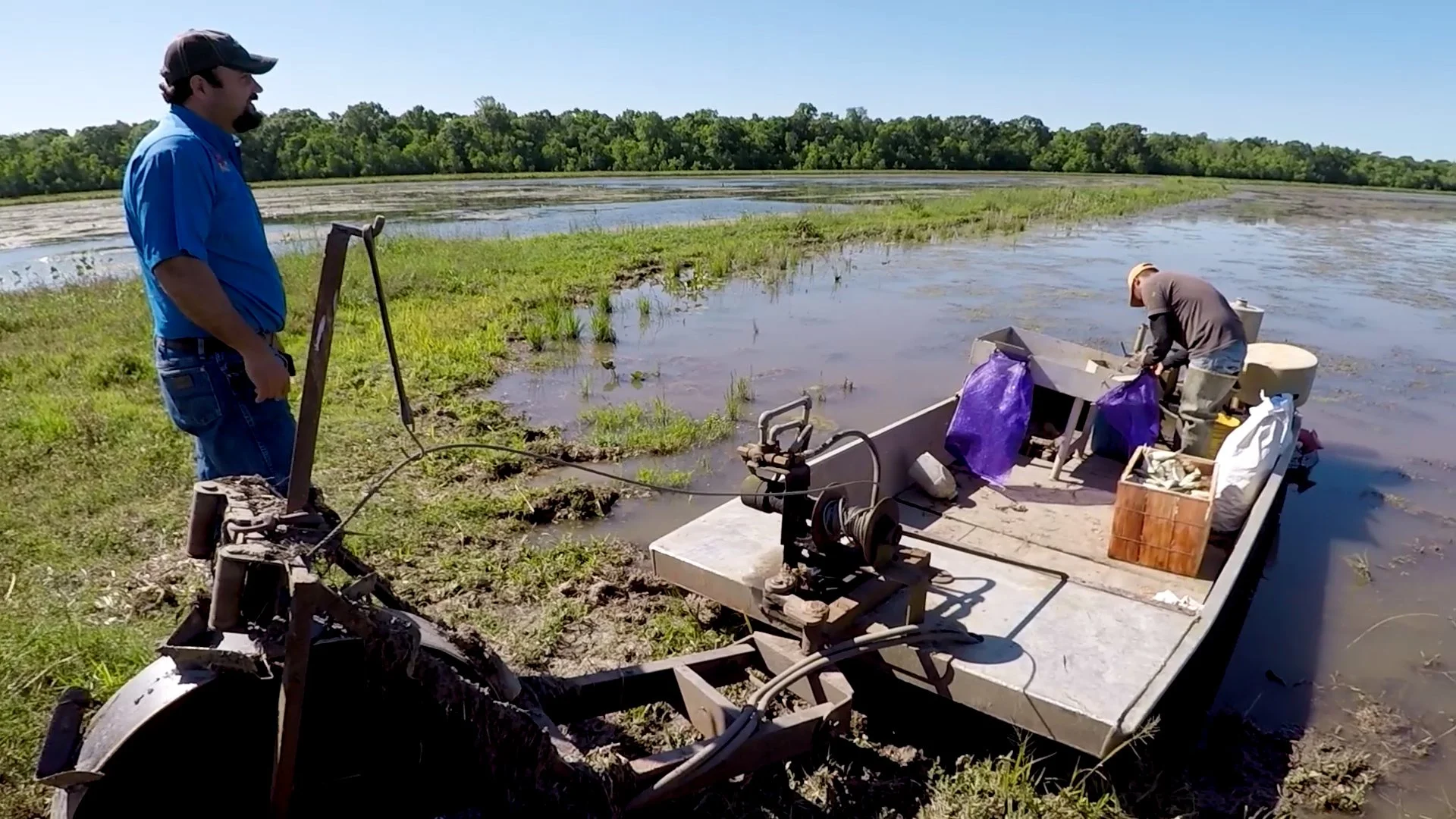
Rice is not the only product coming from the McLain operation. The family also raises crawfish and has created another avenue for sharing Louisiana seafood through its business, Pro Boil.
The business prepares crawfish, shrimp and crabs for residential and commercial customers, as well as special occasions, creating another way to connect consumers with Louisiana-grown and harvested products.
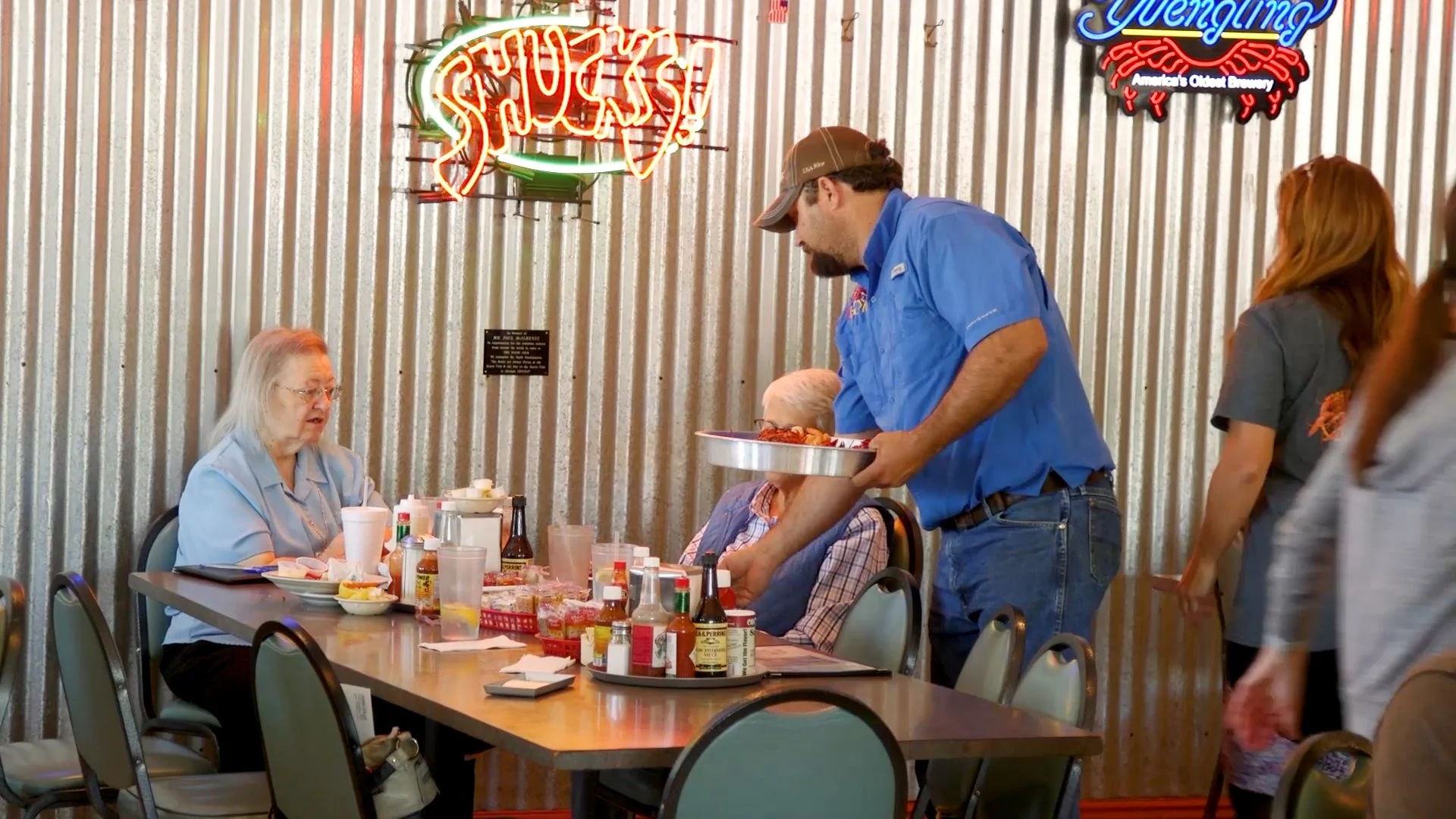
Their work has also fostered relationships with local businesses, including Shucks restaurant in Abbeville. After McLain brought his first crawfish crop to the restaurant, the two businesses began working together to provide customers with locally grown products.
“Allen brought his first crop into the restaurant and he said, ‘What do you think about these?’” said David Bertrand, co-owner of Shucks. “And I’m like, Allen, if you can supply this kind of product, we’re going to be doing some business together.”
For McLain, relationships like this offer an opportunity to connect directly with consumers while creating another source of income for his farming operation.
“Consistency is the key,” Bertrand said. “This relationship allows us that consistency.”
“It’s a relief just to know that you have other things coming in and not to just rely on a commodity that we put so much into,” McLain said.
Behind the operation is a family effort. While Allen is often found in the fields and ponds, he credits Erin with helping keep the business running.
“My wife is the backbone of this,” McLain said. “She just helps in every way."
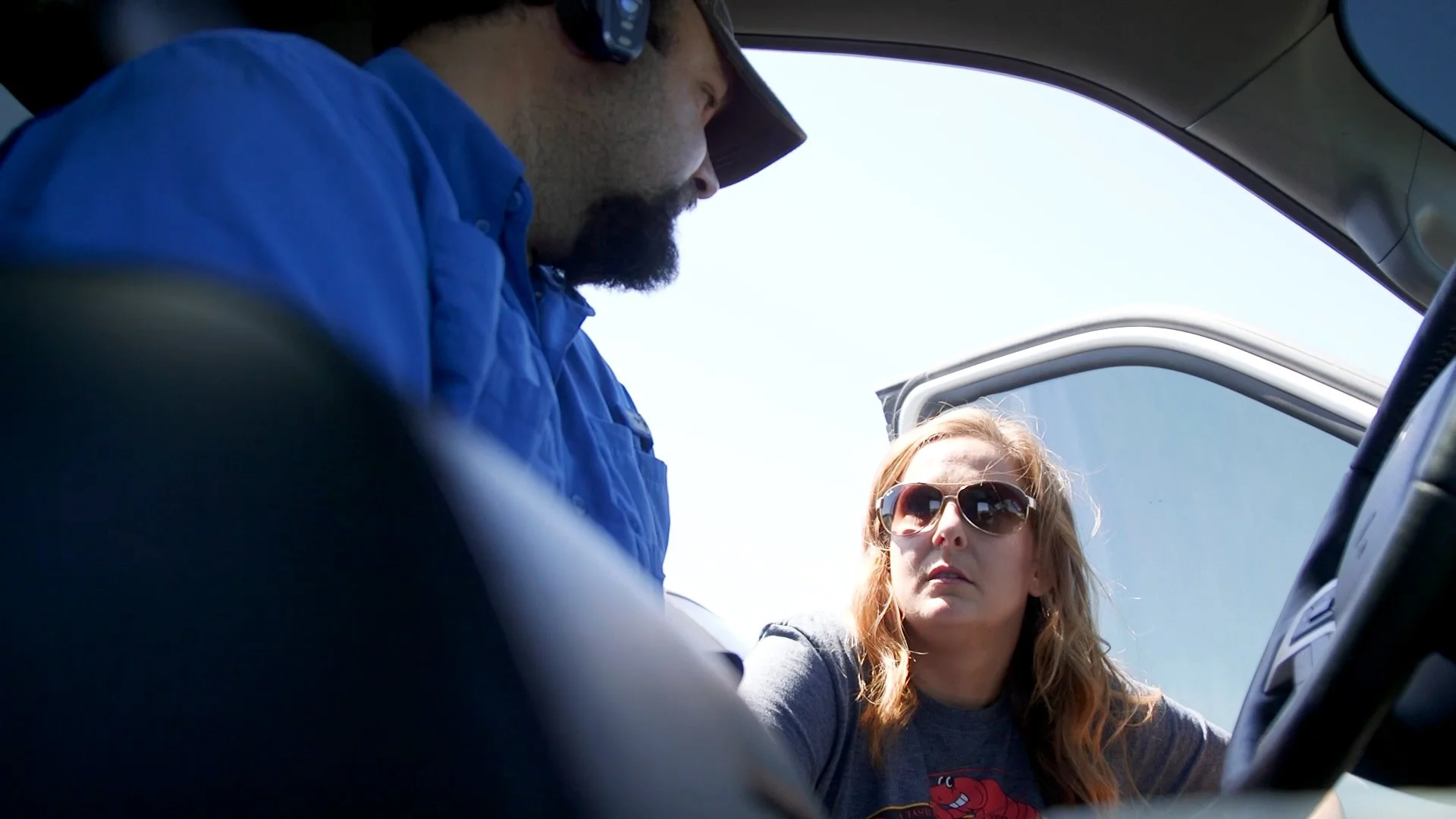
From rice fields to crawfish ponds, the McLains represent the Louisiana farm families working to provide food for their communities. Their operation reflects the adaptability required to navigate an unpredictable growing season and the importance of connecting local producers with the people they feed.