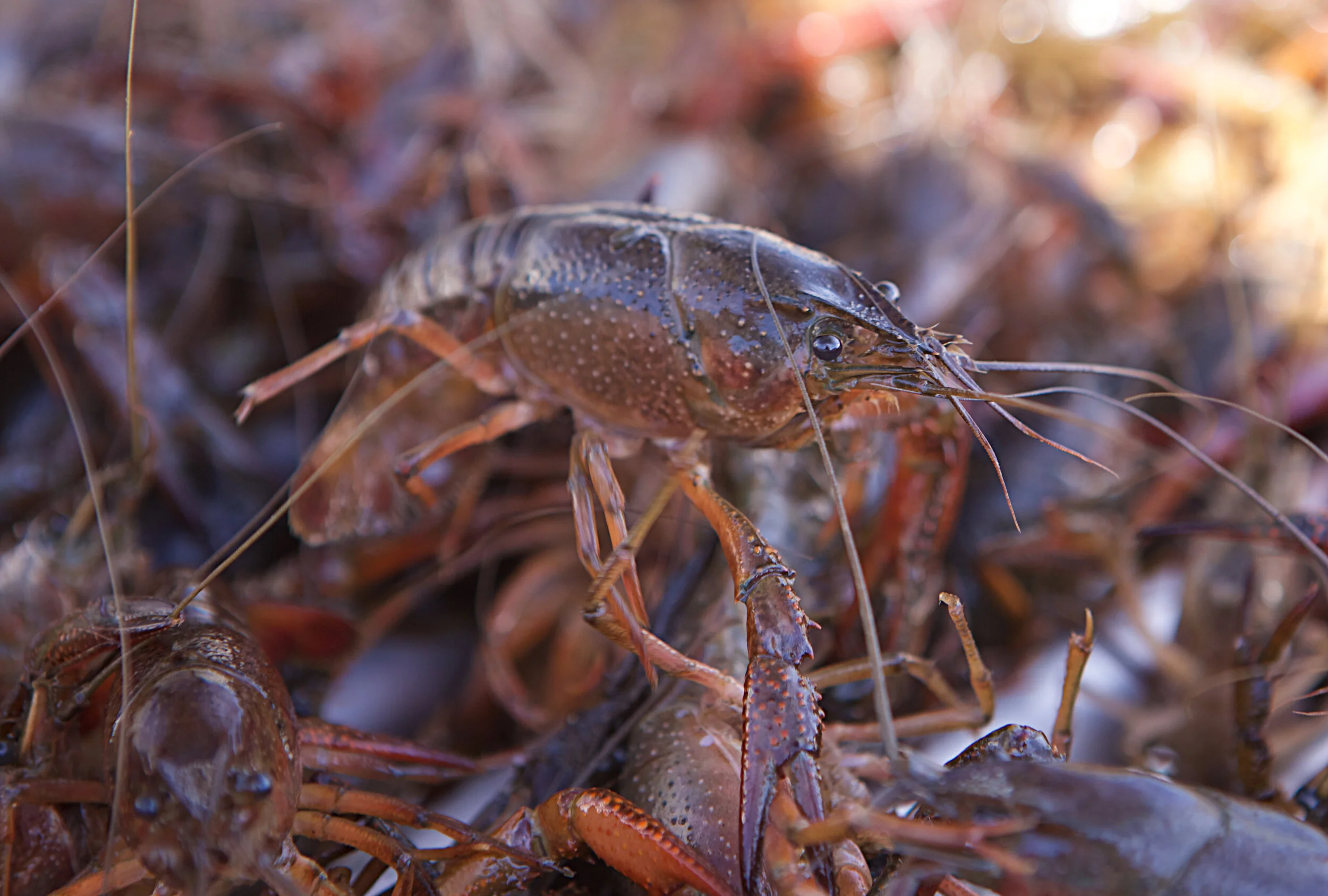
How Frugé Aquafarms Produces Over One Million Pounds of Crawfish Each Year
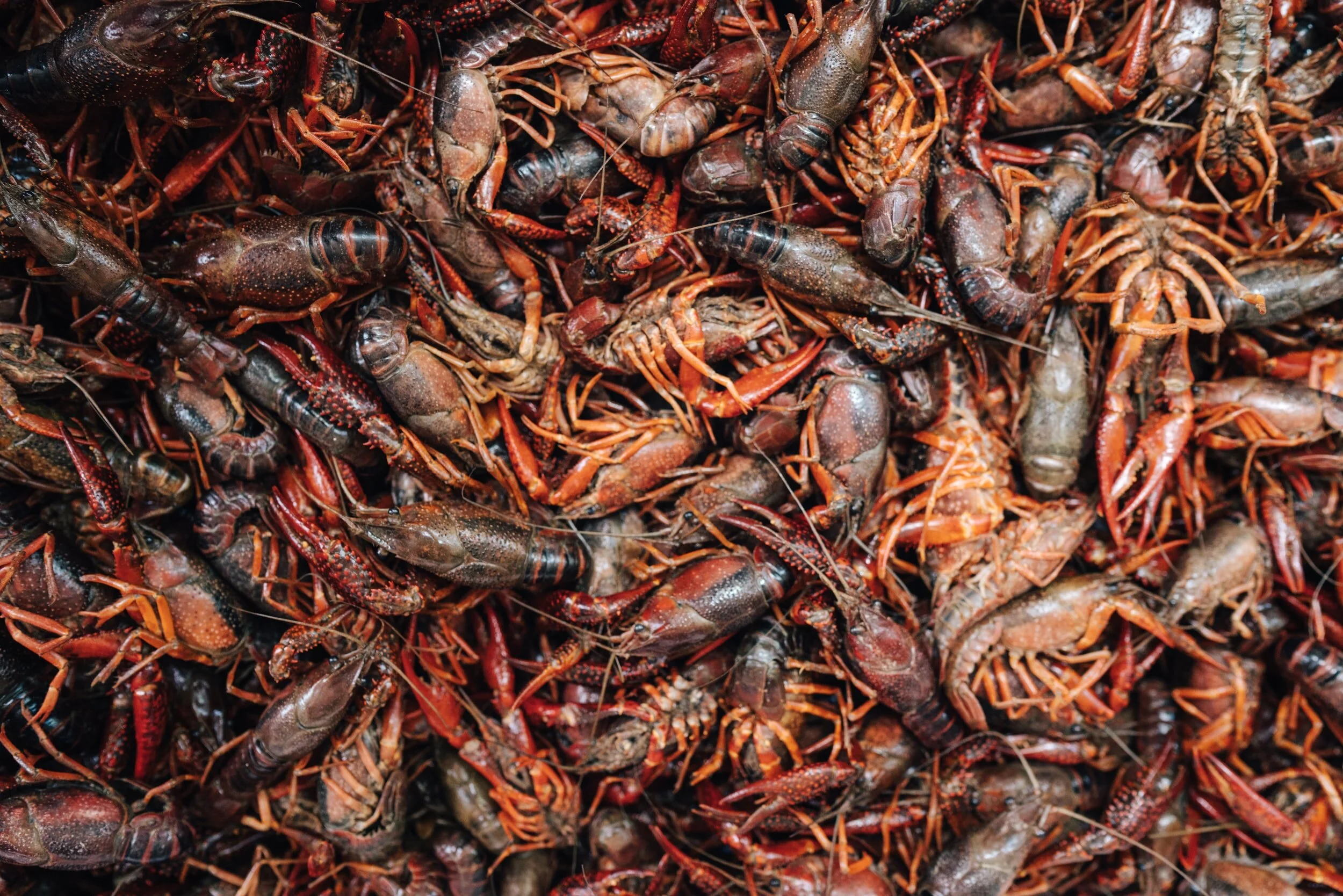
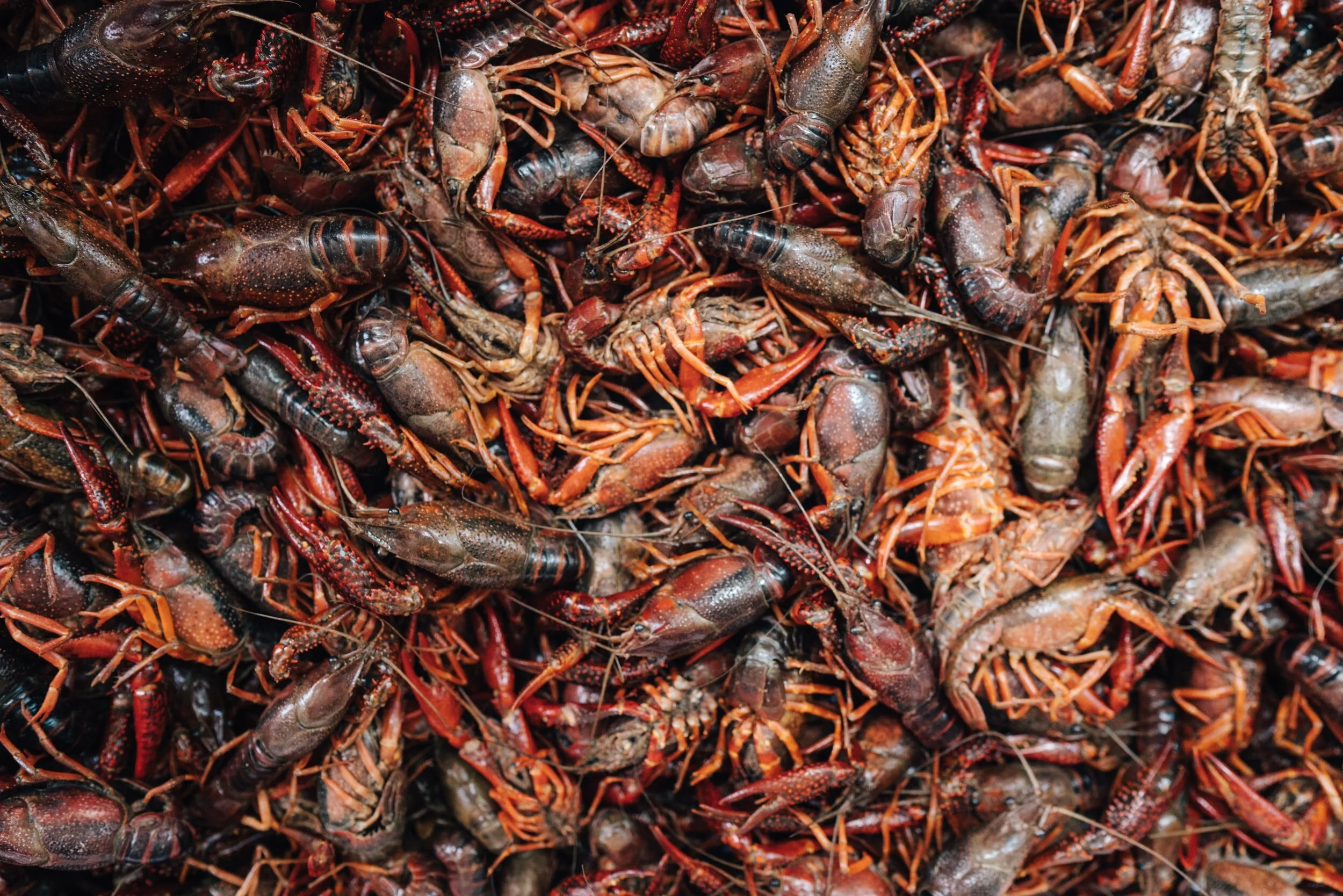
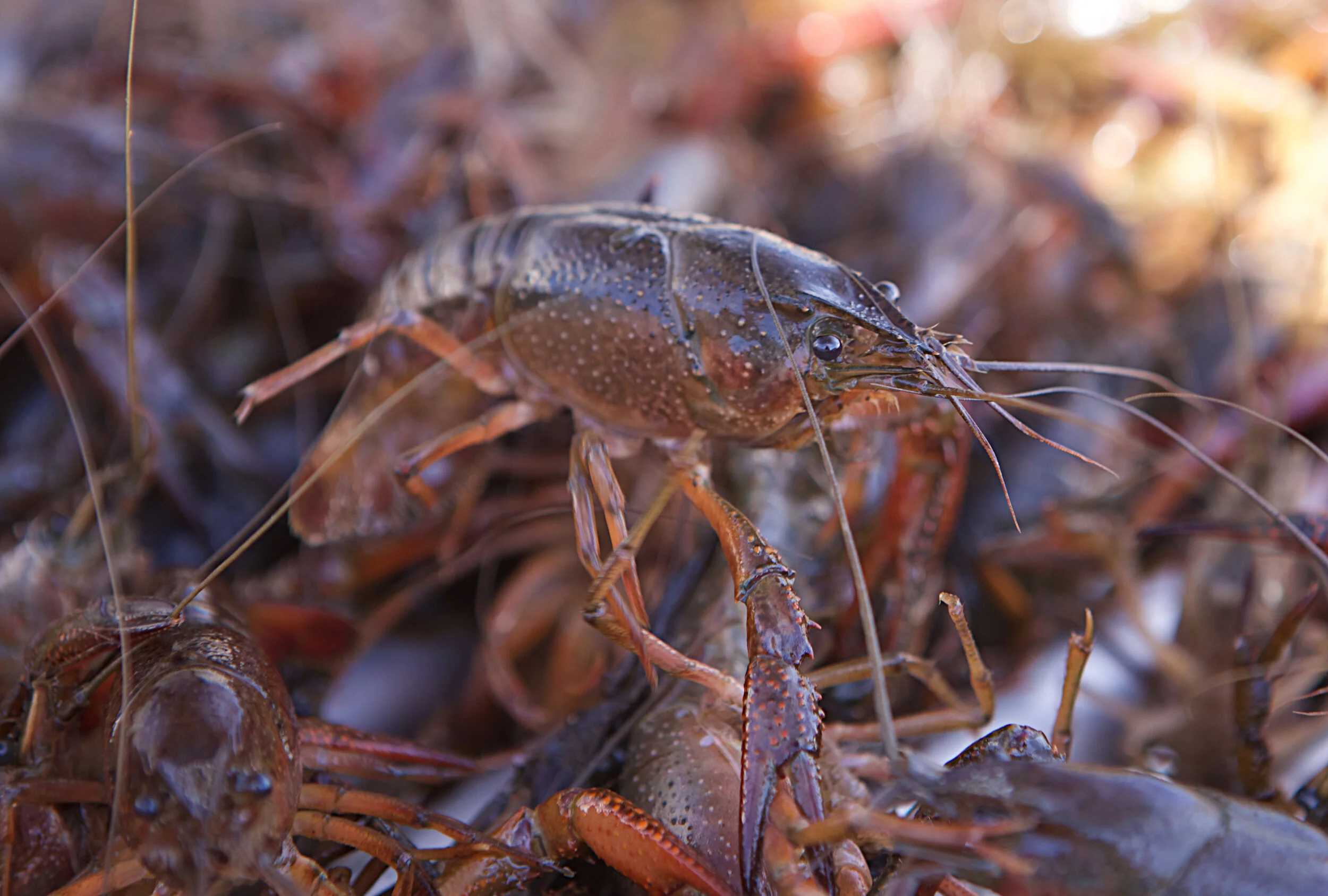
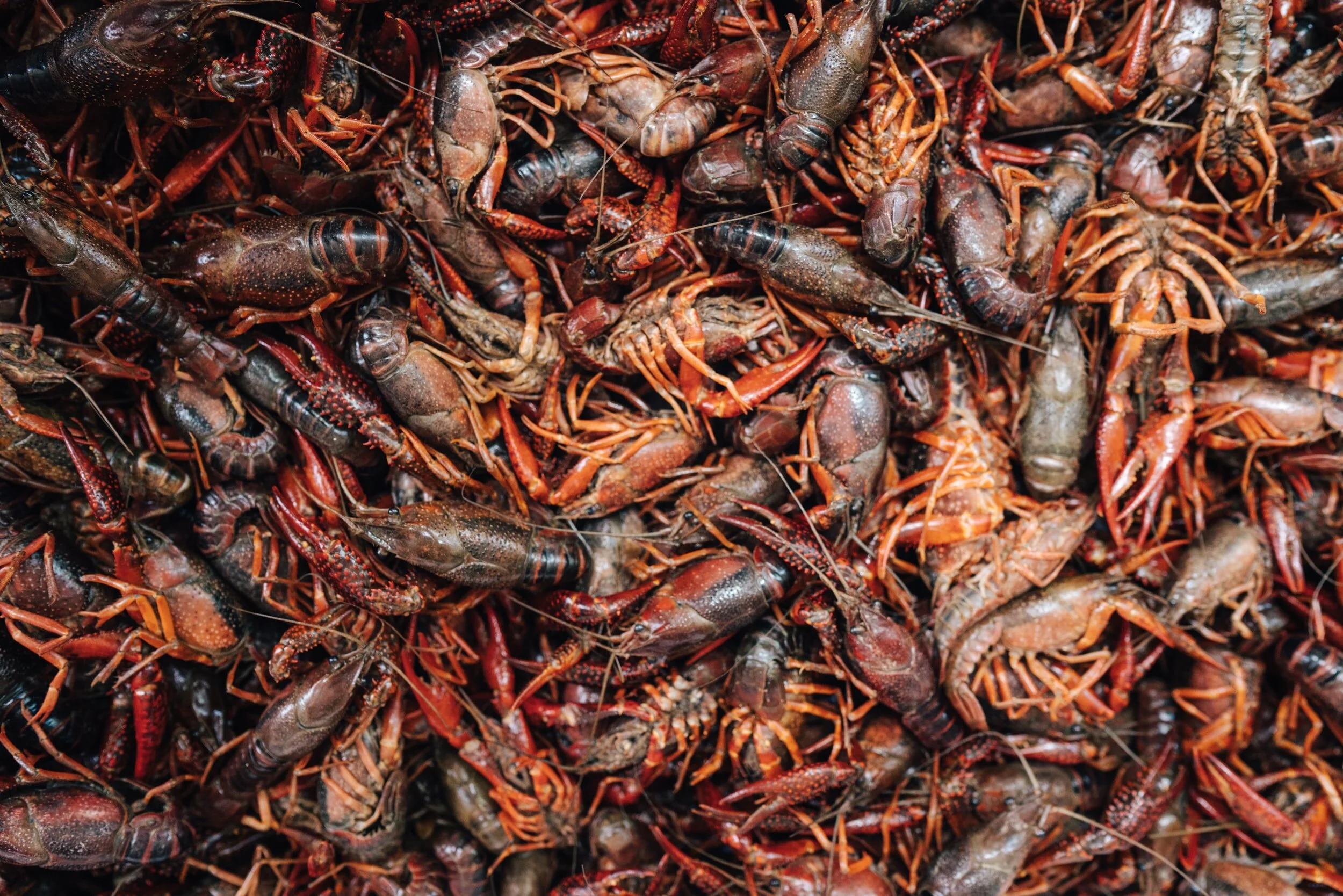
Host Daniel Geneen learns about growing, harvesting, and eating crawfish from Louisiana farmer Mike Frugé figured out that the two year growing cycle of crawfish synced perfectly with the two year cycle of the rice crop. Now, rice fields are seeded with baby crawfish every other year, creating a new source of food and income for farmers. Host Daniel Geneen visited the farm in Louisiana to see how over a million crawfish are harvested each year.
Read More
Crawfish Boils Land Rookies in Hot Water
As a rule, crawfish from the Frugé family farm never went far in life.
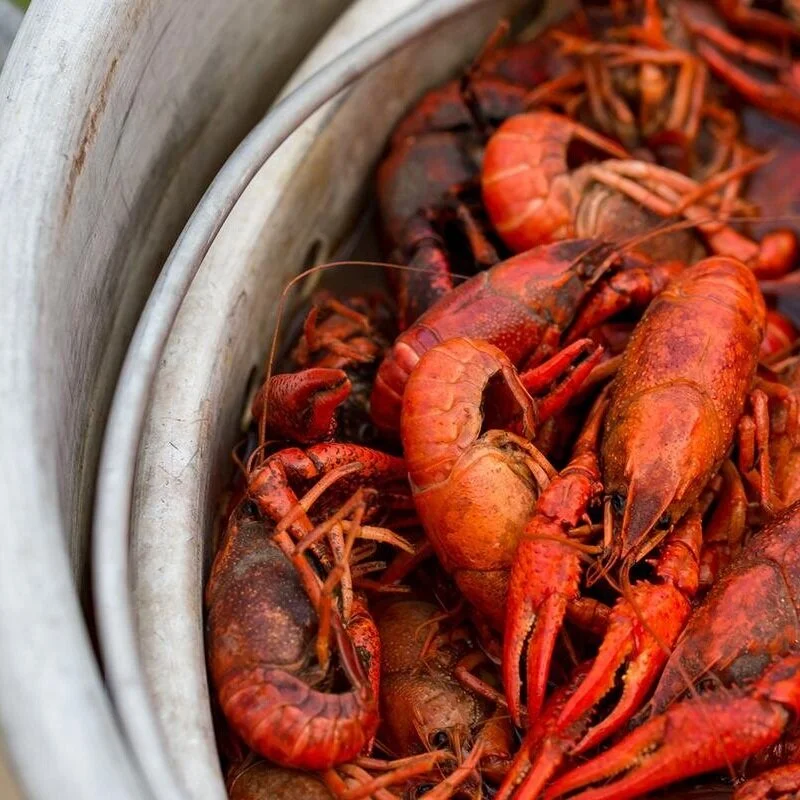
This season, though, more of them are landing everywhere from San Francisco to New York City, including households with no clue how to handle the crustacean—which arrive still kicking—much less how to cook and eat them.
Read More
Here's How Louisiana Oyster Farmers Can Apply For State Grants to Expand New Harvesting Methods
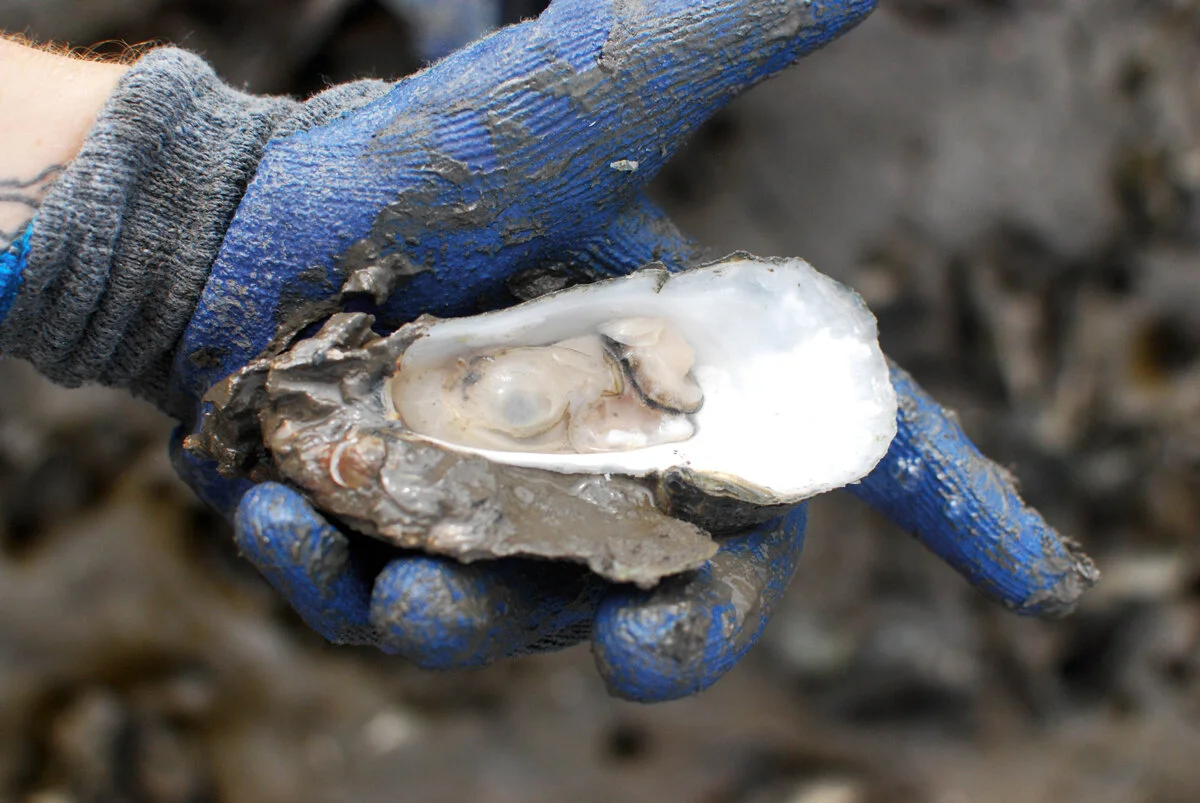
Louisiana oyster farmers can apply for grants designed to expand the use of new harvesting methods.
Louisiana Sea Grant has received $3 million for the program. The money comes from the state Wildlife and Fisheries Department and the Louisiana Coastal Restoration and Protection Program.
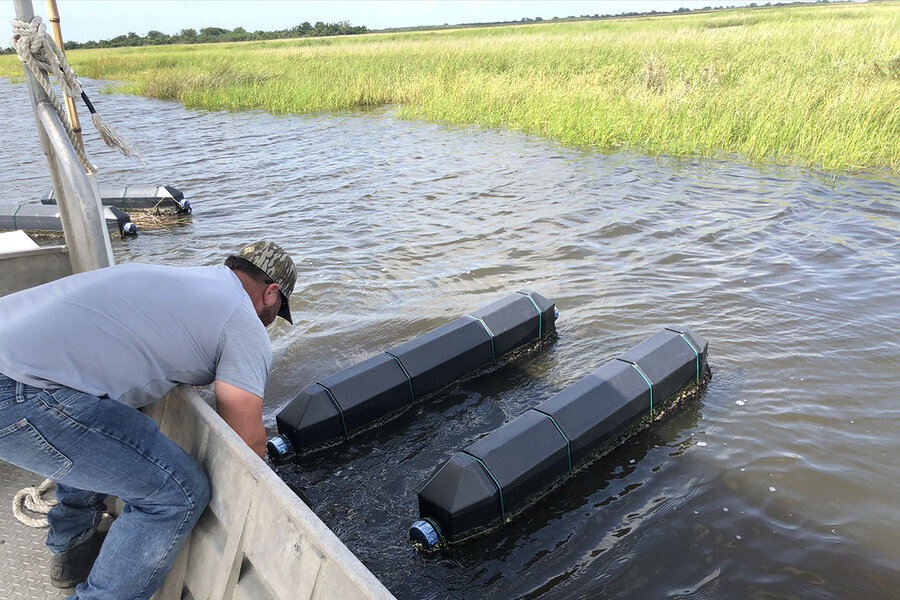
For more than a decade, Sea Grant has experimented with growing oysters in floating cages or cages placed on waterbottoms and attached to pylons in a project at Grand Isle. The method allows the cages to be raised and lowered to protect oysters from predators, fouling and the burial effects of disasters like hurricanes.
Read More
An Oysterman’s New Worry: Will State’s Coastal Plan Wash Out His Business?
Sun-kissed lines frame Terry Shelley’s face like high tide stains a fishing dock. Today, those creases seem deepened by anger, but it’s the tone of his voice that gives it away.
Mr. Shelley has spent his entire working life as a commercial fisherman. Before he was a full-time oyster farmer and harvester, he spent the first part of his career harvesting shrimp and reef fish. He’s seen a lot, but not a pileup of challenges like now.
Read More
The United States Crayfish Market to be Driven by Rising Demand for Different Forms of Crayfish in the Forecast Period of 2021-2026
The new report by Expert Market Research titled, ‘United States Crayfish Market Size, Share, Price, Trends, Growth, Report and Forecast 2021-2026’, gives an in-depth analysis of the United States crayfish market, assessing the market based on its segments like type, major production regions, and consumption regions. The report tracks the latest trends in the industry and studies their impact on the overall market. It also assesses the market dynamics, covering the key demand and price indicators, along with analyzing the market based on the SWOT and Porter’s Five Forces models.
Read More
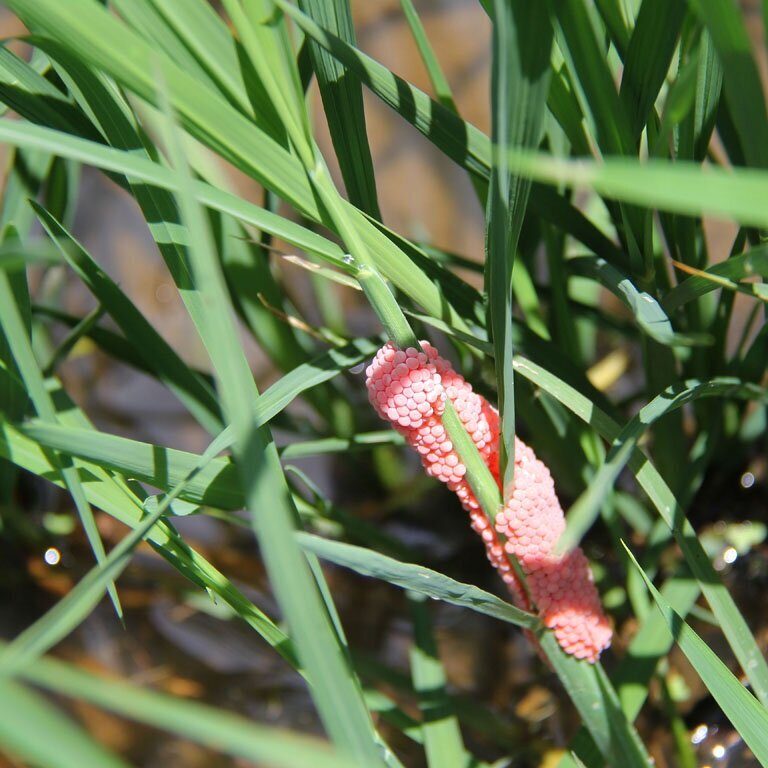
Apple Snails Continue to Be Problem in Southwest Louisiana
A non-native invasive species continues to be a growing problem in Southwest Louisiana.
Apple snails can overpopulate and steal resources away from native species, consuming large quantities of plant materials and damaging important habitats for native fish and wildlife.
Read More
USDA Expands Aquaculture Disaster Assistance To Include Fish Raised For Food
In response to catastrophic aquaculture losses due to major winter storms that hit states along the U.S. Gulf Coast in February, the U.S. Department of Agriculture’s (USDA) Farm Service Agency (FSA) today announced a policy change that makes food fish and other aquatic species eligible for the Emergency Assistance for Livestock, Honey Bees and Farm-raised Fish Program (ELAP). Previously, only farm-raised game and bait fish were eligible for death loss ELAP benefits. Beginning June 1, eligible aquaculture producers can request ELAP assistance for 2021 losses. This policy change is for the 2021 and subsequent program years.
Read More
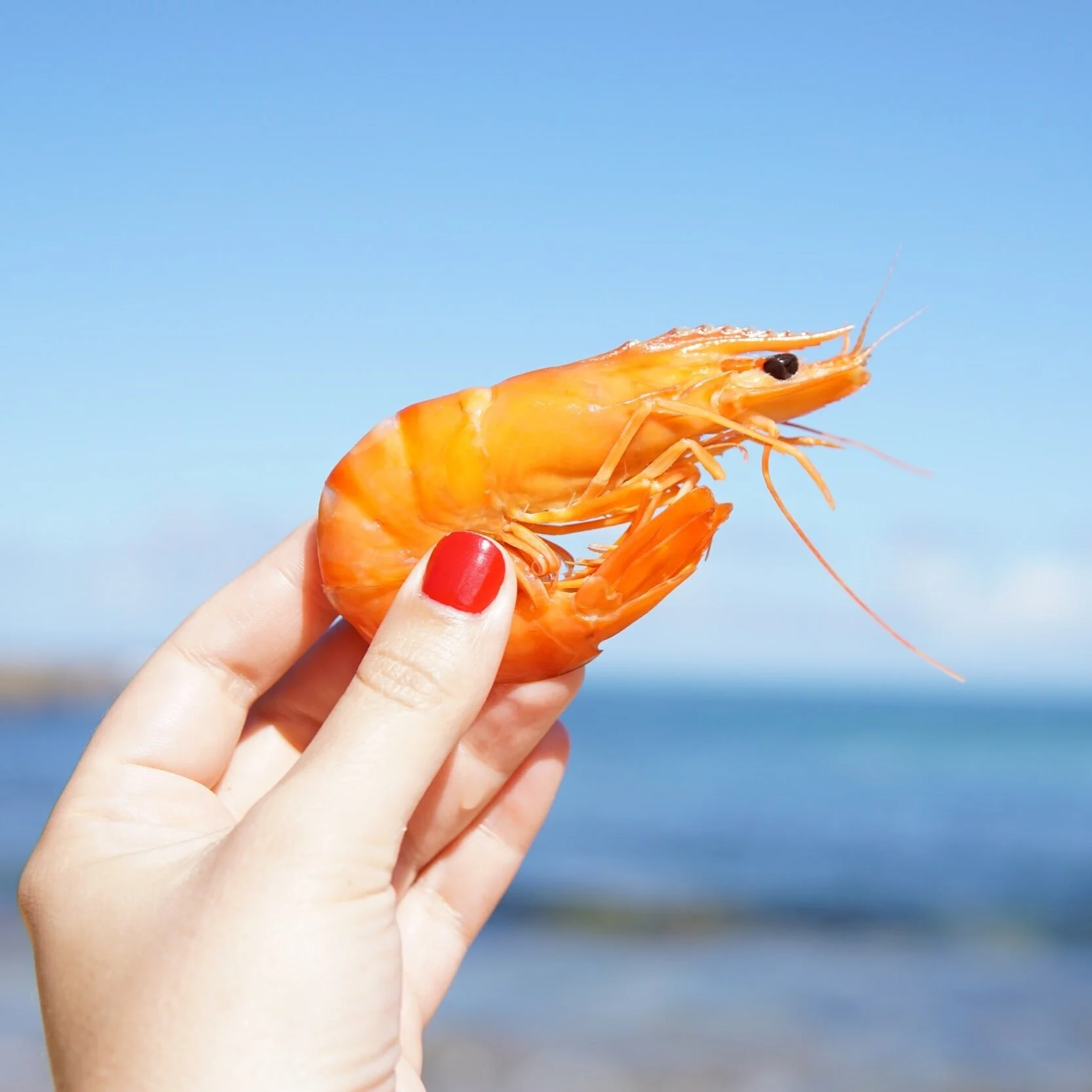
Higgins Announces USDA Purchase of Gulf Shrimp
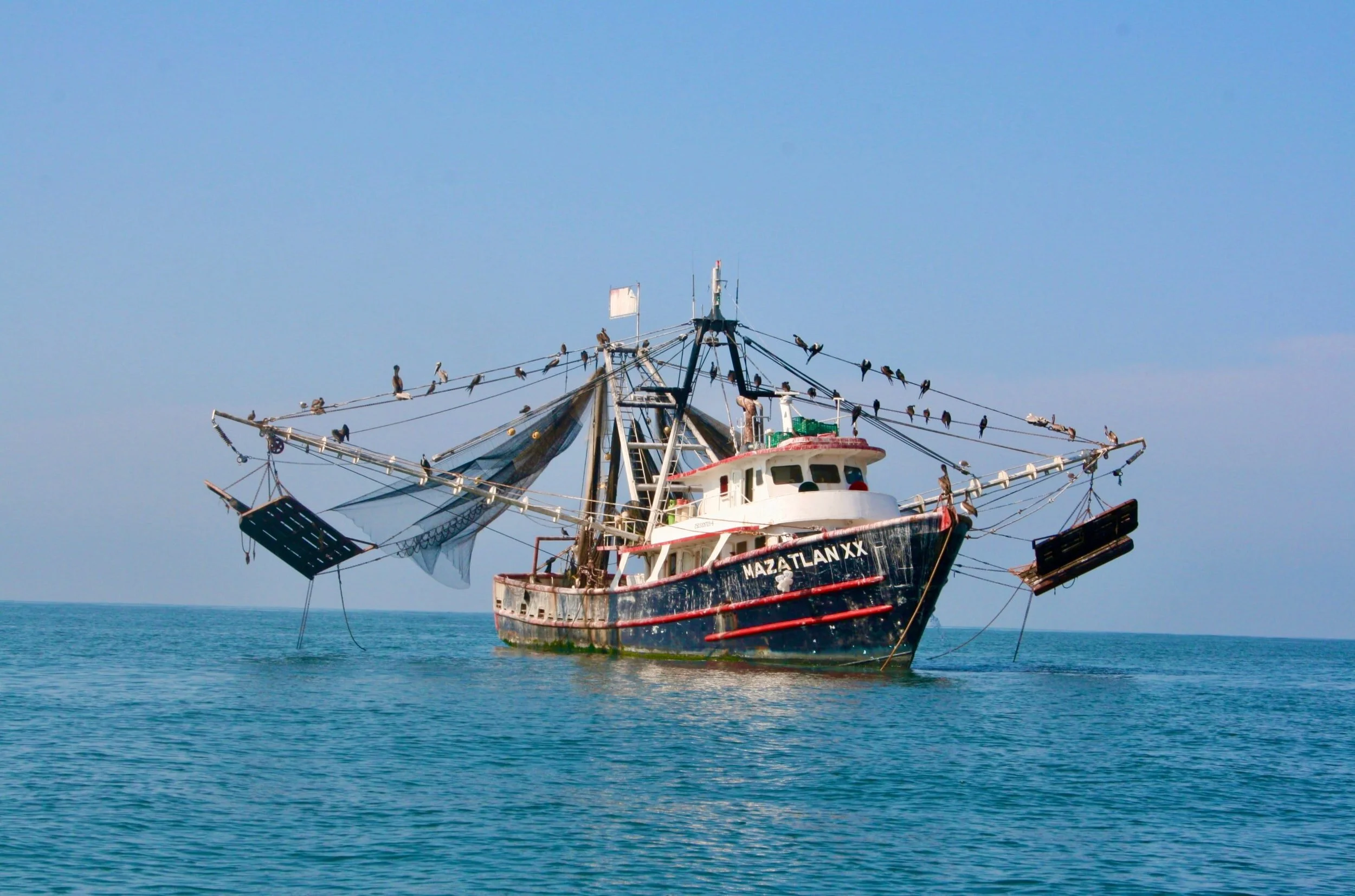
Congressman Clay Higgins announced today that the U.S. Department of Agriculture (USDA) will purchase up to $25 million of Gulf of Mexico and South Atlantic Wild-Caught Shrimp to address food system supply chain disruptions resulting from the COVID-19 pandemic.
Read More
USDA to Purchase Gulf Shrimp, Graves Initiated Deal in April 2020
U.S. Congressman Garret Graves announced that the U.S. Department of Agriculture (USDA) will purchase up to $25 million of Gulf of Mexico and South Atlantic Wild-Caught Shrimp to address the disruptions in the food system supply chain and food insecurity resulting from the COVID-19 pandemic. The Gulf of Mexico and South Atlantic Wild-Caught Shrimp amount is the second highest out of the 13 products purchased.
Read More
Bill Restricting Access to Waterways Concerns Crawfishermen and Fishermen
Crawfishermen and fishermen are concerned about a bill passing through the legislature that will put restrictions on public waterways.
On Wednesday, the bill was presented in the House Natural Resources Committee and passed 9-3.
“If the voters vote in favor of it, it’s going to change the Louisiana constitution, and what it is going to do is it’s going to allow the state to enter into boundary agreements with riparian land owners to put boundaries in the water. Water we are already supposed to have the right of free use to,” President of the Louisiana Crawfish Producers Association Jody Meche said.
Read More
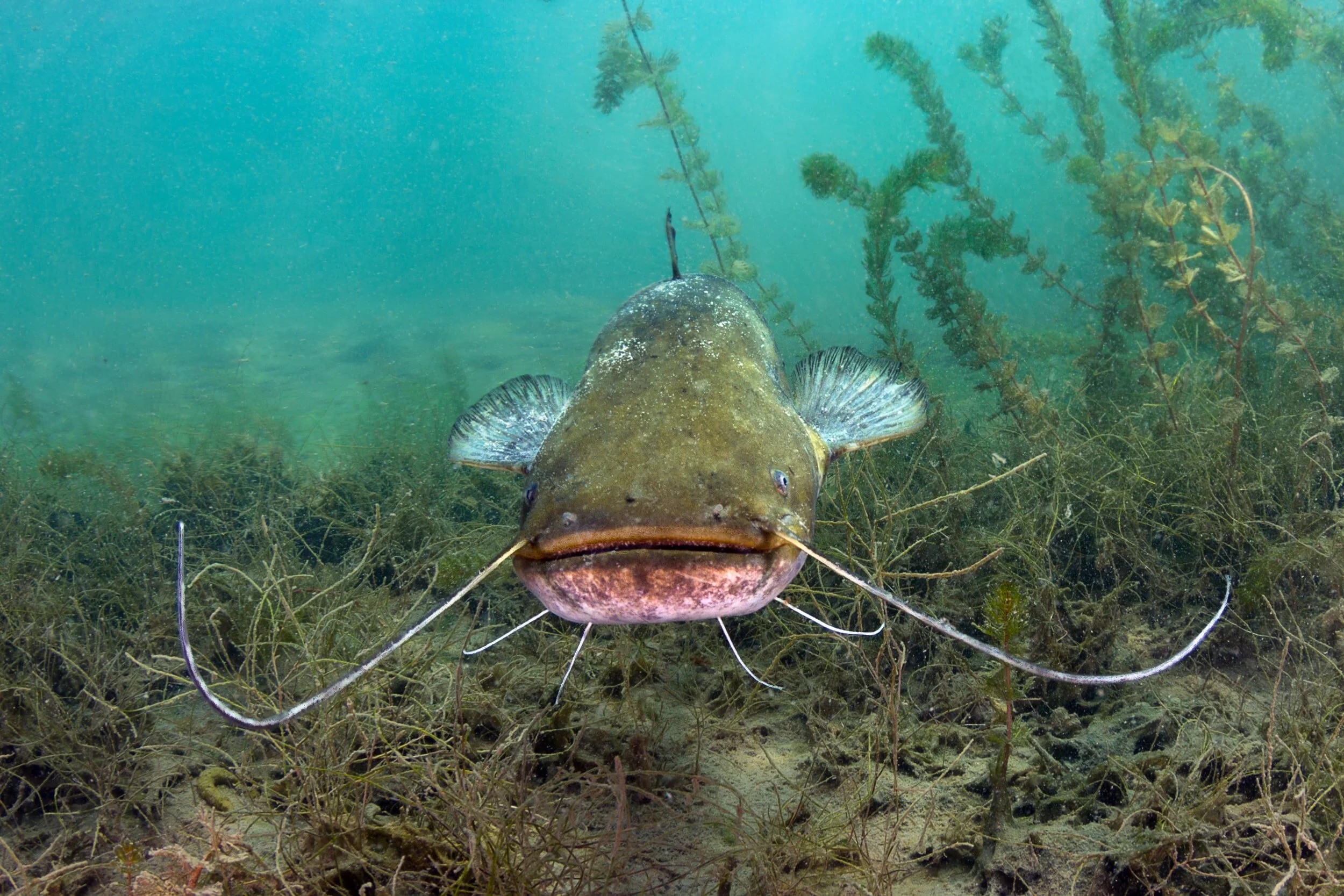
The New South Franklin Catfish Festival Is Coming to Wisner
The South Franklin Catfish Festival is coming to Wisner this Saturday, May 1, 2021. It will offer the community a variety of options. The festival is new to the community of Wisner.
It originated after the original Franklin Catfish Festival was hit by a severe storm, the COVID-19 Pandemic, and a huge financial loss. Officials eventually called it quits in 2020, after serving the Winnsboro community for more than 30 years.
Read More
Invasive Snails Threatening Louisiana's Crawfish Population
The thing that has the potential to wipe out the crawfish industry in Louisiana was once a staple in home aquariums.
The apple snail is an invasive species that has taken over parts of the state. Researchers at the LSU Ag Center have been studying the snail's effects on crawfish farms, and they are worried.
Read More
A Visit to a Crawfish Farm, Moss Bluff Students Get First-Hand Look at Process
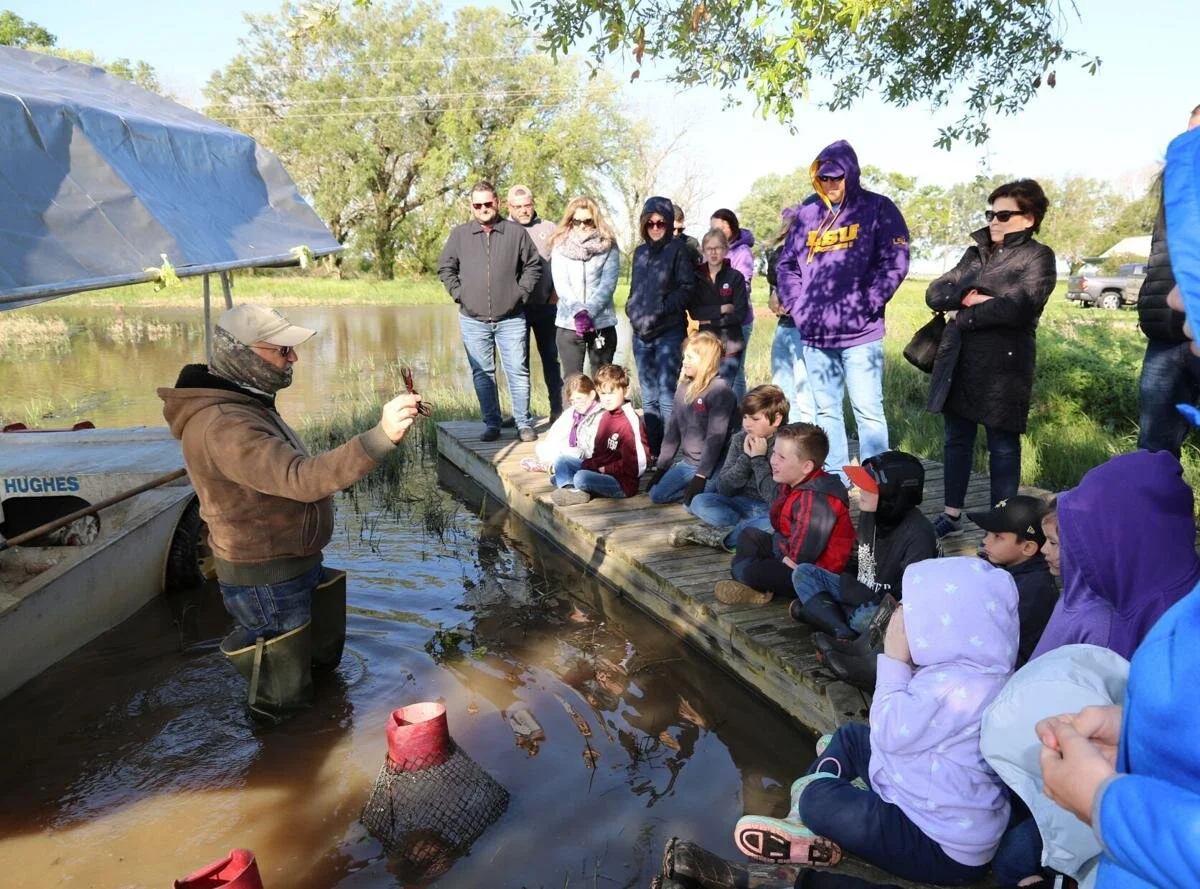
A crawfish farm tour Thursday gave students from First Baptist Christian Academy in Moss Bluff a chance to see first-hand how Louisiana's favorite food goes from the field to the dinner table.
Fifteen second-graders and their parents, along with visitors from Oklahoma and Arkansas, spent the morning touring a local crawfish farm and processing plant as part of an agriculture tour sponsored by the Jeff Davis Parish Tourism Commission. The tours run from March to May, during the crawfish harvest season.
Read More
$12.3 Million Available for Louisiana Fisheries Assistance
Sen. John Kennedy (R-La.), a member of the Senate Appropriations Committee, announced Tuesday $12,339,916 in funding from the National Oceanic and Atmospheric Administration (NOAA) Fisheries to assist fisheries across Louisiana. The funding is provided by the Consolidated Appropriations Act of 2021 and will support activities that have been authorized by the Coronavirus Aid, Relief and Economic Security (CARES) Act.
Read More
Here's How the Harsh Winter Impacts Louisiana's Crawfish Season
The winter brought an ice storm and multiple days of freezing temperatures to south Louisiana, which had an impact on crawfish season across the state.
Prices are a bit higher than they have been in years previous but now, local restaurants and crawfish farmers are finally catching up to speed.
Read More