USDA Offers Disaster Assistance for Producers Facing Inclement Weather
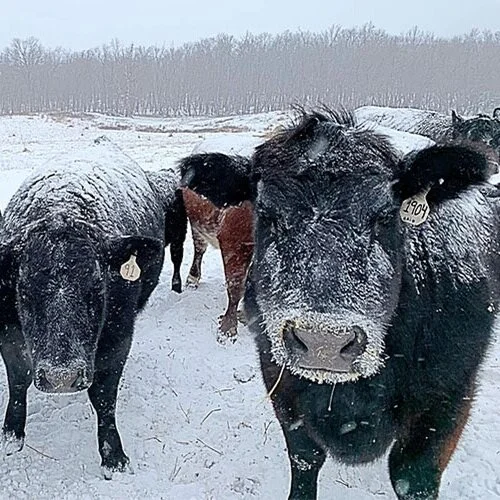
Most of the nation is facing unusually cold weather, as a winter storm moved coast-to-coast over the weekend. Winter storms create significant challenges and often result in catastrophic loss for agricultural producers, especially for those raising livestock, row crops and vulnerable crops like citrus.
Despite every attempt to mitigate risk, your operation may suffer losses. USDA offers several programs to help with recovery.
Read More
Time to Document Ag Losses
Louisiana Commissioner of Agriculture and Forestry (LDAF) Mike Strain, D.V.M., is urging all agricultural producers impacted by the severe winter weather to document losses.
“While no secretarial disaster designation has been declared at this time, an accurate account of any crops and livestock that are lost is vital in the event insurance claims are necessary or federal assistance through the U.S. Department of Agriculture (USDA) is made available,” said Strain.
Read More
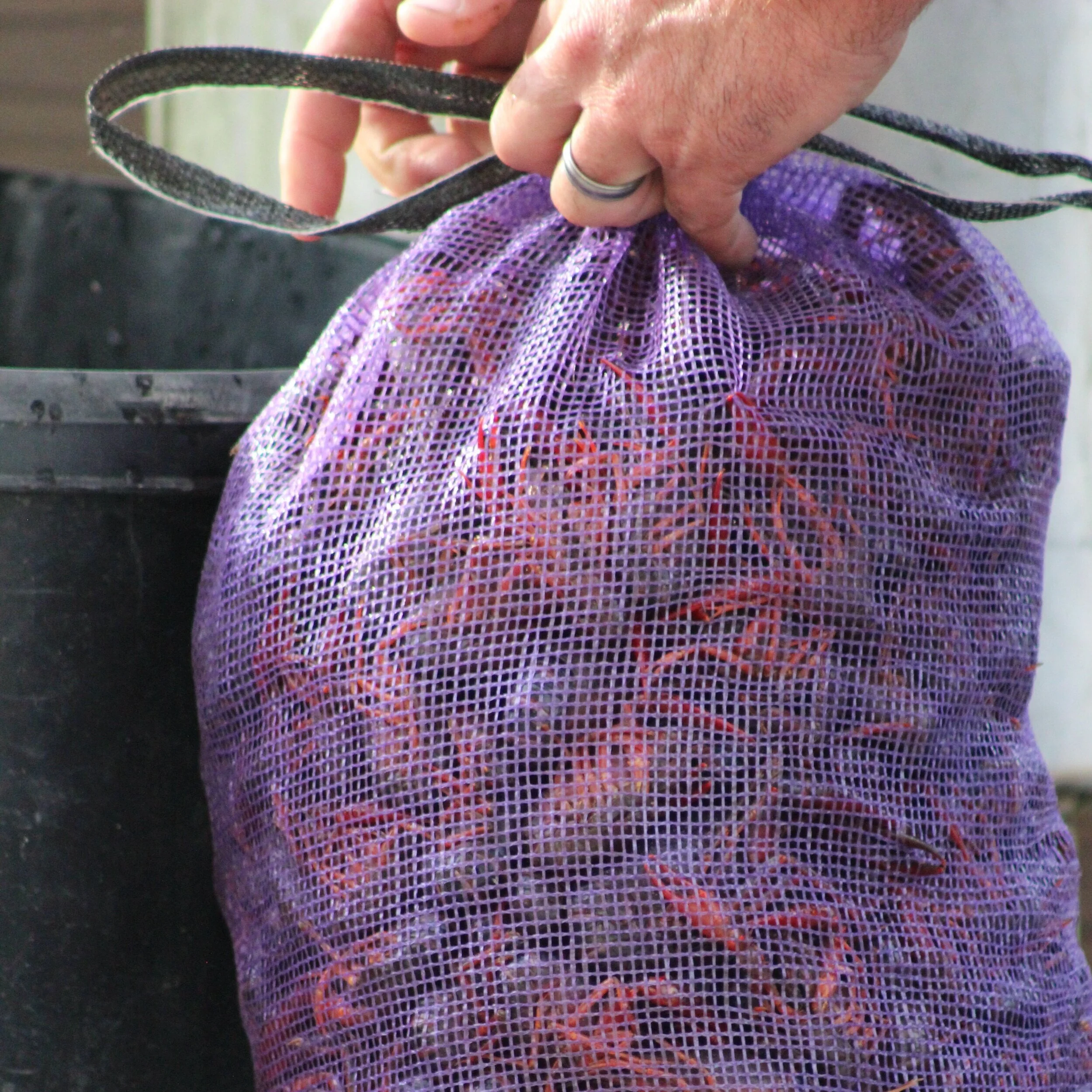
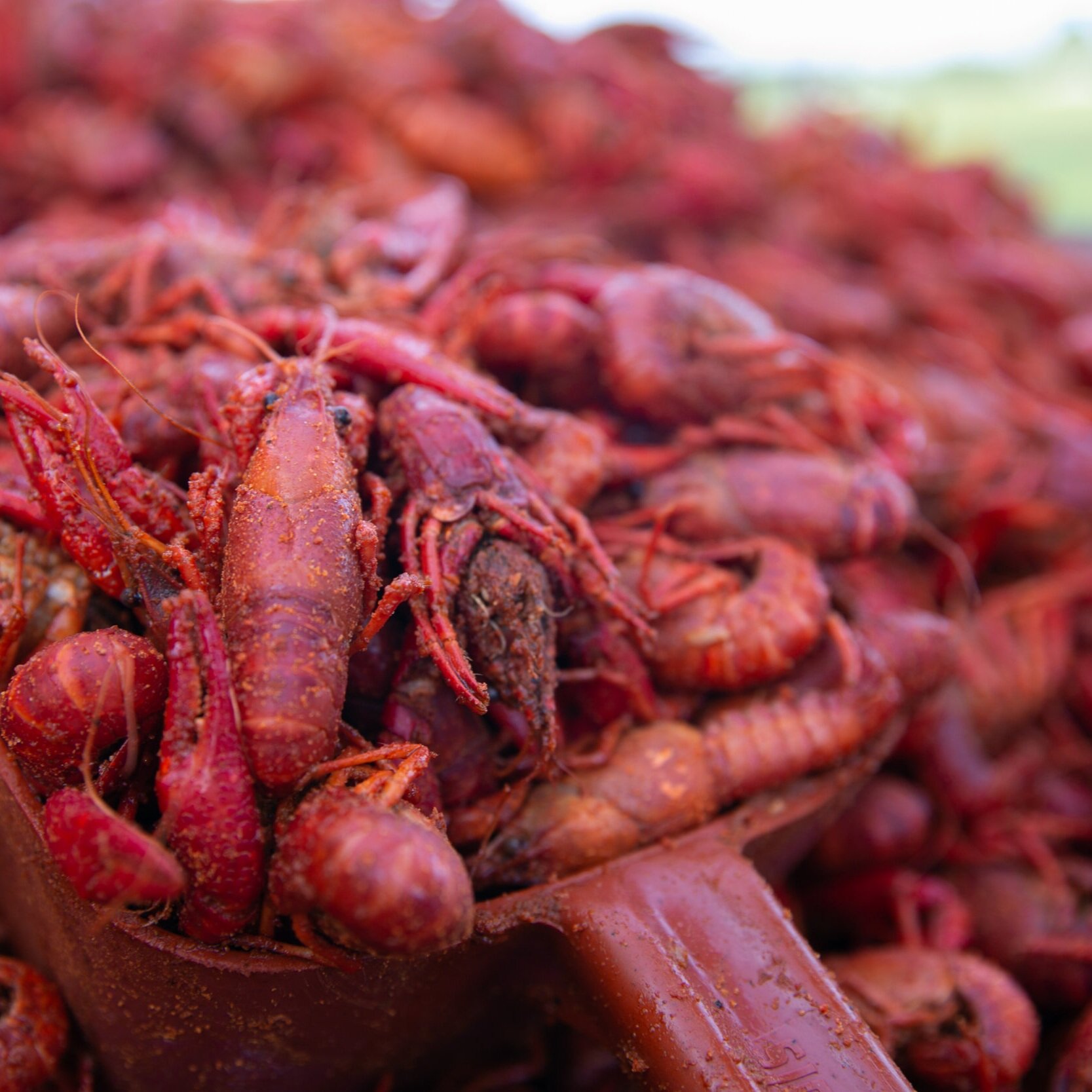
Louisiana Crawfish Producers Hope to Rebound From Hurricanes, Pandemic This Season
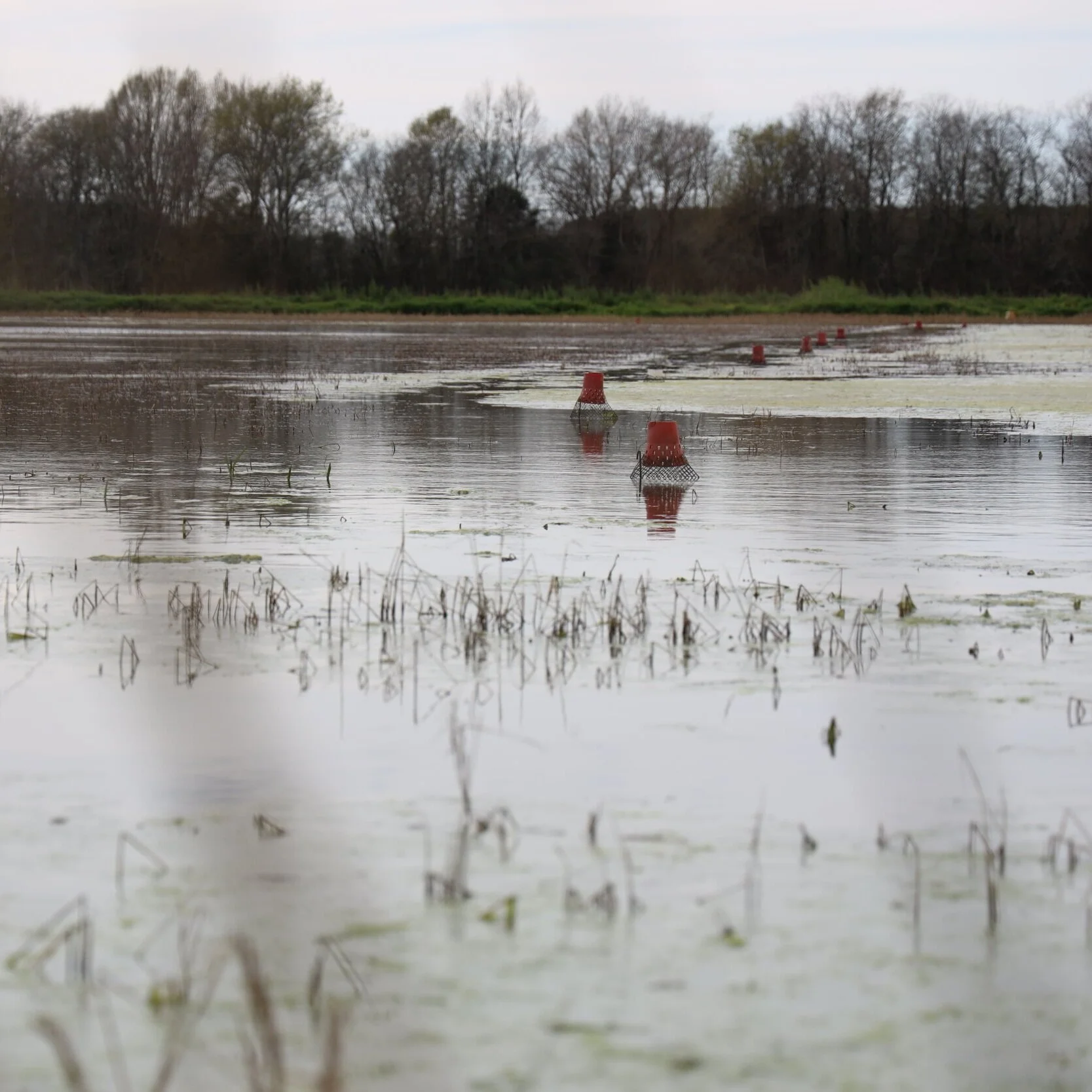
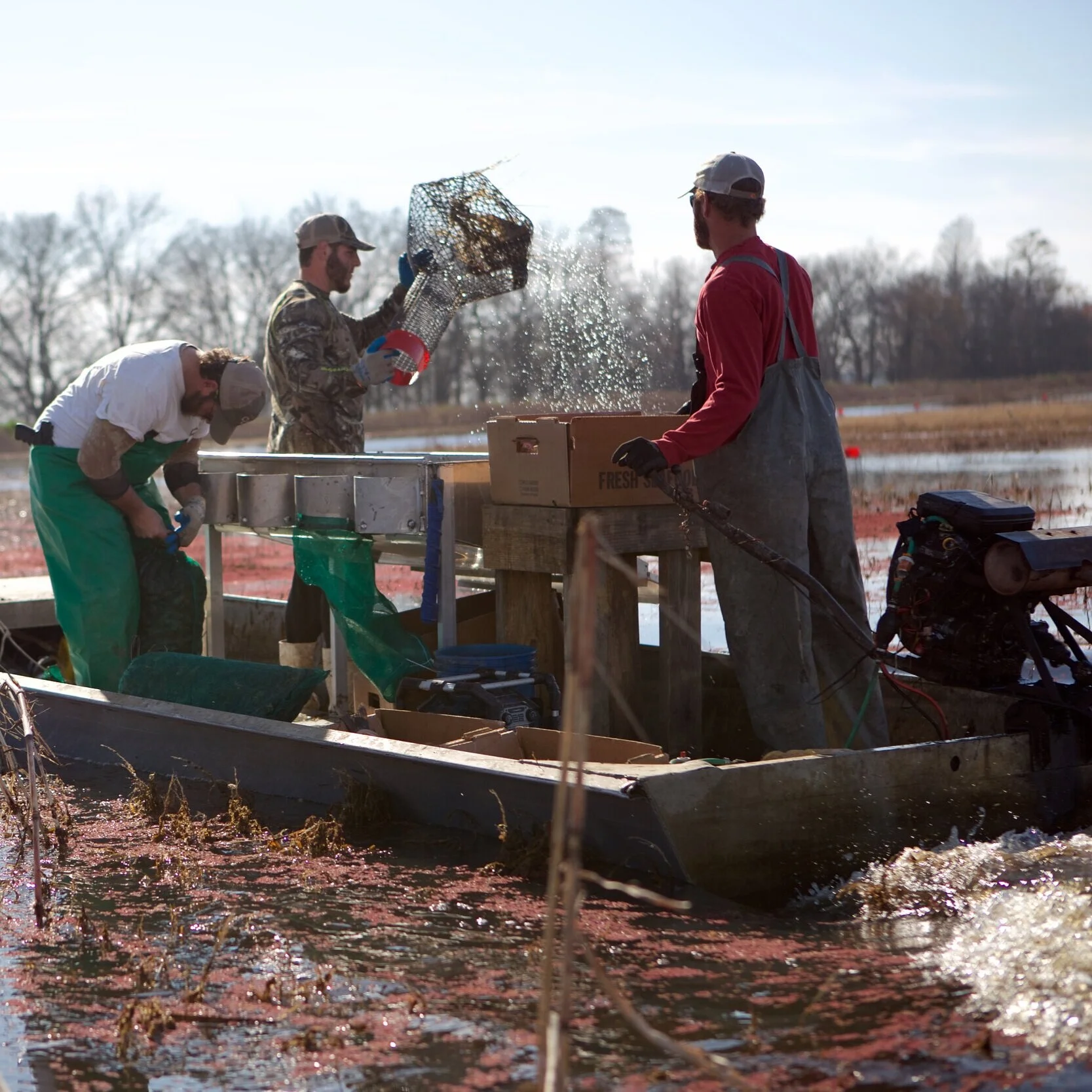
The 2021 Louisiana crawfish season started off on a slow note as producers hoped to rebound from a double whammy caused by coronavirus-induced restaurant closures and last year’s series of hurricanes.
As crews return from the holidays and harvest ramps up, Louisiana State University AgCenter Extension crawfish specialist Mark Shirley said it’s unknown how much impact the previous year’s storms will have on production.
Read More
Thankfully, the Cold Weather Won’t Affect Crawfish Season Too Much
While the cold may be affecting road conditions, water pipes, plants and pets, there’s one thing it’s not affecting - crawfish.
Crawfish season has been off to a pretty good start, and experts are hopeful that will continue, even with the cold weather. Kevin Savoie, Fisheries Agent for the LSU AgCenter explains, crawfish being cold-blooded, take on the temperature of the water.
Read More
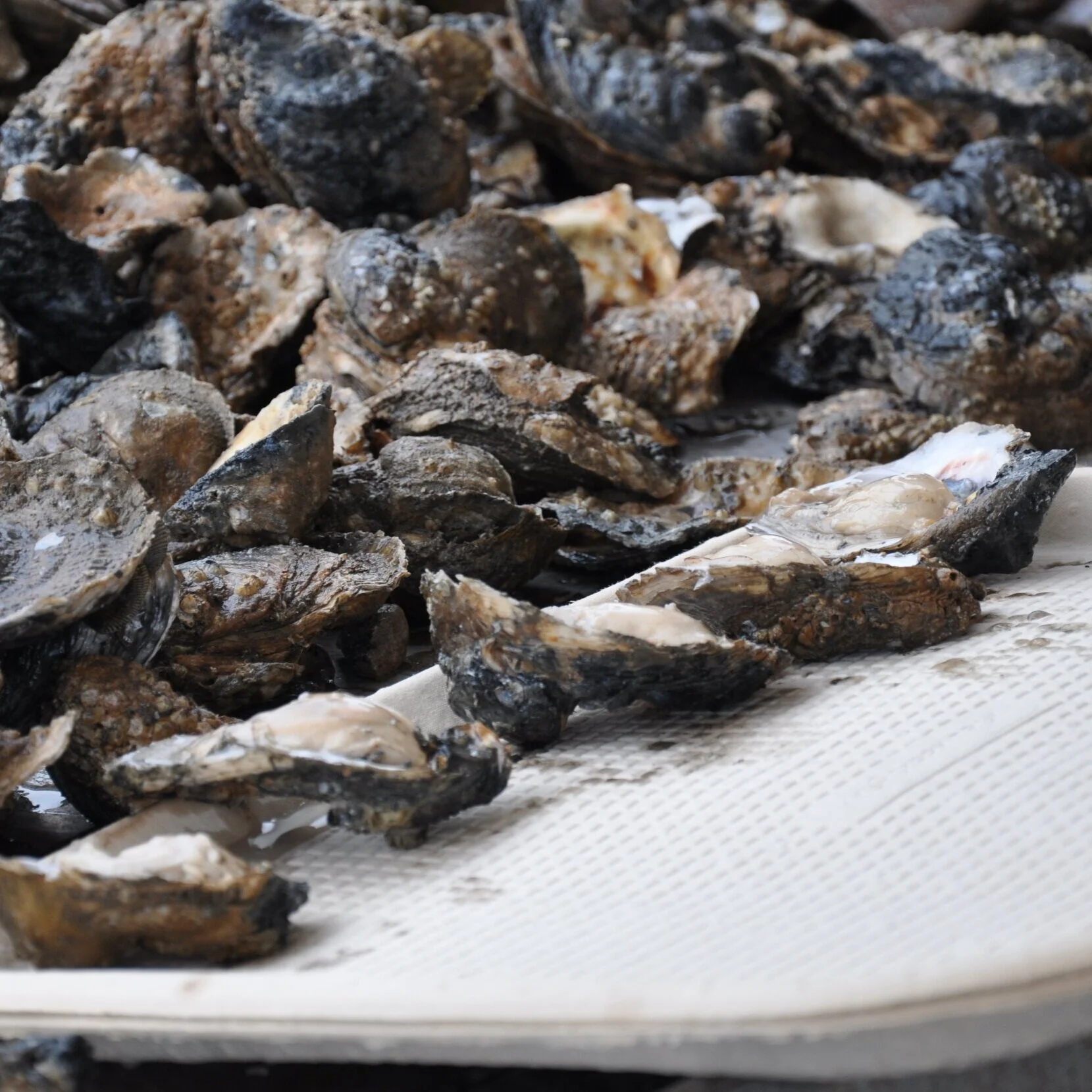
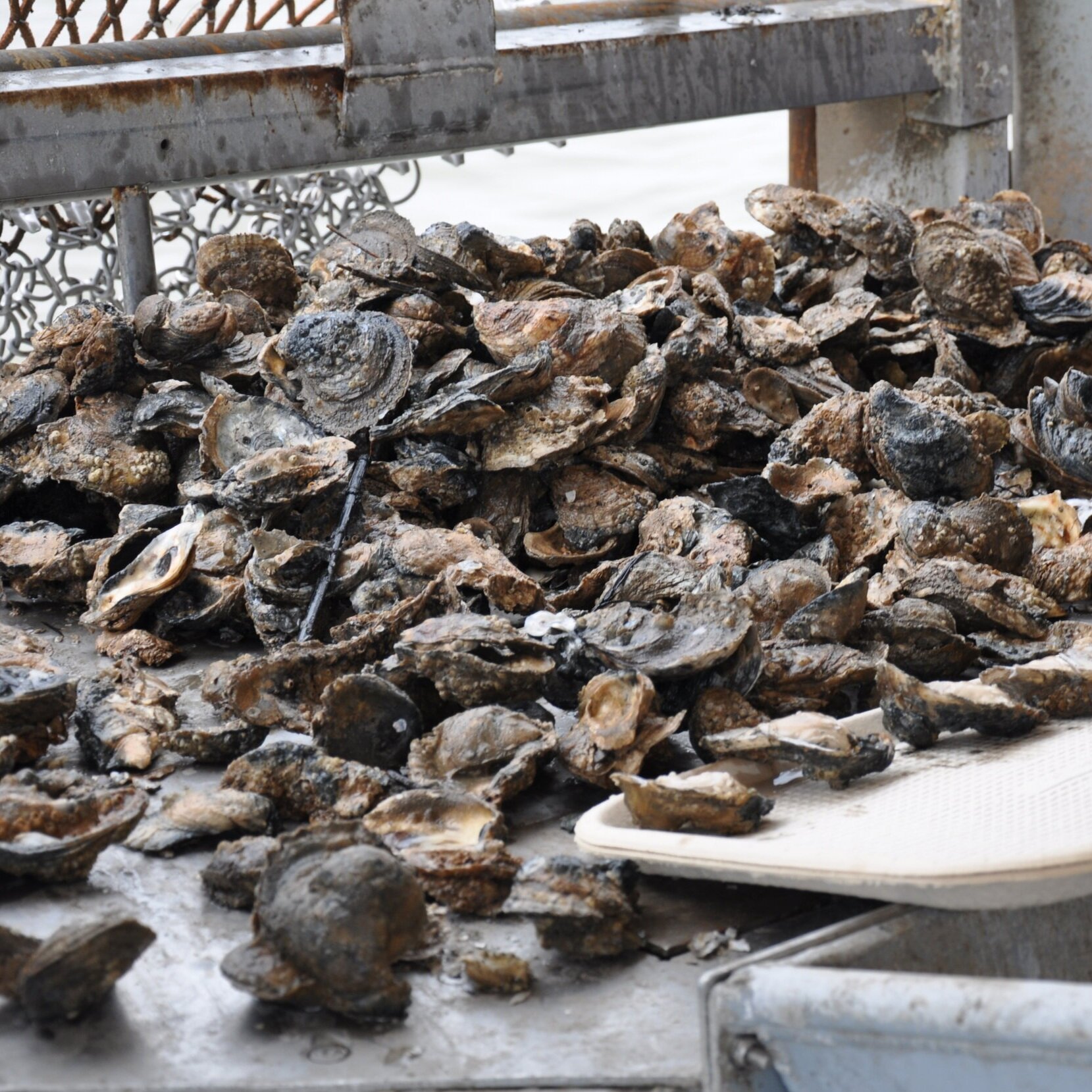
Louisiana Hasn't Approved an Oyster Lease in 19 years; That's About to Change
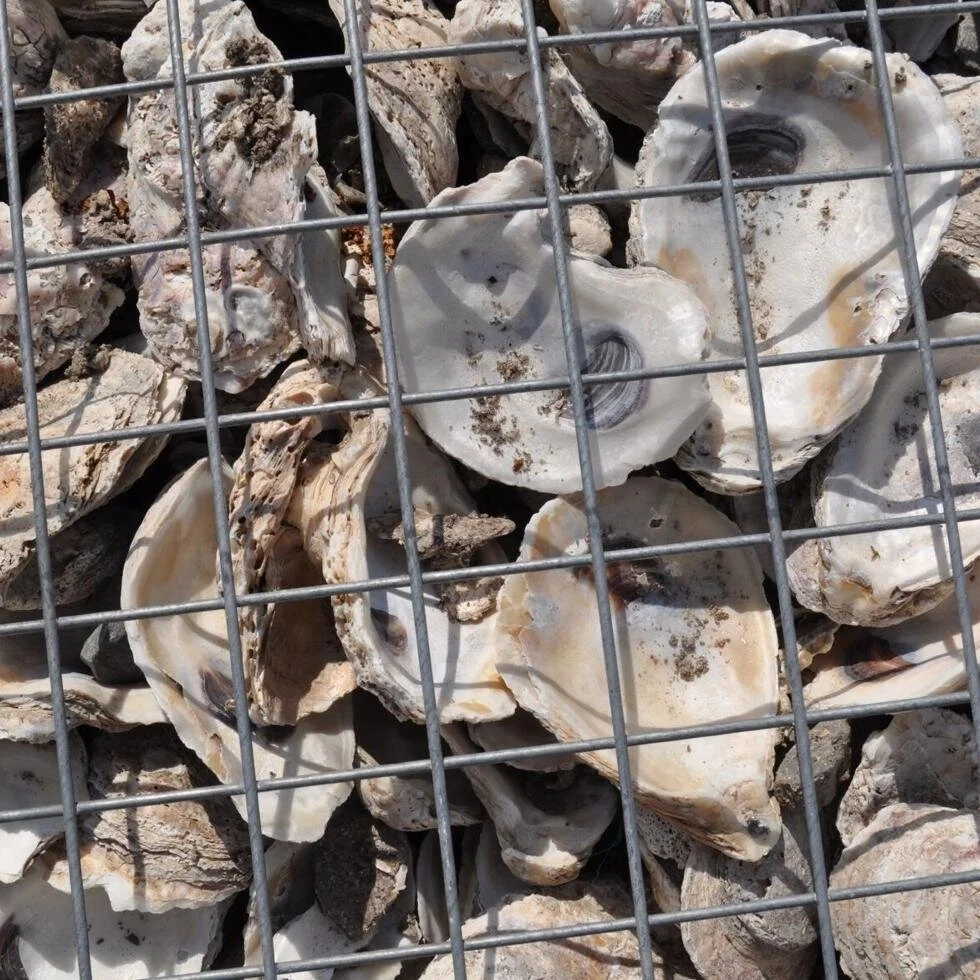
It's been 19 years since Louisiana, stung by a $1 billion court judgment, last opened its water bottoms for new oyster leases. But the state is now lifting its moratorium, raising hopes among oyster harvesters who have endured a series of setbacks from Mother Nature as well as the BP oil disaster.
Read More
Freezing Temperatures May Soon Put Damper on Crawfish Season
The temperatures are dropping just as crawfish season is about to heat up. The current forecast of freezing temperatures in the coming days isn't the best for the crawfish industry. Crawfish farmer David Savoy tells KATC the water in his ponds is below 50 degrees.
Read More
This SoCal Bar Is Flying In Hundreds Of Pounds Of Seafood For A Delicious Mardi Gras Crawfish Boil
Parades, revelry, masks, and food — it’s Mardi Gras, and everyone gets to be a New Orleanian for a day… even in SoCal! And once again, The Other Door bar is going all out for the occasion. This SoCal bar is flying in hundreds of pounds of fresh Louisiana seafood for their special to-go version of a Mardi Gras crawfish boil.
Read More
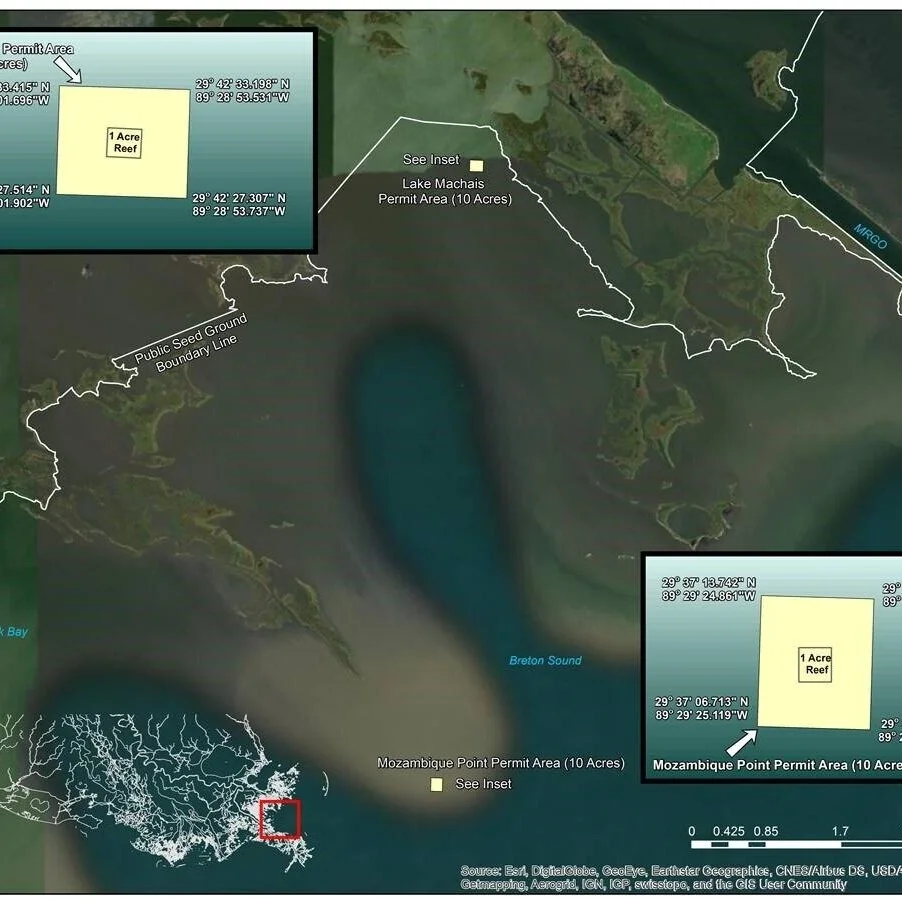
Oyster Harvesting to be Banned on Four New Reefs East of Mississippi River
To increase the number of oysters spawning on public water bottoms, Louisiana plans to forbid harvesting on four artificial reefs east of the Mississippi River in St. Bernard and Plaquemines parishes.
Read More
Crawfish Season Off to a Good Start with Mild Temperatures
Conditions are good for the crawfish season that is about to kick into harvest season.
“It looks like conditions were all pretty good for what looks like a good crawfish season,” said Todd Fontenot, Evangeline Parish county agent.
Read More
LWFC Passes a Notice Of Intent to Restrict All Oyster Harvest On Four Proposed Broodstock Reefs
The Wildlife and Fisheries Commission passed a Notice of Intent (NOI) to add four proposed recreational oyster broodstock reefs to Louisiana Administrative Code (LAC) 76:VII.537, which restricts all oyster harvest on reefs listed under that rule.
Read More
The DESCEND Act of 2020 Will Go into Effect in January 2022
The Direct Enhancement of Snapper Conservation and the Economy through Novel Devices Act of 2020 (DESCEND Act of 2020) was signed into law on January 13, 2021. The new Act will require commercial and recreational vessels (including for-hire) to have a venting tool or descending device rigged and ready to use when fishing for reef fish species in Gulf of Mexico Federal waters.
Read More
LDWF Announces Process to Lift Oyster Moratorium
The Louisiana Department of Wildlife and Fisheries (LDWF) is lifting the long-standing oyster lease moratorium, which has been in effect since 2002.
The moratorium, which halted LDWF’s practice of leasing state-owned water bottoms to private entities for oyster cultivation, was originally instituted by the Louisiana Wildlife and Fisheries Commission at the request of the Department of Natural Resources and the Governor’s Office under former Governor Mike Foster.
Read More
Water's Right in the Basin, so Crawfish are Back
The 2021 Atchafalaya Basin crawfish season is off to an earlier start, while progress is being shown in the pond season.
The storm surge from hurricanes prompted the crawfish to appear, so while crawfish in the Atchafalaya Spillway would appear in late February or early March, they were being caught in December, according to Sidney Michel, owner of D&B Seafood in Morgan City.
Read More
Here's Why Crawfish Prices are So High in Terrebonne and Lafourche
Tim Angelette of Seafood Outlet in Thibodaux says he has never seen crawfish prices this high.
The combination of the late hurricanes devastating the western part of the state – home to lots of crawfish farms – and a few days of temperatures in the 30s has the price of mudbugs locally anywhere from $4 to $4.50 a pound live and $6.50 to $8.50 a pound boiled.
Read More
Massive, Unexplained Bivalve Die-off Sends Many Louisiana Oystermen Back to Square One
Mitch Jurisich, a third-generation oysterman, dropped a long pair of oyster tongs into the Gulf of Mexico and lightly raked the water bottom.
When he brought up his catch — several oysters that he laid along the side of his boat — all but one were dead. The more resilient hooked mussels, typically found clustered along the area's oyster reefs, had suffered the same fate.
Read More